
Story Levi Rodriguez | Human Ahmad Joudeh | Damascus, Syria
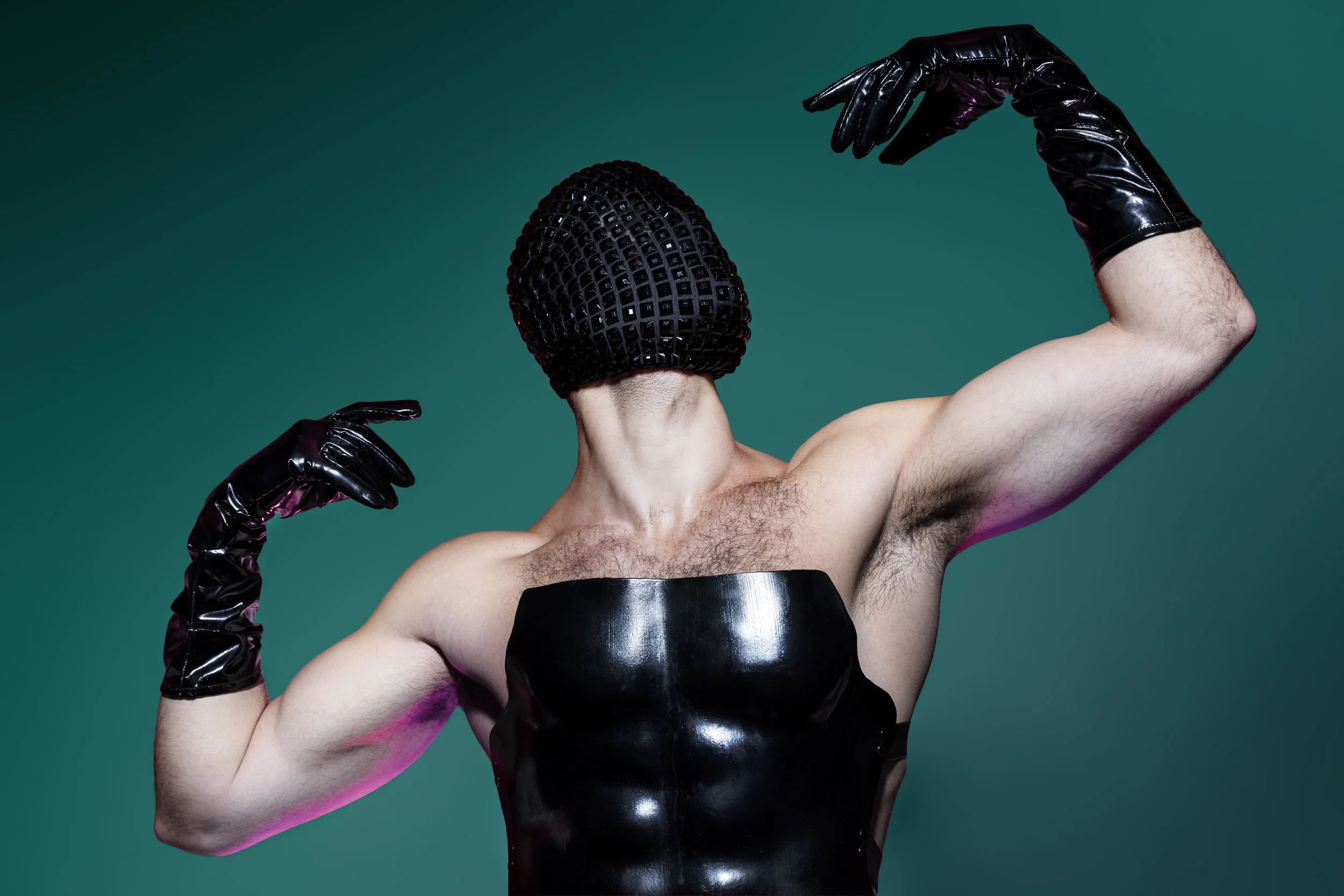
Mask, Gloves & Breastplate: Pythia Chiara @pythiachiara
[ EN ]Before Ahmad Joudeh became an internationally recognized dancer, choreographer, teacher, and humanitarian voice, dance was already something more than movement. It was instinct. It was prayer. It was a way of reaching beyond the limits of the world around him.Born stateless in Yarmouk, a Palestinian refugee camp in Damascus, Joudeh discovered ballet at eight years old and began shaping his body toward a future that was never guaranteed. By sixteen, he had joined Enana Dance Theater. Later, he graduated from the Higher Institute of Dramatic Arts in Damascus. But his path was never only about training. It unfolded against systems of exclusion, war, displacement, and survival.“Even as a child in Syria, I felt something sacred in it,” he says of dance. “Something bigger than fear, bigger than rules.” He remembers dancing among the ruins of Palmyra, imagining movement as a bridge to history, spirit, and freedom. What began as fascination became resistance the moment he understood that others wanted to take it away. “When your existence is questioned, your passion becomes resistance.”“When your existence is questioned, your passion becomes resistance.”
That resistance would become inseparable from his now-iconic tattoo: “Dance or Die,” inked across the back of his neck during the Syrian civil war. At the time, the phrase was literal. Dance was the thing keeping him alive emotionally, spiritually, and physically. Today, its meaning has expanded. “It means choosing truth over fear. Choosing humanity over silence. Choosing art over hatred,” he says. “Dance saved my life, but now it also gives my life meaning.”Joudeh’s story reached the world through the Emmy-winning documentary Dance or Die, eventually leading him to the Netherlands and the Dutch National Ballet. That transition transformed not only his career, but his understanding of freedom. In Syria, freedom was survival. In Europe, he discovered that freedom could also mean expression, vulnerability, and dignity. His body, once shaped by fear and tension, began to learn trust again.
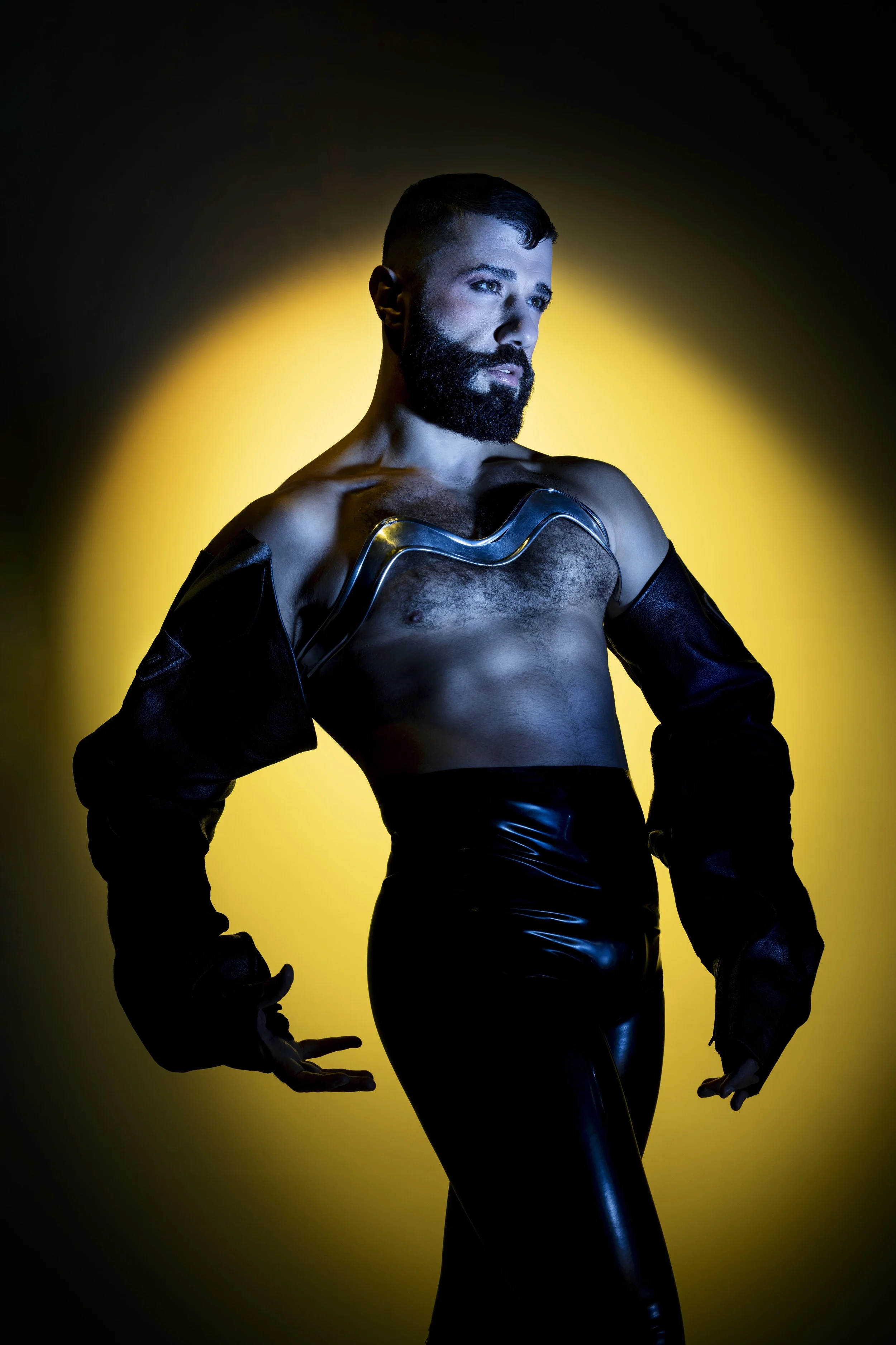
Breastplate & Gloves: Pythia Chiara @pythiachiara | Pants: Rubber Dutch @rubberdutch
Still, entering ballet meant entering a world often defined by rigidity, tradition, and exclusion. Joudeh did not come to that world empty-handed. He arrived carrying Arabic roots, spirituality, scars, queerness, and history. For a long time, he felt like an outsider. Eventually, he understood that difference was not something to overcome, but something to protect. “I don’t want to fit perfectly into ballet,” he says. “I want ballet to expand enough to hold stories like mine too.”That expansion lives in the tension of his performance. Ballet demands control, but Joudeh is interested in what happens when control makes room for surrender. “I try to stand exactly in that space where the body is precise, but the soul is wild,” he says. “That tension is where honesty lives.”On stage, his body becomes both an archive and an instrument. Every scar, breath, and muscle carries memory. He does not try to hide that history inside the work. He allows it to move with him. Through dance, he can hold contradictions language often fails to contain: grief and joy, longing and rage, spirituality and rebellion. A trembling body, he believes, can sometimes say more than any speech.“Dance saved my life, but now it also gives my life meaning.”
For Joudeh, art and activism are inseparable. To exist openly is already political in many parts of the world. Visibility, then, becomes responsibility. If his work can create empathy, challenge prejudice, or make someone feel less alone, it belongs to something larger than performance.Queer excellence, to him, is not simply achievement. It is the courage to exist fully in a world that asks you to shrink. It is survival with dignity. It is turning pain, rejection, and displacement into beauty and strength.Looking forward, Joudeh is still building bridges: between ballet and Sufi traditions, Middle Eastern heritage and contemporary storytelling, ritual and exile, belonging and becoming. His goal is work that feels timeless and deeply human—movement where anyone, from any background, can recognize a piece of themselves inside it.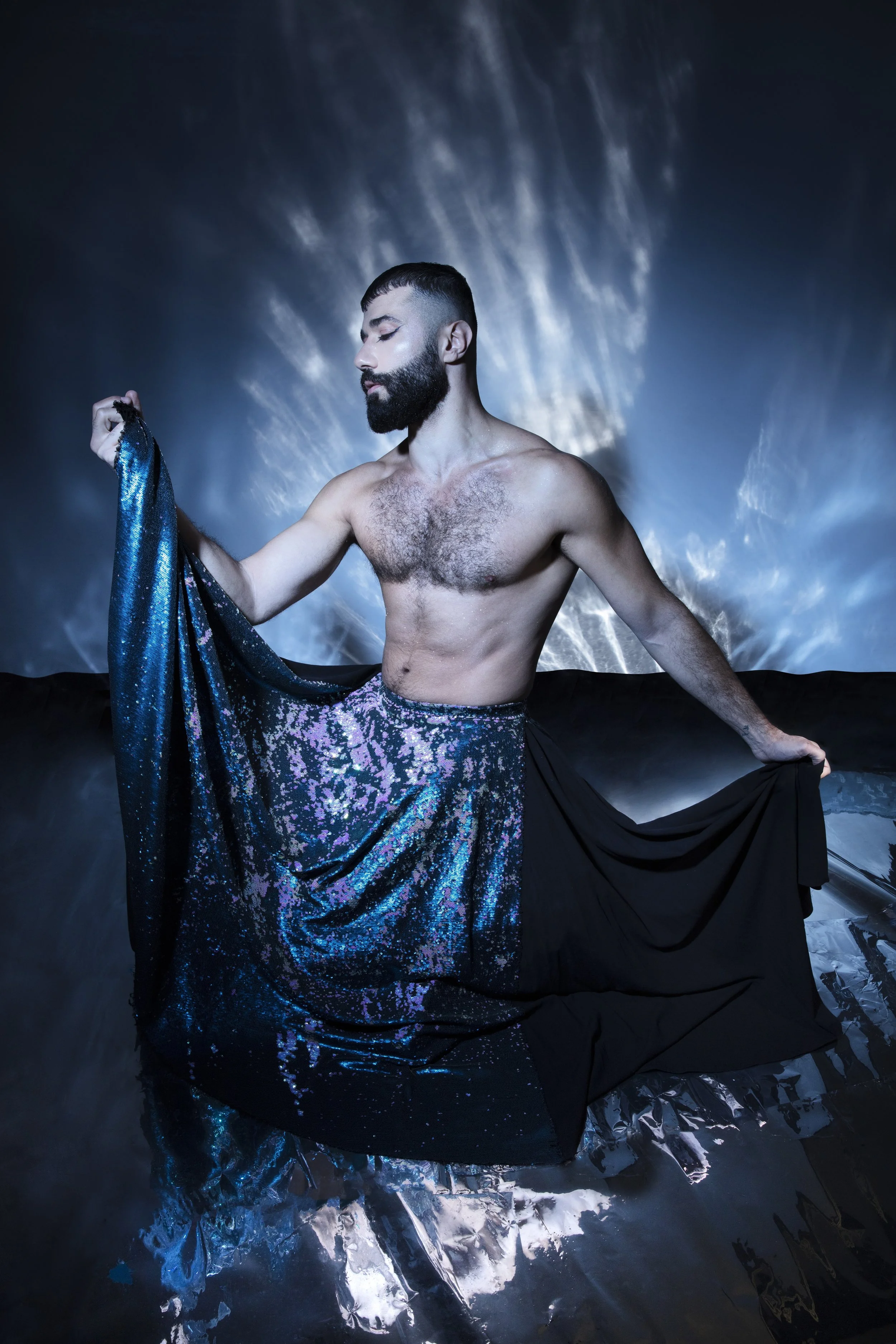
Skirt: Ahmad Joudeh own
[ ع ]قبل أن يصبح أحمد جودة مشهورًا عالميًا كراقص، مخرج رقص، معلم، وصوت إنساني، كان الرقص بالنسبة له بالفعل أكثر من مجرد حركة. كان غريزة. كان صلاة. وكانت وسيلته لتجاوز حدود العالم من حوله.وُلد جودة بلا جنسية في مخيم اليرموك للاجئين الفلسطينيين في دمشق، حيث اكتشف الباليه في عمر الثامنة، وبدأ يشكّل جسده نحو مستقبل غير مضمون. بحلول سن السادسة عشرة، انضم إلى مسرح إنانا للرقص. لاحقًا، تخرّج من المعهد العالي للفنون المسرحية في دمشق. لكن مسيرته لم تكن يومًا فقط حول التدريب؛ بل تفتّحت في وجه أنظمة الإقصاء، الحرب، النزوح، والبقاء."حتى وأنا طفل في سوريا، كنت أشعر بشيء مقدس في الرقص. شيء أكبر من الخوف، أكبر من الأنظمة والقوانين". يتذكر كيف كان يرقص بين أنقاض تدمر الأثرية، متخيلاً الحركة جسراً نحو التاريخ، الروح، والحرية. ما بدأ كافتتان أصبح مقاومة حين فهم أن آخرين أرادوا انتزاعه. "عندما يُسائلون وجودك، يصبح شغفك مقاومة".تلك المقاومة أصبحت غير قابلة للفصل عن وشمه الأيقوني: "ارقص أو مت"، الذي وُشم خلف عنقه خلال الحرب الأهلية السورية. في ذلك الوقت، كانت العبارة حرفية. الرقص كان ما يبقيه حيًا عاطفيًا، روحيًا، وجسديًا. أما اليوم، فقد توسع معناه. "يعني اختيار الحقيقة بدل الخوف. اختيار الإنسانية بدل الصمت. اختيار الفن بدل الكراهية"، يقول: "الرقص أنقذ حياتي، لكنه اليوم يمنحها معنى".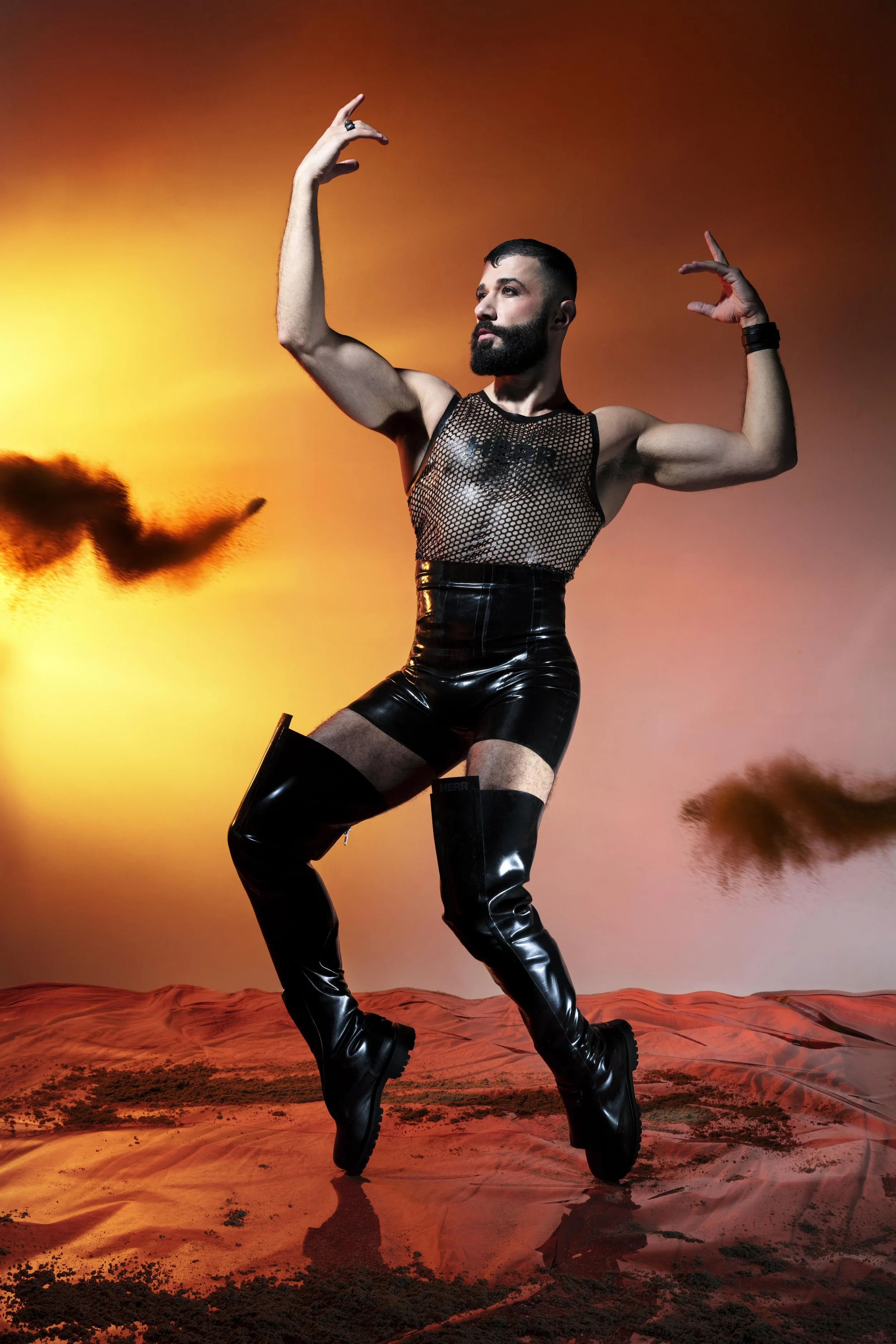
Boots, Top & Shorts: Herr Amsterdam @HERR.amsterdam | Bracelet: Pythia Chiara @pythiachiara
وصلت قصة جودة إلى العالم من خلال الفيلم الوثائقي الحائز على جائزة إيمي "ارقص أو مت"، مما قاده في نهاية المطاف إلى هولندا والباليه الوطني الهولندي. ذلك الانتقال غيّر ليس فقط مسيرته المهنية، بل فهمه للحرية. في سوريا، كانت الحرية تعني النجاة. في أوروبا، اكتشف أن الحرية يمكن أن تعني أيضاً التعبير، والانكشاف العاطفي، والكرامة. جسده، الذي كان مشكلاً بالخوف والتوتر، بدأ يتعلم الثقة من جديد.ومع ذلك، فإن دخول عالم الباليه كان يعني دخول عالم غالباً ما يتسم بالهشاشة، والتقليدية، والاستبعاد. لم يأتِ جودة إلى ذلك العالم خالي اليدين؛ بل وصل محملاً بجذور عربية، وروحانية، وندوب، وتاريخ. لفترة طويلة، شعر كأنه غريب. وفي النهاية، فهم أن الاختلاف ليس شيئاً يجب التغلب عليه، بل شيئاً يجب حمايته. "أنا لا أريد أن أنسجم تماماً مع الباليه"، يقول: "أريد للباليه أن يتّسع بما يكفي ليحتضن قصصاً مثل قصتي أيضاً".هذا التوسّع يعيش في توتّر أدائه. فالباليه يتطلب سيطرة، لكن جودة مهتم بما يحدث عندما تتيح السيطرة مجالاً للاستسلام. "أحاول أن أقف بالضبط في ذلك المكان حيث يكون الجسم دقيقاً، لكن الروح بريّة"، يقول: "ذلك التوتّر هو المكان الذي يعيش فيه الصدق"."عندما يُسائلون وجودك، يصبح شغفك مقاومة".
على المسرح، يصبح جسده أرشيفاً وأداة في آن واحد. كل ندبة، و كل نفس، و كل عضلة تحمل ذاكرة. هو لا يحاول أن يخفي ذلك التاريخ داخل العمل، بل يسمح له أن يتحرك معه. من خلال الرقص، يستطيع أن يحمل تناقضات غالباً ما تفشل اللغة في احتوائها: الحزن والفرح، الشوق والغضب، الروحانية والتمرد. يؤمن بأن جسداً مرتعشاً يمكن أن يقول أحياناً أكثر من أي خطاب.بالنسبة لجودة، الفن والعمل الإنساني لا ينفصلان. أن تتواجد بشكل علني هو بالفعل أمر سياسي في كثير من أنحاء العالم. وبالتالي، تصبح المرئية مسؤولية. إذا كان عمله يمكن أن يخلق التعاطف، ويتحدى التحيز، أو يجعل شخصاً ما يشعر بأقل وحدة، فإن هذا العمل ينتمي إلى شيء أكبر من الأداء فقط.التميز الكويري، بالنسبة له، ليس مجرد إنجاز، بل هو شجاعة الوجود بالكامل في عالم يطلب منك أن تتقلص. إنه البقاء بكرامة. إنه تحويل الألم، والرفض، والنزوح إلى جمال وقوة. نظراً إلى المستقبل، لا يزال جودة يبني جسوراً: بين الباليه وتقاليد الصوفية، والتراث الشرق الأوسطي والسرد المعاصر، والطقوس والنفي، والانتماء والتحول. هدفه هو العمل الذي يشعر بأنه خالد في الزمان وإنساني بعمق؛ حركة يمكن لأي شخص، من أي خلفية، أن يتعرف على جزء من نفسه داخلها.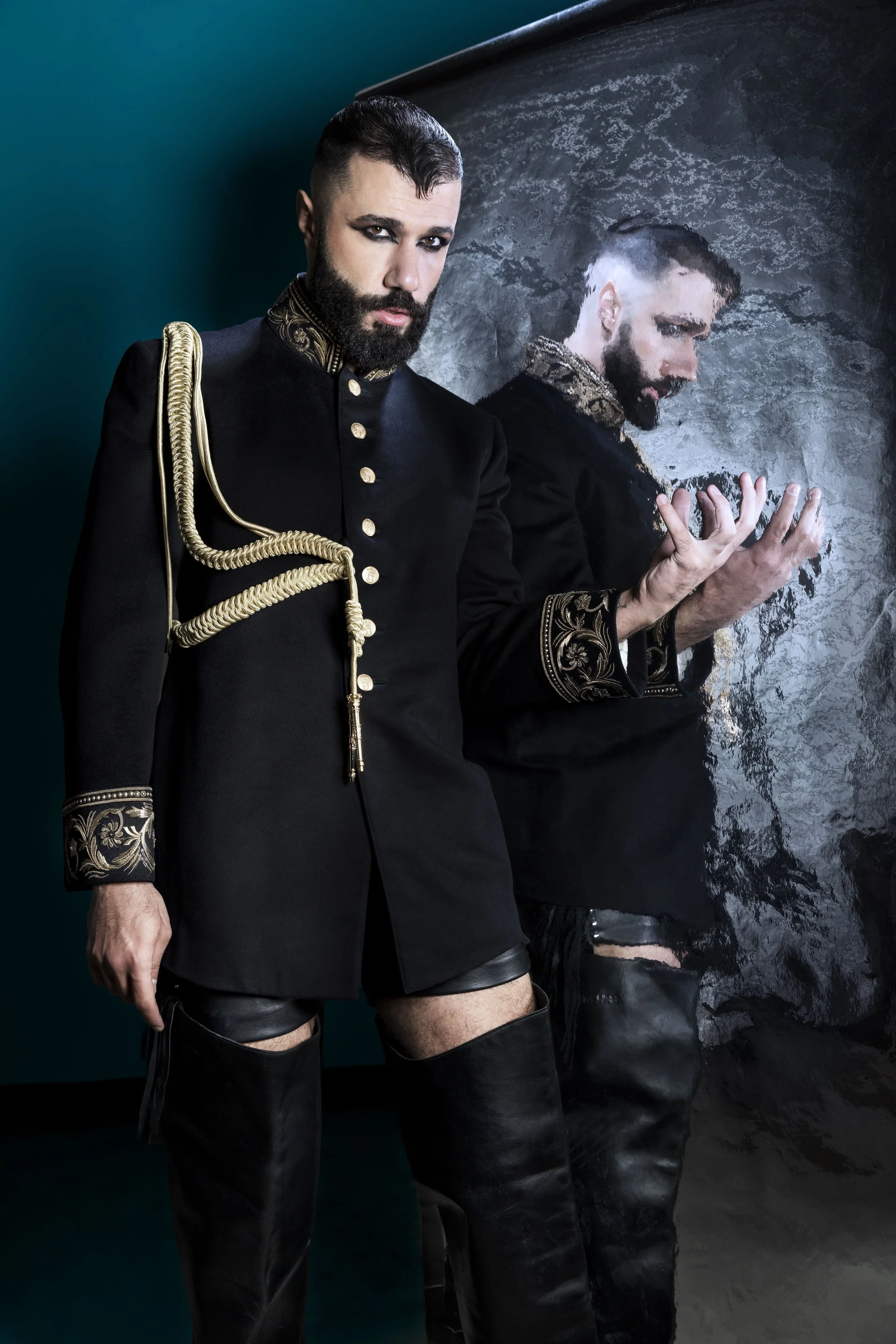
Jacket: Uniformverhuur Nederland @uniformverhuur_nederland | Short: Mr Riegilio @mr_riegillio | Boots: Balenciaga @balenciaga
".الرقص أنقذ حياتي، لكنه اليوم يمنحها معنى"
Credits
Story: Levi Rodriguez @itslikethejeans Human: Ahmad Joudeh @ahmadjoudehofficialPhoto and Concept: Studio Rik Versteeg @studiorikversteegStyling: Pythia Chiara @pythiachiaraMake-up & Hair: Afif Shafit @lickbylickaPhotography Assistant: Luca van Ruiten @lucavanruiten_photographyStyling Assistant: Joost GimbelArabic Translation: Ray Seferian @theuprootedverse