
Precision Without Permission
Human: Aya Sato | Tokyo, Japan
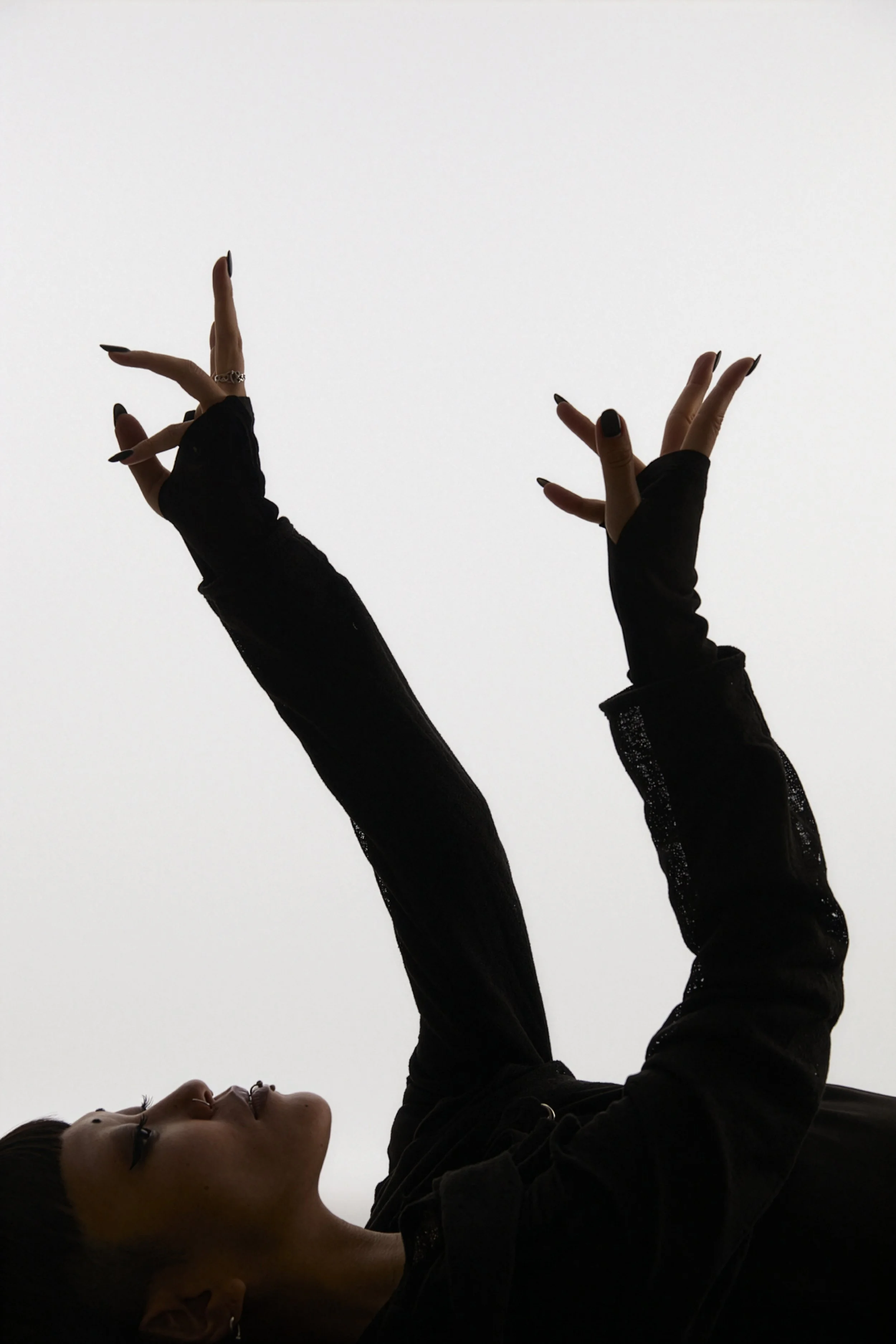
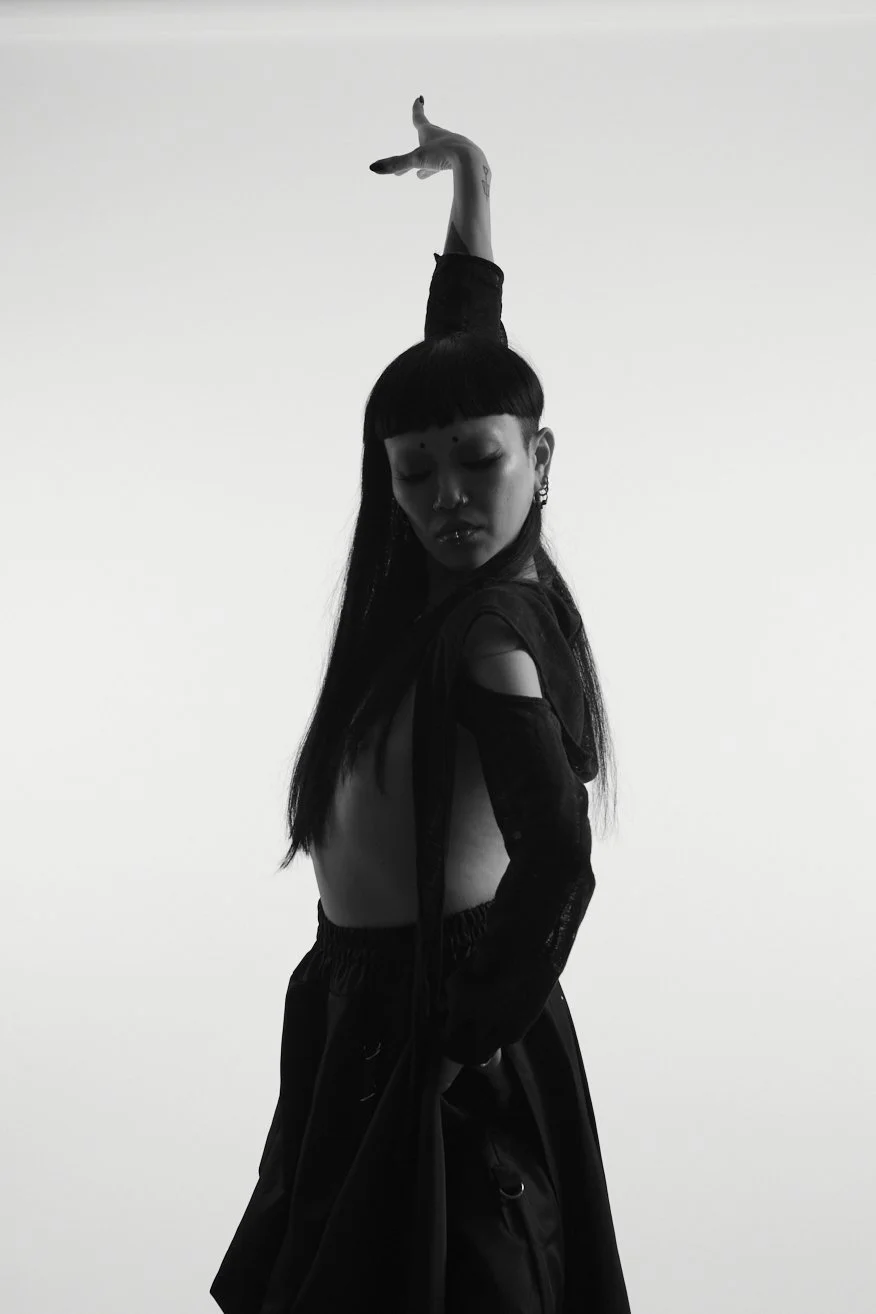
There’s a distinct stillness at the center of Aya Sato’s work. Not emptiness—control. The kind of control that comes from knowing exactly what belongs and, more importantly, what doesn’t. Their movement doesn’t unfold. It arrives. Fully formed, deliberate, and exact. Every gesture feels placed rather than performed, as if nothing exists unless it has been consciously decided.
[ EN ]That clarity isn’t aesthetic. It’s structural.
Aya builds their work through reduction. Instead of layering ideas or references, they remove. Cuts. Refines. What remains is not minimal for the sake of style, but distilled to the point where nothing can hide behind excess. The result is a language that feels sharp, almost surgical—movement stripped to its most essential form, where precision becomes the only option.“Everything is controlled and by design,” they say. That level of authorship carries beyond choreography into how their work is read. Aya is often placed into categories—traditional and contemporary, masculine and feminine, familiar and otherworldly—but the work itself resists settling into any of them. Not through disruption, but through indifference.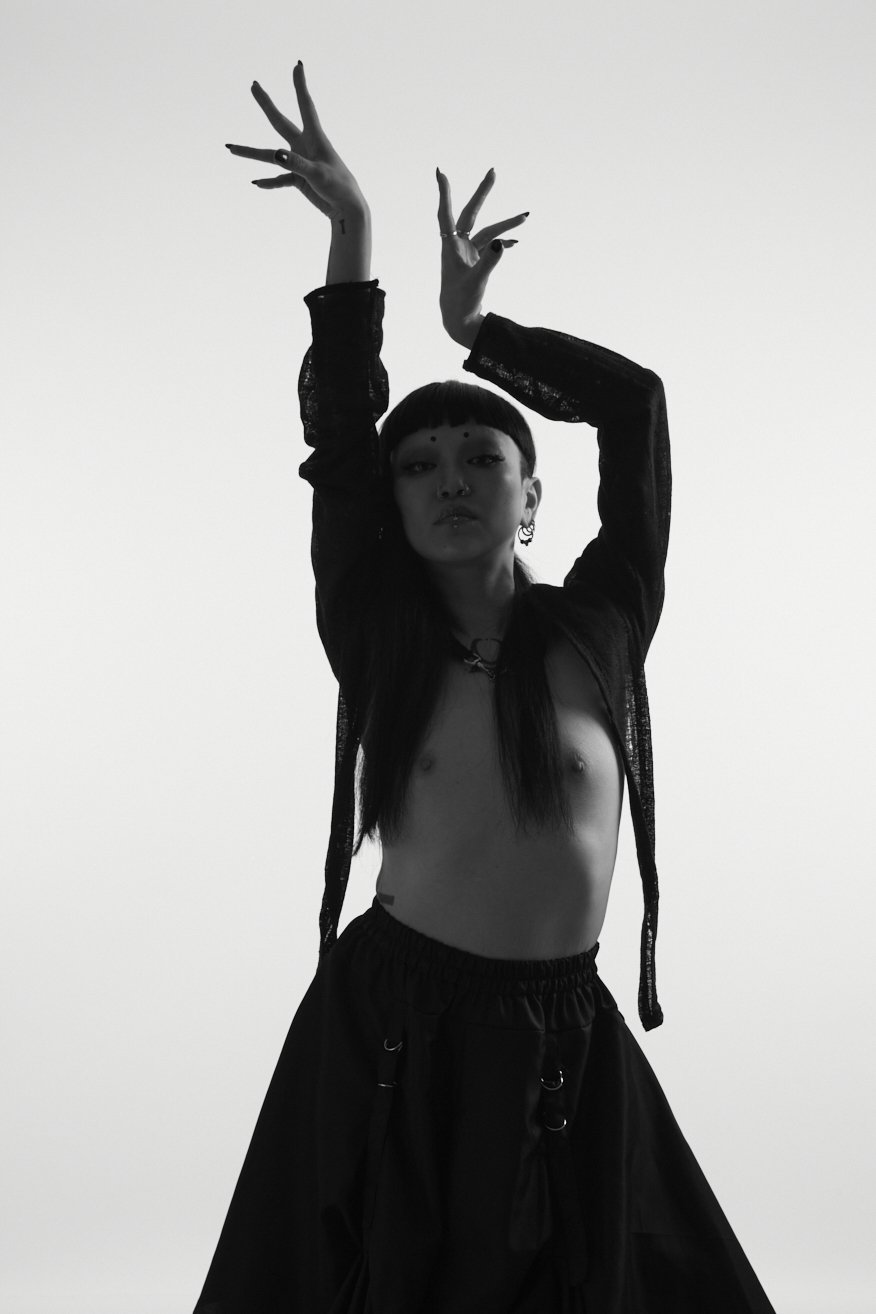
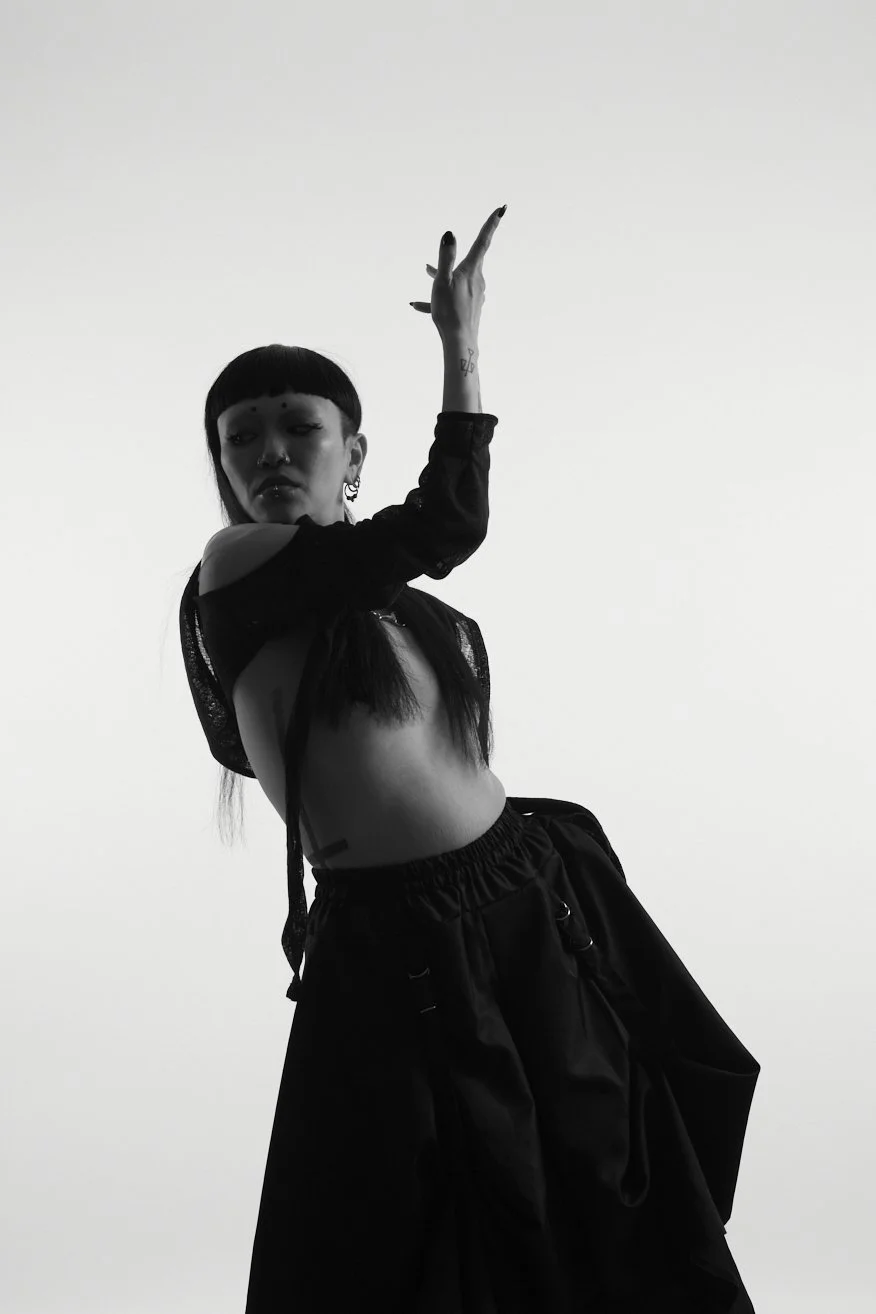
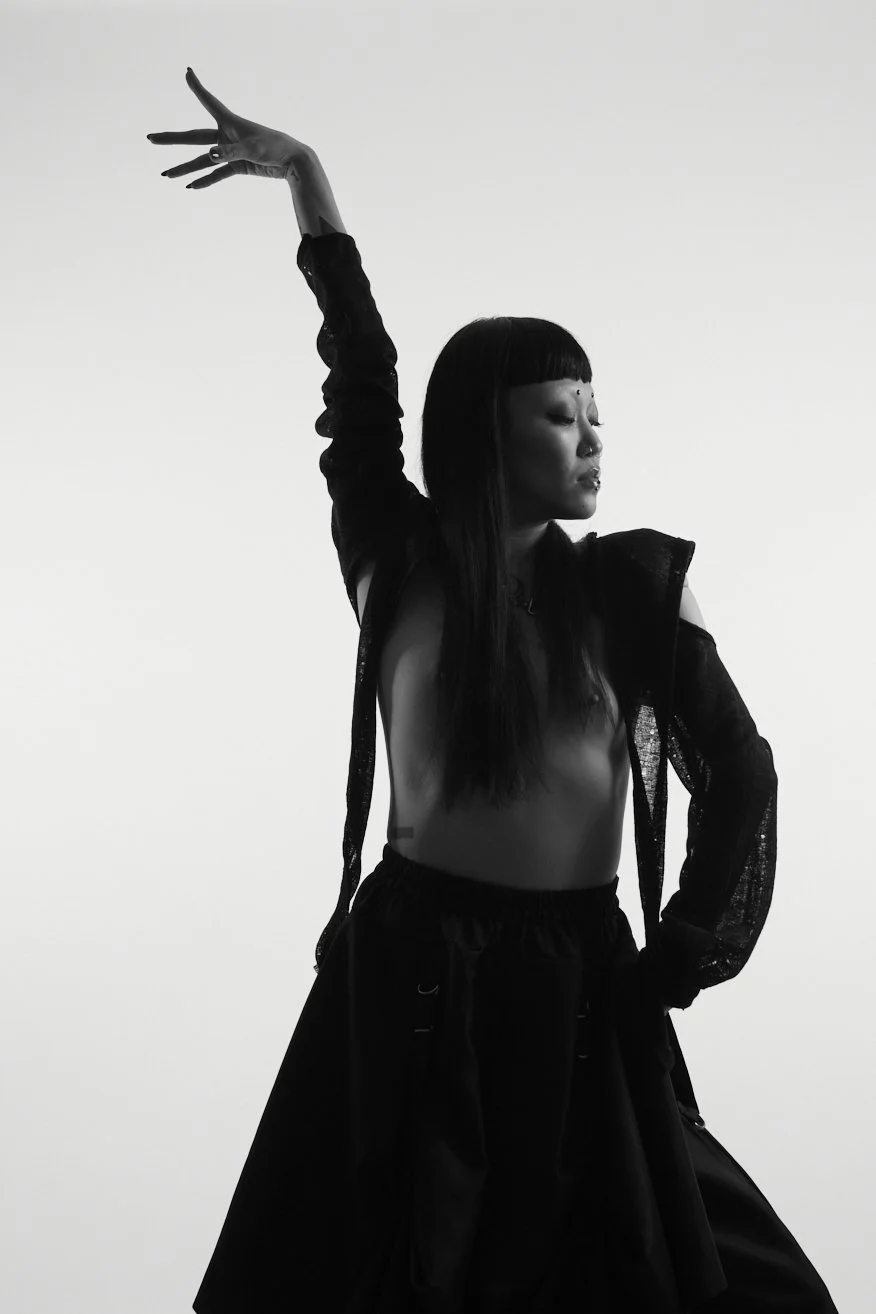
They never set out to define themselves within a system. And because of that, they never had to break out of one. “I don’t think within categories or rules in the first place,” they say. It’s a quiet refusal, but a consistent one. Even early on, when expectations were more insistent, what felt most aligned with their sense of self existed outside of them. Rather than adjusting to fit, they stayed there—just beyond definition.In a cultural landscape that often asks queer artists to clarify, label, or translate themselves, that stance carries weight. Not as a statement, but as a condition. The work doesn’t explain what it is. It simply remains what it is. Dance became the most direct way to hold that space. Not as performance in the traditional sense, but as a form of articulation. A way of expressing something that language couldn’t contain without reducing it.
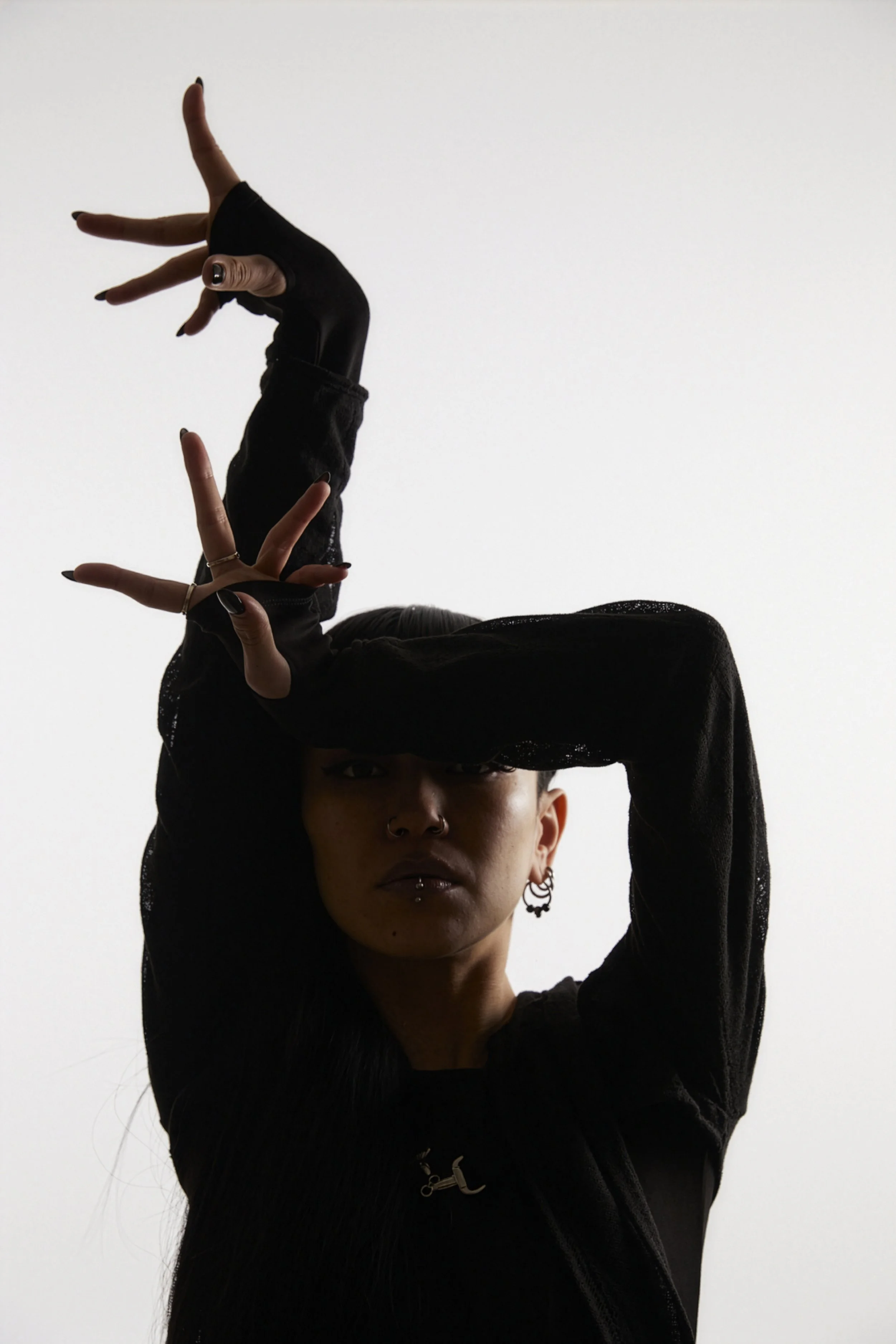
As their work reached wider audiences, that core approach didn’t shift. Visibility didn’t soften it. It didn’t make them more legible, more accessible, or more easily understood. If anything, it reinforced the importance of staying intact. There’s no interest in making the work easier to read. No impulse to translate it for a broader audience. The clarity lies in the work itself, not in how it’s explained. That same consistency carries into collaboration. Working with artists and designers at the highest level hasn’t required transformation—it’s required precision. The expectation is not that they adapt, but that they remain exactly who they are. ”They gave me the space to be myself,” they say.For Aya, authorship isn’t something negotiated within those spaces. It’s something they maintain by understanding why they were chosen in the first place—and refusing to move away from that. While many artists frame their work as resistance, Aya doesn’t position themselves in opposition to anything. “My work is simply a form of expressing my being.”“I don’t think within categories or rules in the first place.”
It’s a statement that resists framing—but it doesn’t exist outside of context. To move through the world in a body that is read, interpreted, and often categorized by others is already to exist within a system of expectation. Aya’s refusal to engage those expectations directly doesn’t remove them—it repositions them.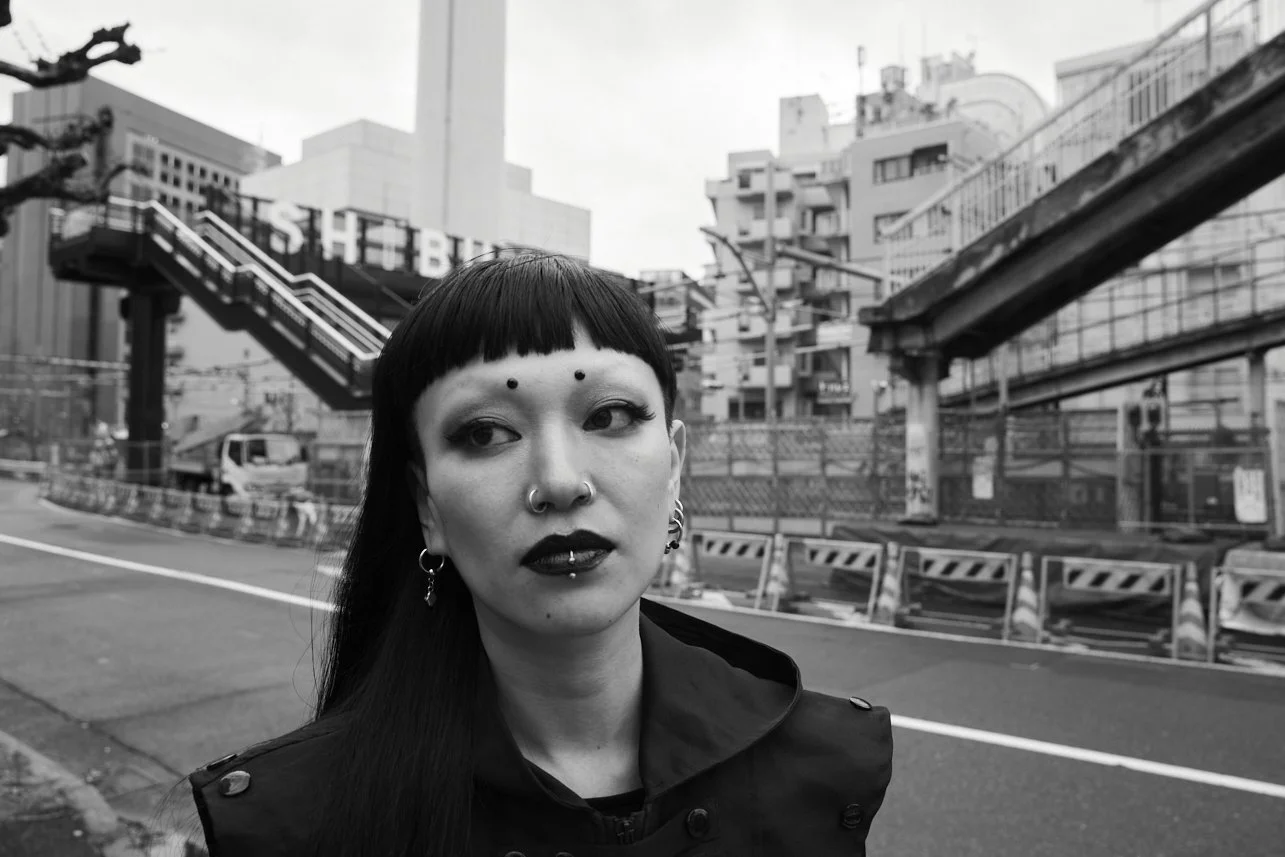
Their queerness isn’t something they perform or define outright. It lives in the refusal itself. In the decision not to clarify, not to translate, not to make the work more legible for comfort. Where others are asked to explain, they maintain. The work doesn’t argue for space. It occupies it.That openness extends to the audience. Meaning isn’t dictated. It isn’t fixed. It’s encountered—shaped as much by the viewer as by the work itself. “I leave space for interpretation… whatever meaning others find in it belongs to them.” Across audiences and cultural contexts, the response remains consistent. Not in interpretation, but in feeling. Something registers. Something lands.“In the past, I focused more on being in front, but now I enjoy spending more time creating behind the scenes.”
Recently, that practice has begun to evolve. Not in its foundation, but in its direction. Less centered on being seen, more focused on shaping what is seen. A movement behind the scenes, where the same level of control can be applied from a different vantage point.“In the past, I focused more on being in front, but now I enjoy spending more time creating behind the scenes.”
Still, what the audience encounters is never complete. It isn’t meant to be. “Whatever you see of me is a fragment of my world.” What feels complete is only partial. What feels defined is still evolving. And that evolution—controlled, intentional, and entirely self-directed—is where their work continues to live.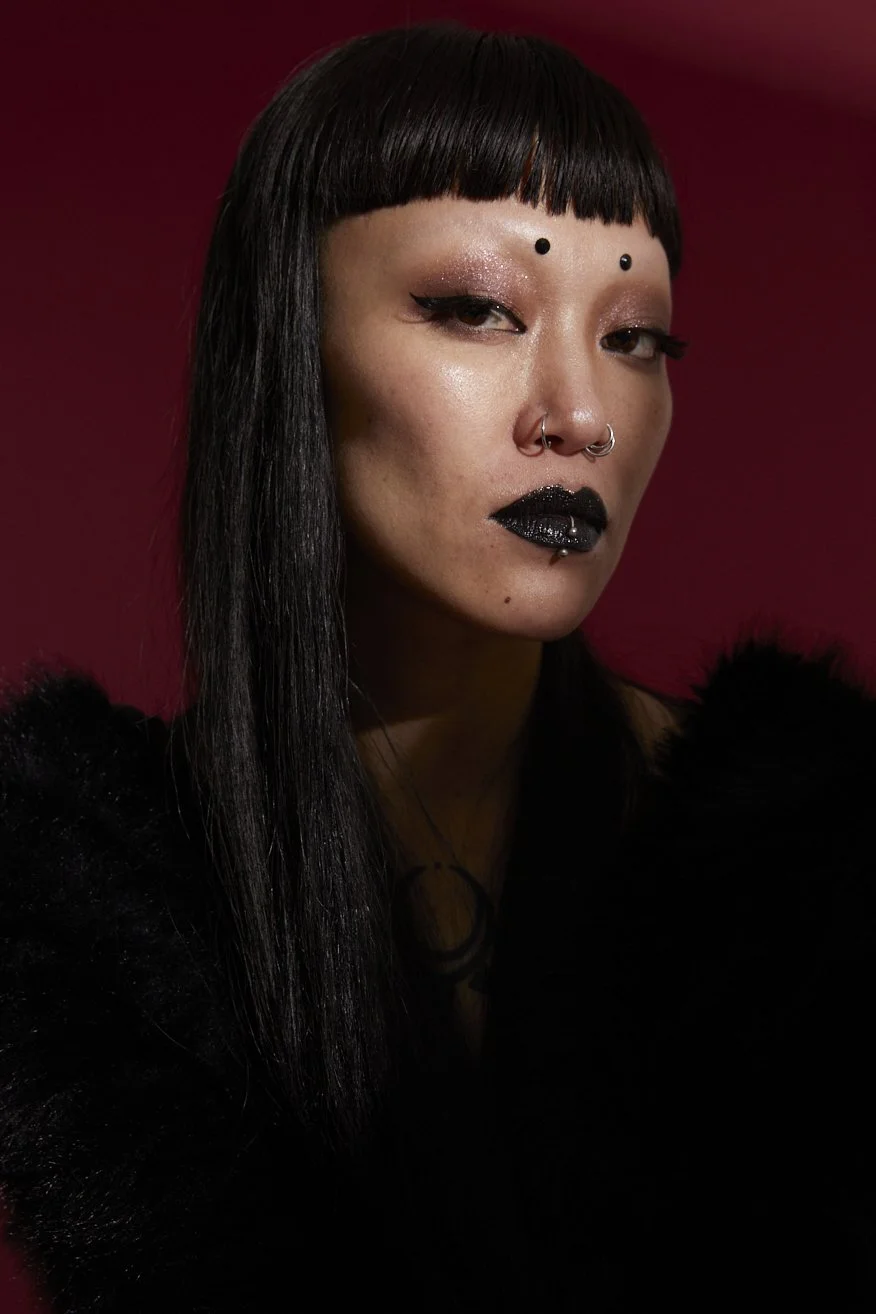
Aya Satoの作品の中心には、独特の「静けさ」がある。それは空虚な静けさではなく、コントロールされた静けさだ。何が必要で、そしてそれ以上に、何が必要ではないのかを正確に理解している人だけが持つコントロール。Ayaの動きは、展開していくのではない。現れるのだ。完全な形で、意図的に、正確に。全ての動きは、演じられているというより、そこに配置されているように感じられる。まるで、意識的に選ばれたもの以外は存在しないかのように。
[ 日本語 ]Ayaは、削ぎ落とすことで作品を組み立てていく。アイデアや参照を重ねるのではなく、取り除き、切り落とし、研ぎ澄ませていく。そこに残るのは、スタイルとしてのミニマルではない。過剰さの陰に何ひとつ隠れることができないところまで、徹底的に蒸留されたものだ。そうして立ち上がるムーヴメントの言語は、鋭利で、ほとんど外科的ですらある。必要最小限まで剥き出しにされた動きの中で、精度だけが唯一の選択肢として残される。「すべてのことが、私によってコントロールされ、意図のもとに作られています」とAyaは言う。その徹底した表現の主導権は、振付という範囲を越え、作品がどのように受け取られるかというところにまで及んでいる。Ayaはしばしば、伝統とコンテンポラリー、男性性と女性性、親密さと異世界性――そうしたさまざまな区分のあいだに置かれるが、作品そのものは、そのどれにも安住しようとしない。それは何かを打ち壊そうとするからではなく、むしろ、そうした枠組みにとらわれていないがゆえである。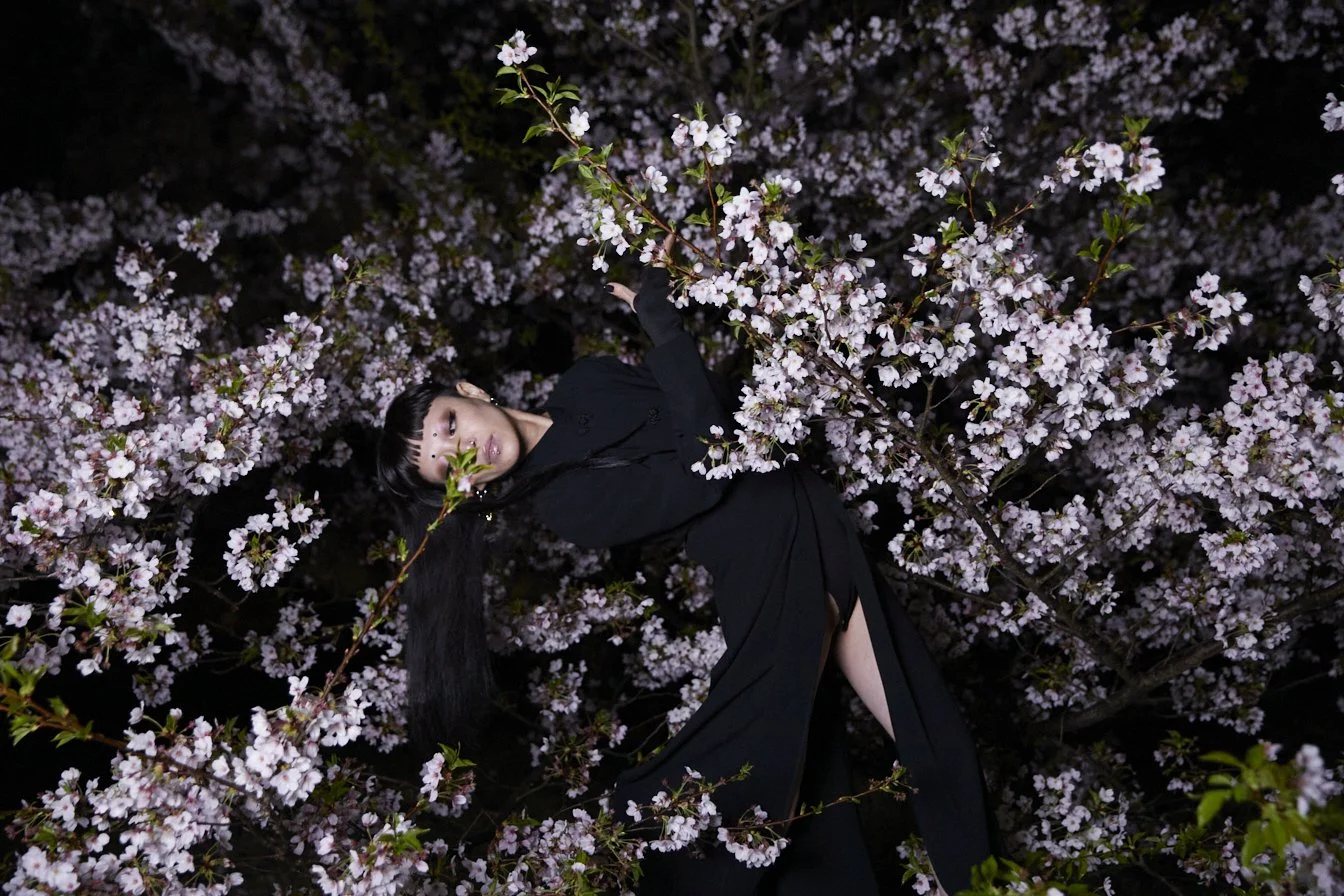
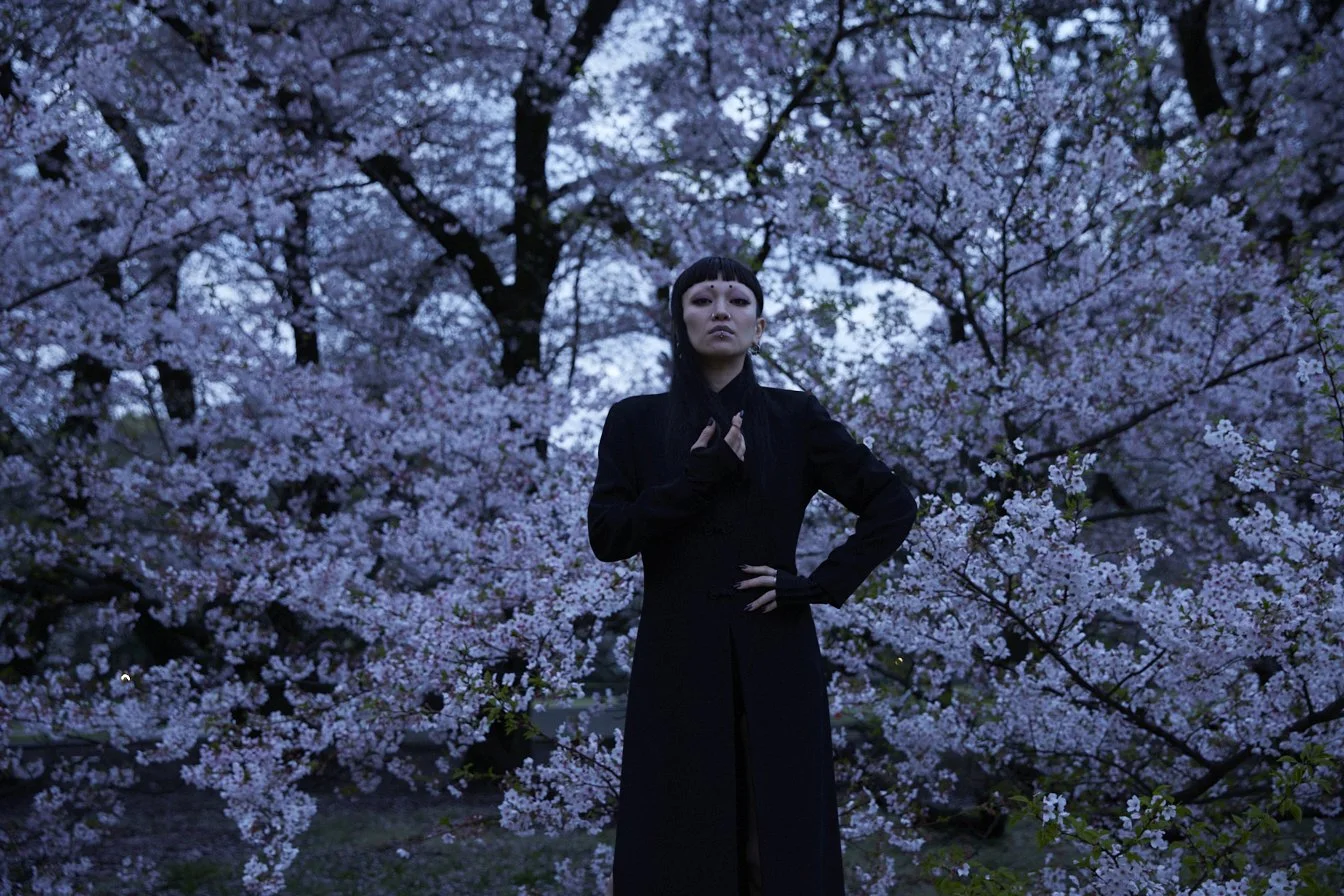
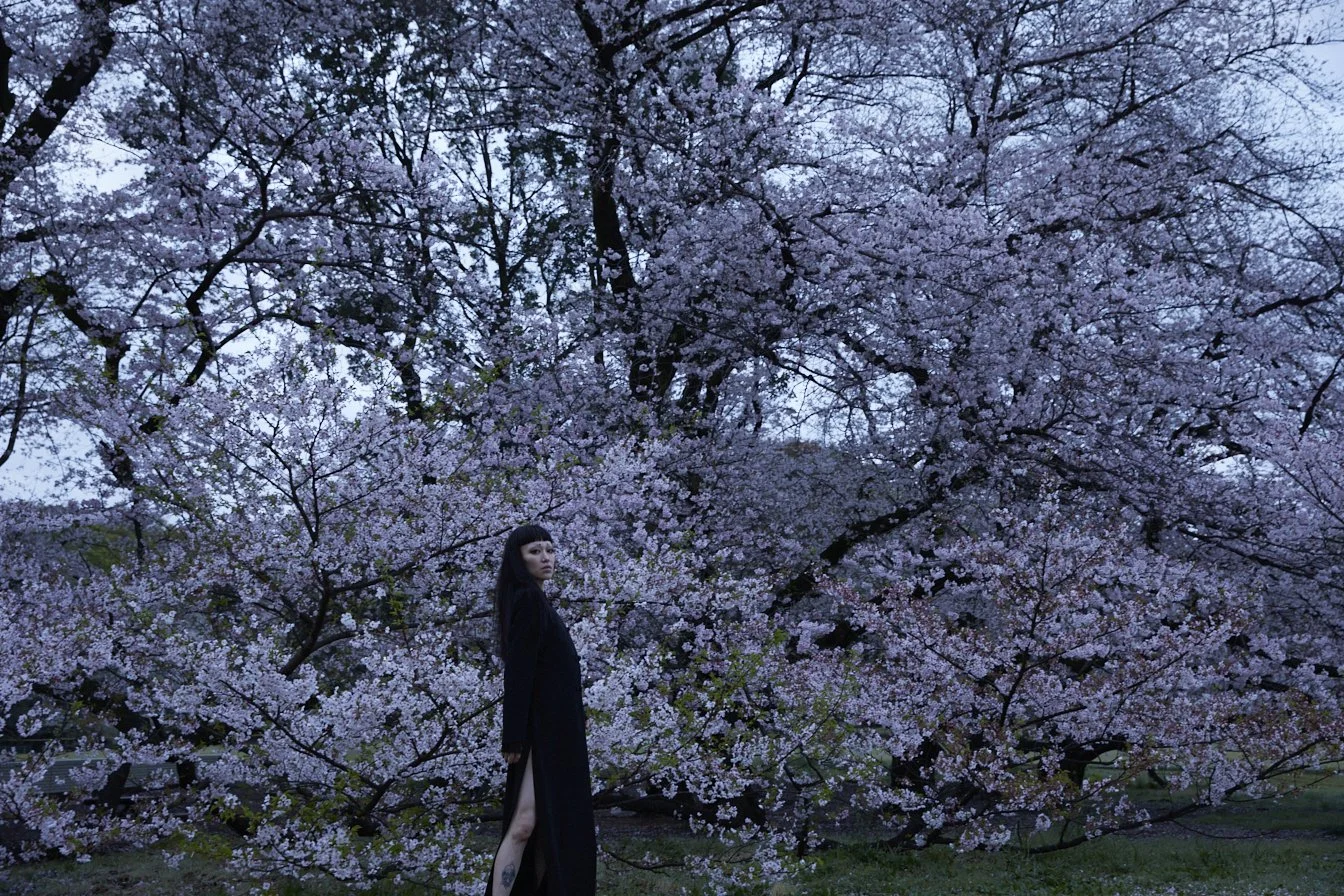
Ayaは、自分自身を何かのシステムの中で定義しようとしたことはなかった。だからこそ、そのシステムから抜け出す必要もなかった。「そもそも、カテゴリーやルールの中で考えていないのです」と Aya は言う。それは声高な拒絶ではないが、一貫して守られてきた態度である。周囲の期待がずっと強かった頃でさえ、自分の感覚と最もよく響き合うものは、そうした期待の外側にあった。そこへ合わせるために自分を作り替えるのではなく、Ayaは、その外側にとどまり続けた――定義の及ばぬ、ほんの少し向こう側に。クィアなアーティストに対し、しばしば「説明すること」「名づけること」「翻訳すること」が求められる社会において、この姿勢は、重みを持つ。それはスローガンではなく、一つの条件として存在している。作品は、自らが何であるかを解き明かそうとはしない。ただ、何であるかとして在り続ける。ダンスは、そのための最も直接的な方法となった。伝統的な意味での「演技」としてではなく、一つの「表現行為」として。言葉にしてしまえば削られてしまう何かを、そのまま抱え持つためのかたちとして。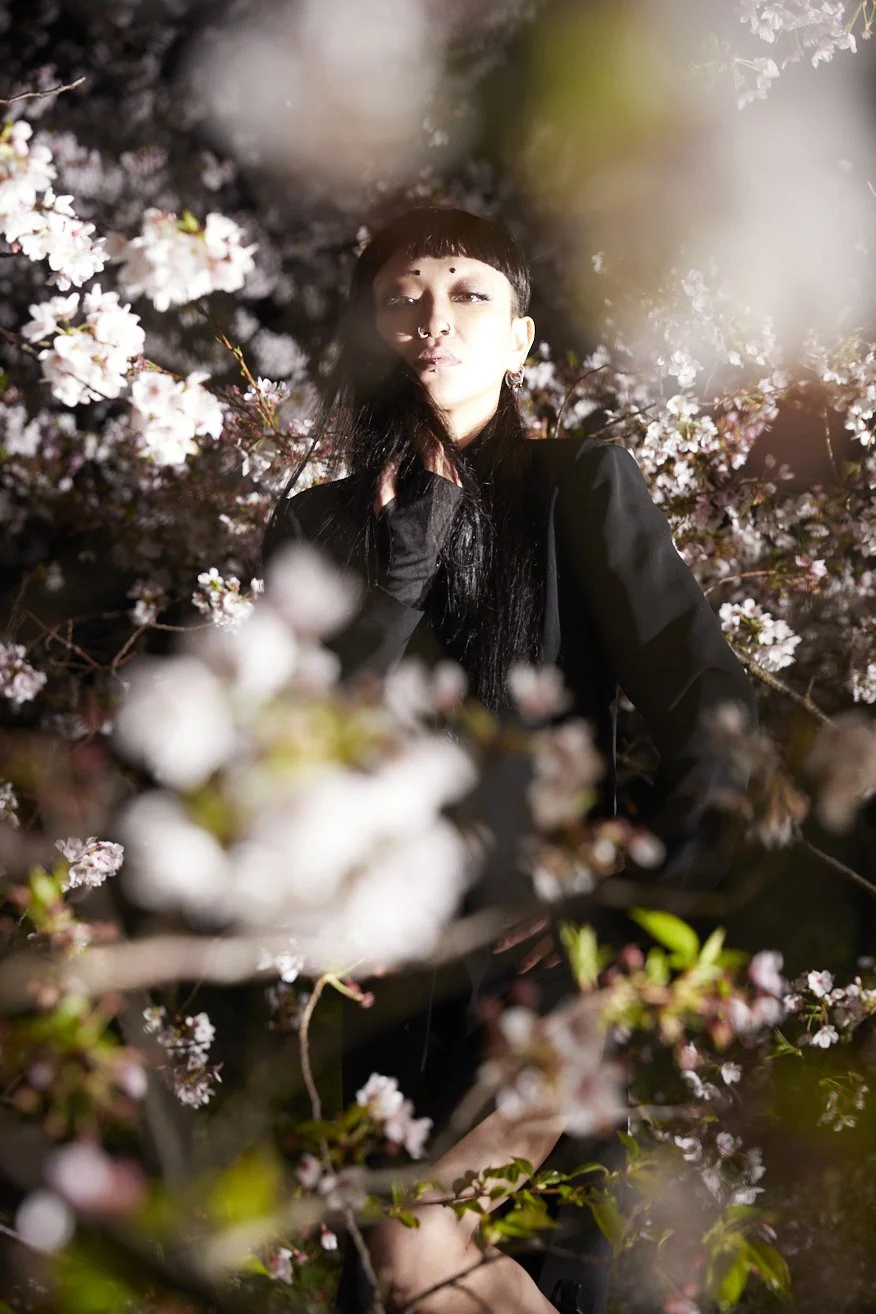
作品がより多くの人の目に触れるようになっても、その核となる姿勢が変わることはなかった。見られる機会が増えたからといって、そのあり方が穏やかになったり、丸くなったりすることもない。Ayaという存在が、より「読みやすく」、より「身近に」、より「理解しやすく」なったわけでもない。むしろ、変わらずに在り続けることの重要性が、いっそう強く確かめられることになったと言えるだろう。作品を、誰にでもすぐに読み解けるかたちへと整えようとはしていない。より大きな観客に合わせて、そのあり方を言い換えようとすることもない。明晰さは、説明の言葉ではなく、作品そのものの内側に宿っている。その一貫性は、コラボレーションの場にもはっきりと現れている。第一線のアーティストやデザイナーたちと仕事をすることは、Ayaに変身を求めはしなかった。求められたのは、ただその精度だった。期待されているのは、Ayaが何かに合わせて変わることではなく、Ayaであり続けることだ。「そのままの自分でいられる場を与えてくれました」とAyaは言う。Ayaにとって、表現の主導権とは、そうした場のなかで誰かと交渉して取り決めるようなものではない。「そもそも、カテゴリーやルールの中で考えていないのです」
自分がなぜその場に招かれ、なぜ選ばれたのか――その理由を見失わずにいることで保たれているものだ。そして、そこから離れまいとすることで守られている。多くのアーティストが自らの作品を「抵抗」として語るなかで、Ayaは自分を何かへの対立軸としては置かない。「私の作品は、ただ私という存在を表す一つのかたちにすぎません」とAyaは言う。それは、単純な枠組みには収まりきらない言葉だが、決して文脈から切り離されているわけではない。他者から意味を与えられ、解釈され、ときにカテゴリーの中に押し込められる身体で世界を生きるということは、すでに「期待」というシステムの内側にいるということでもある。Ayaがそうした期待と正面から向き合うことを選ばないからといって、その期待が消えてなくなるわけではない。そうではなく、その期待との関わり方の位置を、別のところへと置き直しているのだ。Ayaのクィアネスは、何かを演じて見せることでも、はっきりと言葉で定義して示すことでもない。それは、むしろ「しない」という選択そのもののなかに息づいている。曖昧さを解き明かさないこと。わかりやすく翻訳しないこと。安心のために、作品を読みやすく整え直さないこと。説明を求められる場面で、多くの者が言葉を尽くそうとするところで、Ayaはそのまま在り続ける。作品は、自らの居場所を主張して争おうとはしない。ただ、そこに確かに「居る」のだ。そのひらかれた在り方は、観客にも向けられている。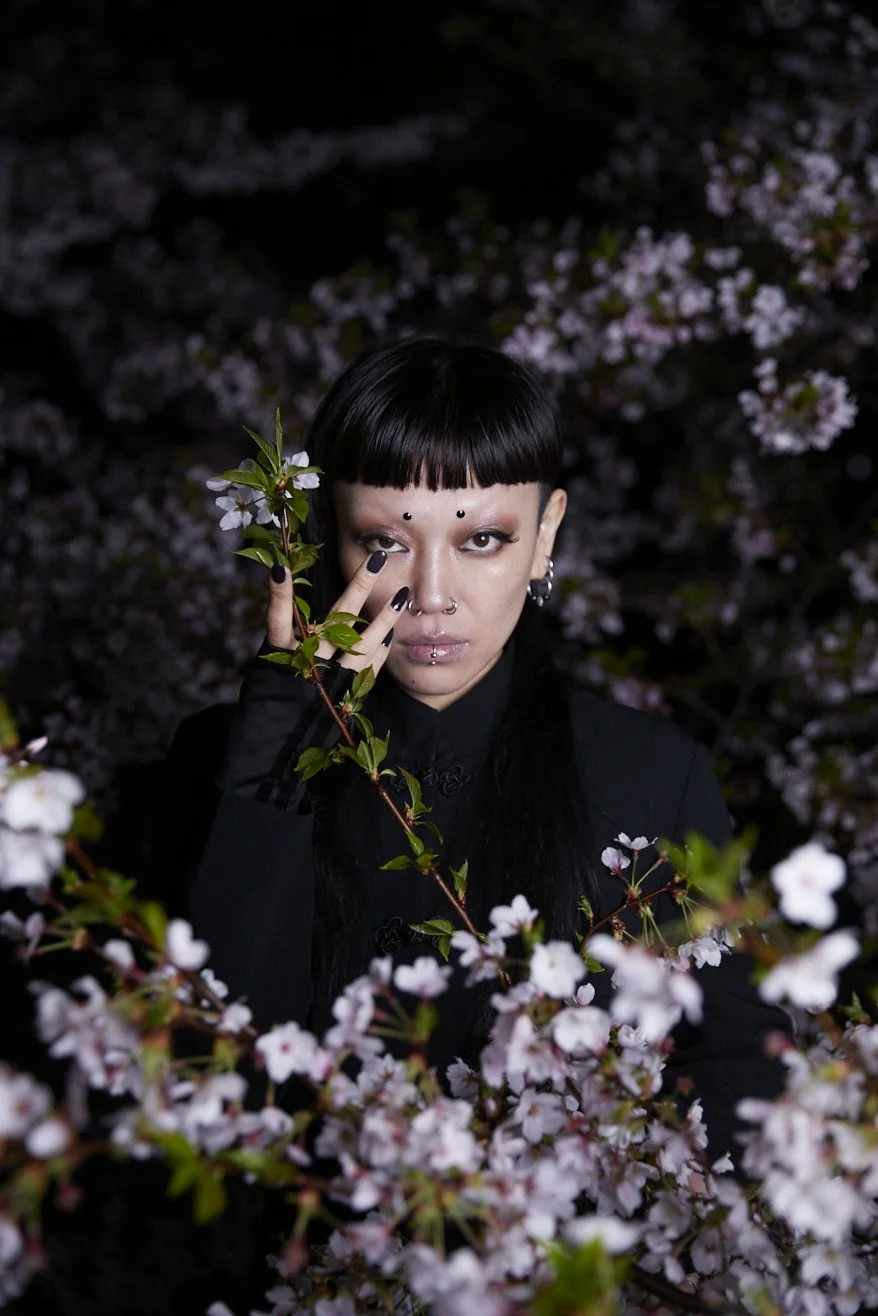
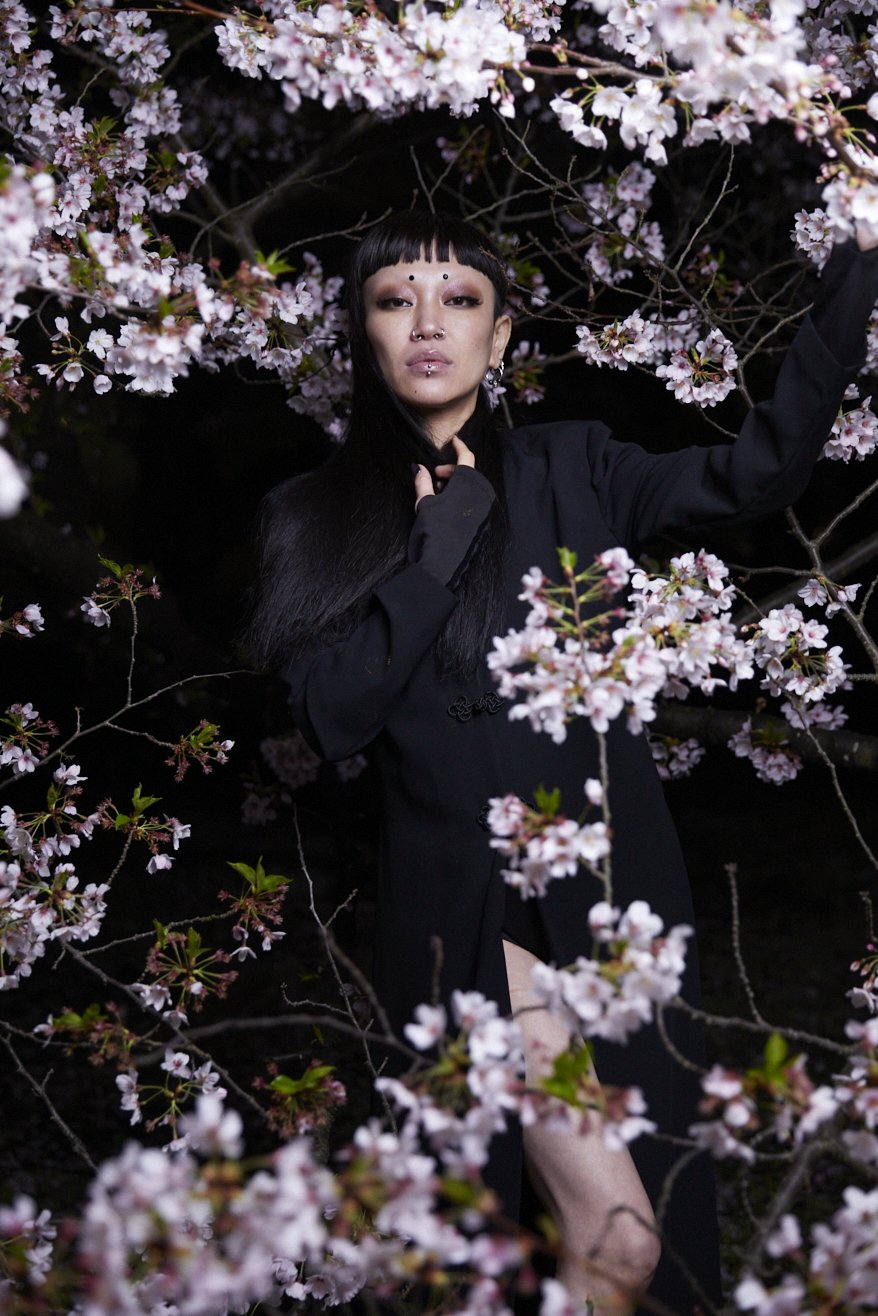
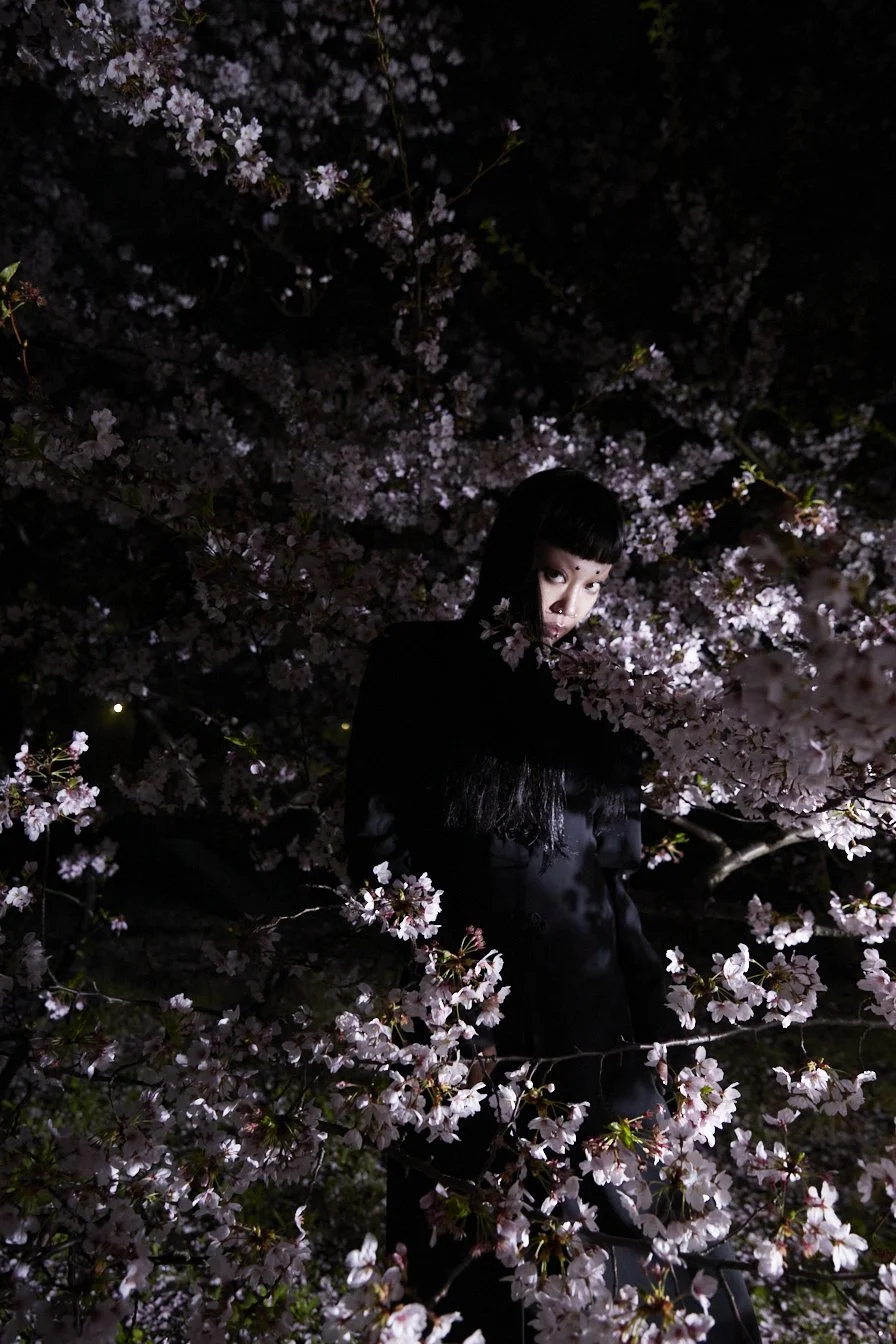
意味は最初から指示されず、固定もされない。作品との出会いのなかで立ち上がり、作品と同じだけ観る者によって形づくられていく。「解釈は観る人に委ねています。そこからどんな意味を見いだすかは、すべてその人自身のものです」とAyaは言う。観客や文化が変わっても、一つだけ変わらないものがある。それは解釈の内容ではなく、感覚だ。何かが確かに触れ、届いたという感触である。近年、そのあり方は静かに方向を変えつつある。変わってきているのは土台そのものではなく、立ち位置だ。自らが「見られること」を中心に据えるのではなく、「何が見えているのか、その像そのものをかたちづくること」へと、意識の焦点が移っている。同じ水準のコントロールを、別の視点から作品全体に行き渡らせるようになっているのだ。「かつては前面にいることに重きを置いていましたが、今は表にも裏にも立ちながら、作品をかたちづくる時間そのものを、より楽しめるようになりました」とAyaは言う。それでも、観客が触れる一つひとつの作品も、インタビューも、写真も、それ自体としては完結している。だが、それだけでAyaの世界のすべてが見えているわけではない。「あなたが目にする私の姿は、私の世界の断片にすぎません」とAyaは言う。完結しているように見えるものも、その一部にすぎない。はっきりと定まっているように感じられるものも、いまだ変化の途上にある。その変化――コントロールされ、意図され、そして徹底して自らの手で選び取られていく変化のただ中にこそ、Ayaの作品は生き続けている。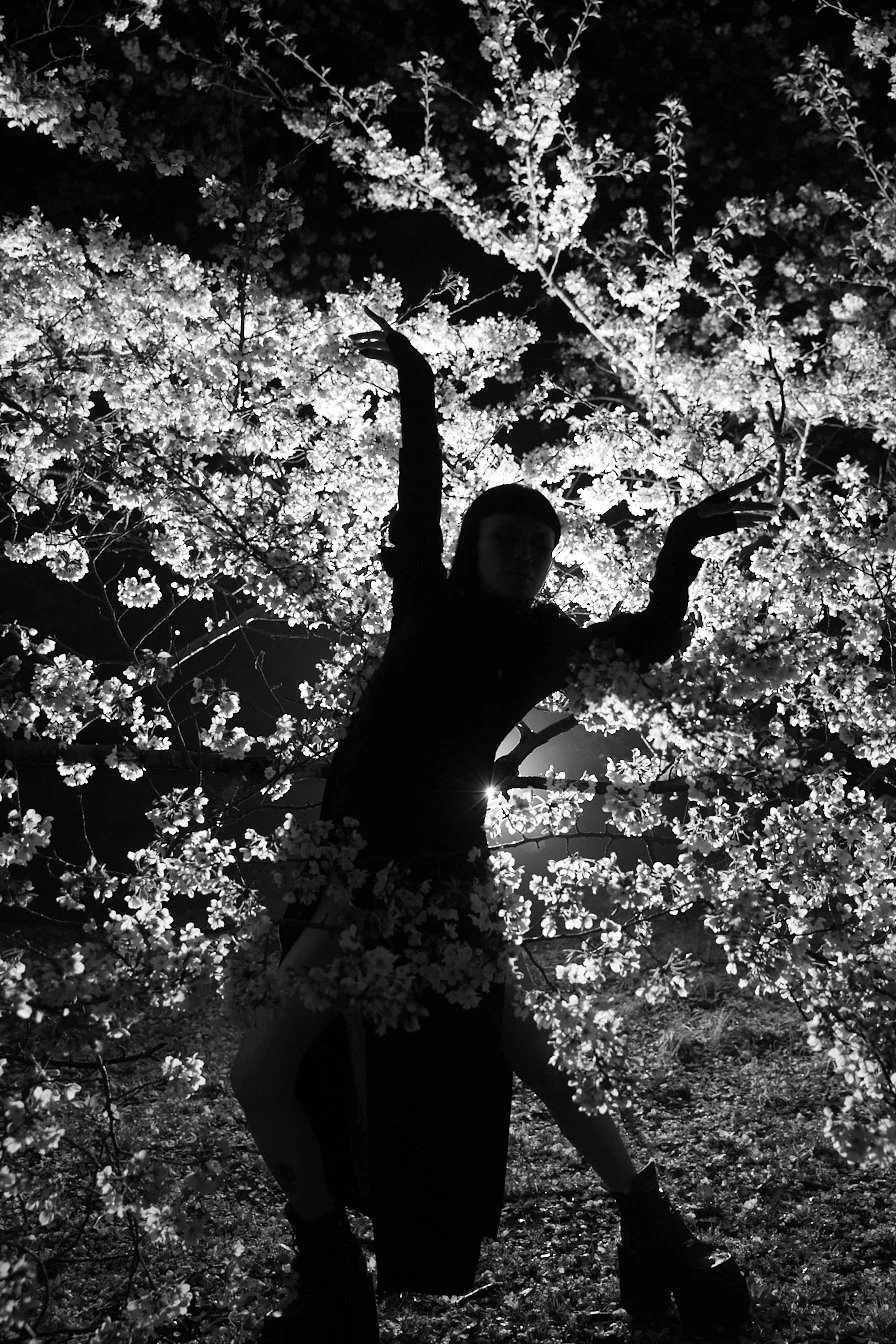
Credits
Story: Levi Rodriguez @itslikethejeans
Human: Aya Sato @ayasato_official
Photo: Chito Yoshida @chitoyoshida
Japanese translation: Nobuko Ikegami @nobibibibiko