
I Am I: Rain Dove and the Refusal of the Binary
Human: Rain Dove | London, United Kingdom
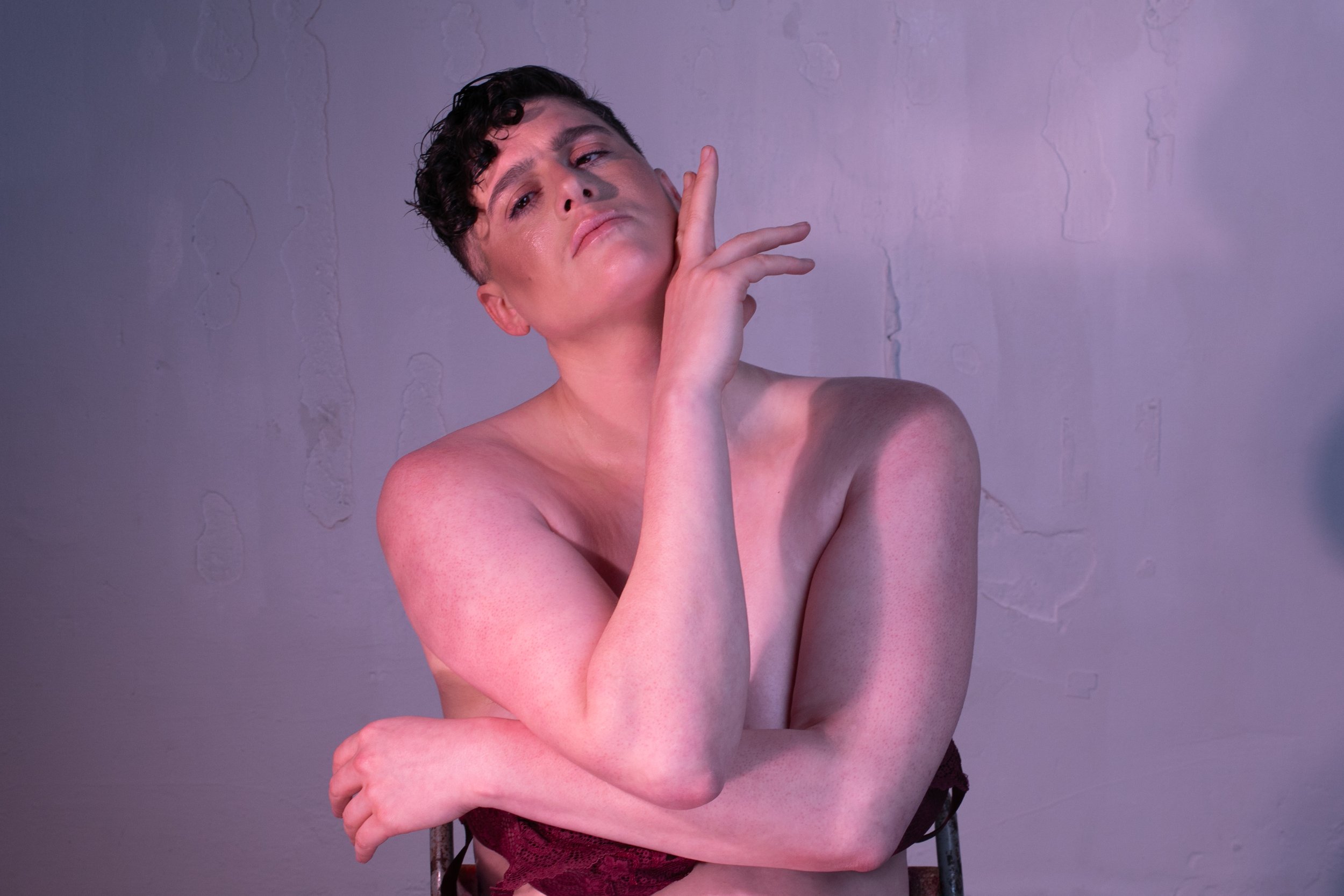
Rain Dove does not enter fashion through the front door. They slip through its side seams—through fabric, through function, through the quiet realization that clothing, before it is coded, is simply material. Before it is assigned, it just exists.
[ EN ]Growing up off-grid, far from the spectacle of the industry, fashion was never an identity marker. It was purely for utility. Protection. Something worn to get through the day. “Jeans were jeans. A hoodie was a hoodie,” they recall. There were no rigid expectations attached to what a body should wear—only the expectation that the work got done. That early separation—between fabric and the mythology of fashion—would later become central to their practice.Because when Rain Dove finally encountered fashion as an industry, it appeared as something else entirely: theatrical, coded, almost cult-like in its obsession with identity. The collision between those two understandings—fabric as freedom, fashion as constraint—set the stage for everything that followed.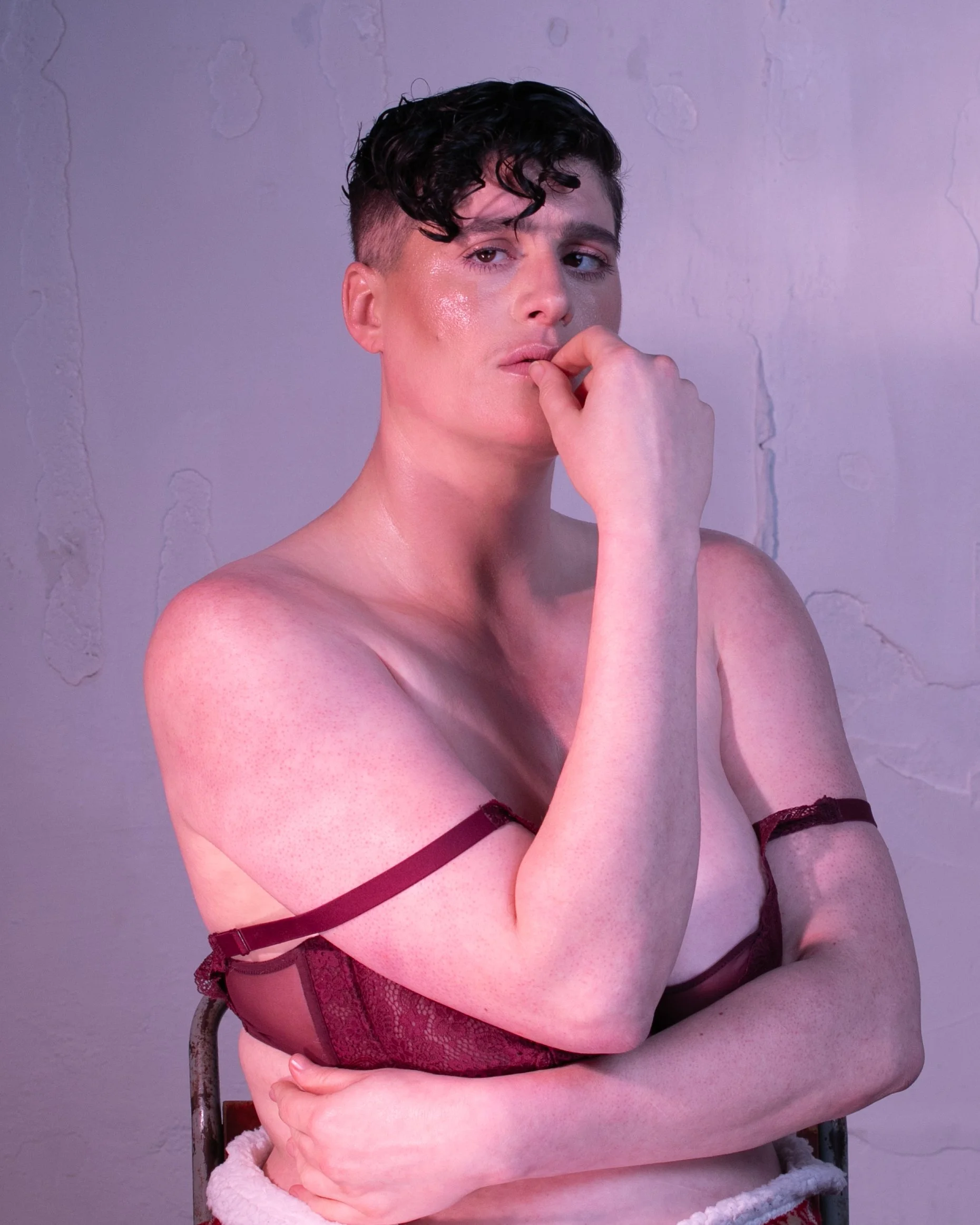
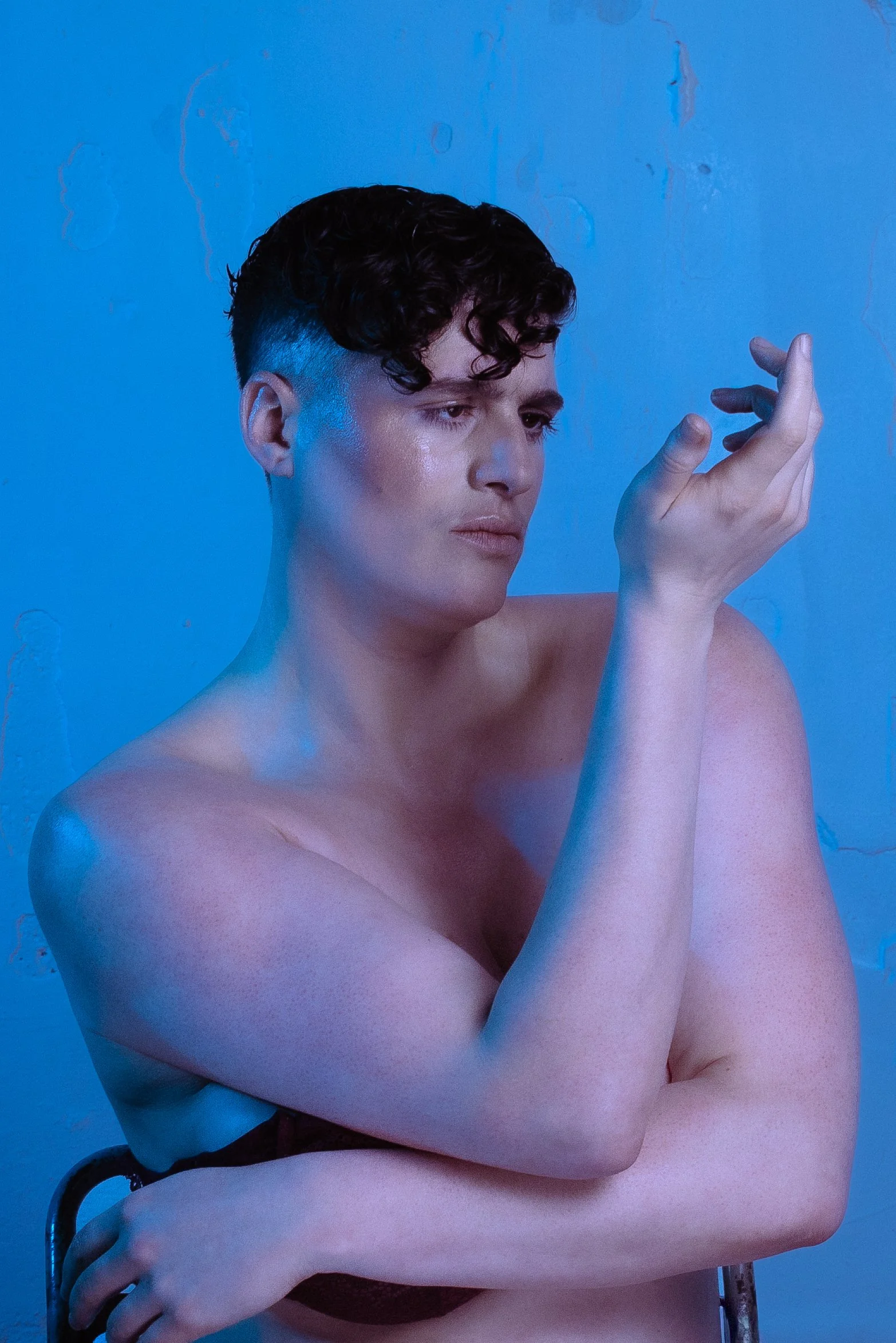
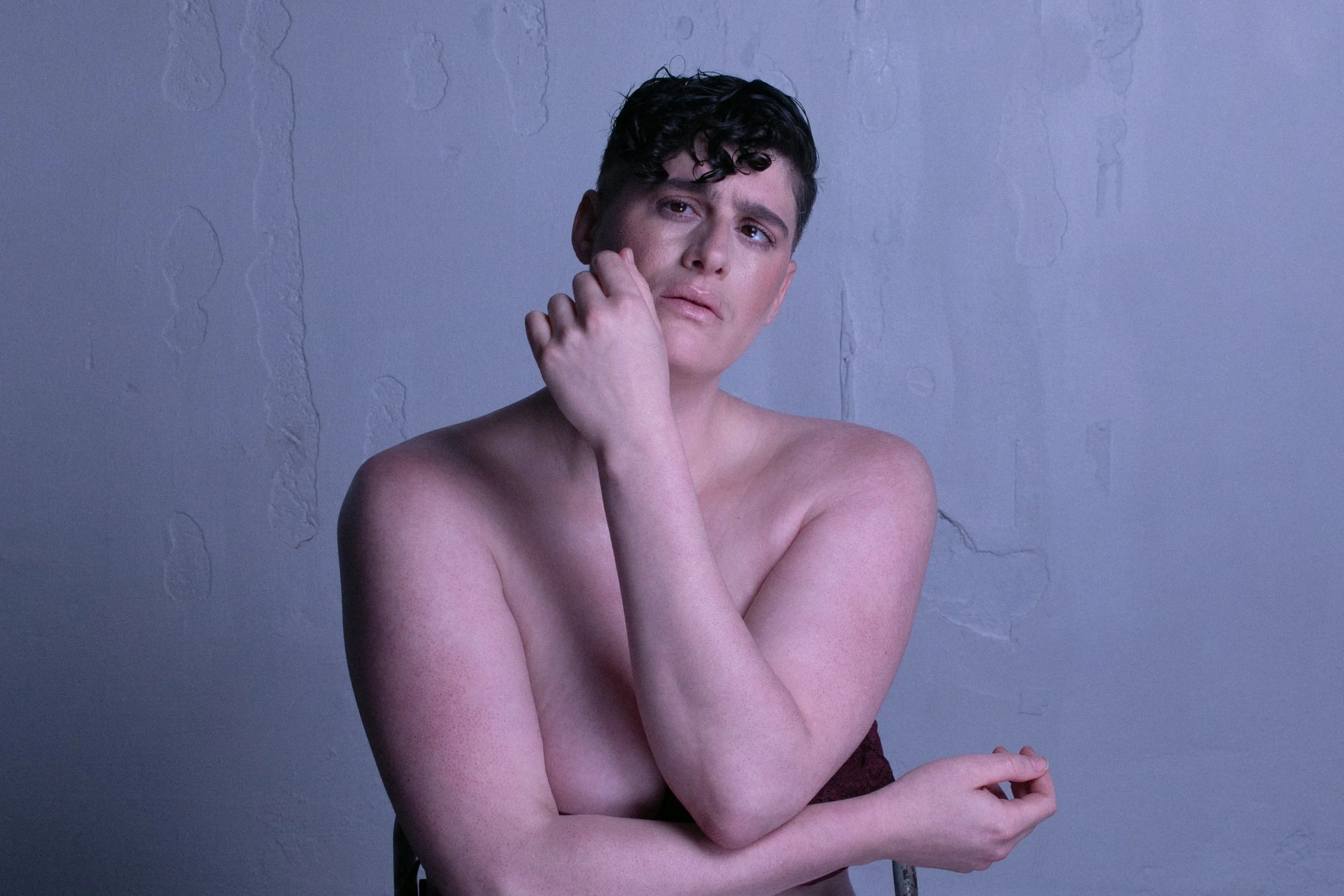
That tension became undeniable the moment they stepped onto a runway that was never meant to hold them. Cast in a Calvin Klein men’s show, Rain Dove walked out in boxer briefs—an act that, on its surface, felt ordinary. But the reaction was not. Shock. Outrage. Confusion. A collective unraveling over who was “allowed” to wear what. What they witnessed in that moment was not just about discomfort—it was the rigidity of a system. A realization that fashion, when attached to identity, becomes prescriptive. Restrictive. “How could fabric feel so much like a straitjacket?” they ask.“How could fabric feel so much like a straightjacket?”
From there, Rain Dove’s work does not attempt to gently expand the binary. It exposes it. Moves through it. Refuses it entirely. To exist across menswear and womenswear is not, for them, a performance—it is a state of completeness. “I feel whole,” they say, describing the ability to move fluidly between categories that others are forced to remain inside of. That wholeness becomes a quiet provocation. Not because it demands attention, but because it reveals what others are denied.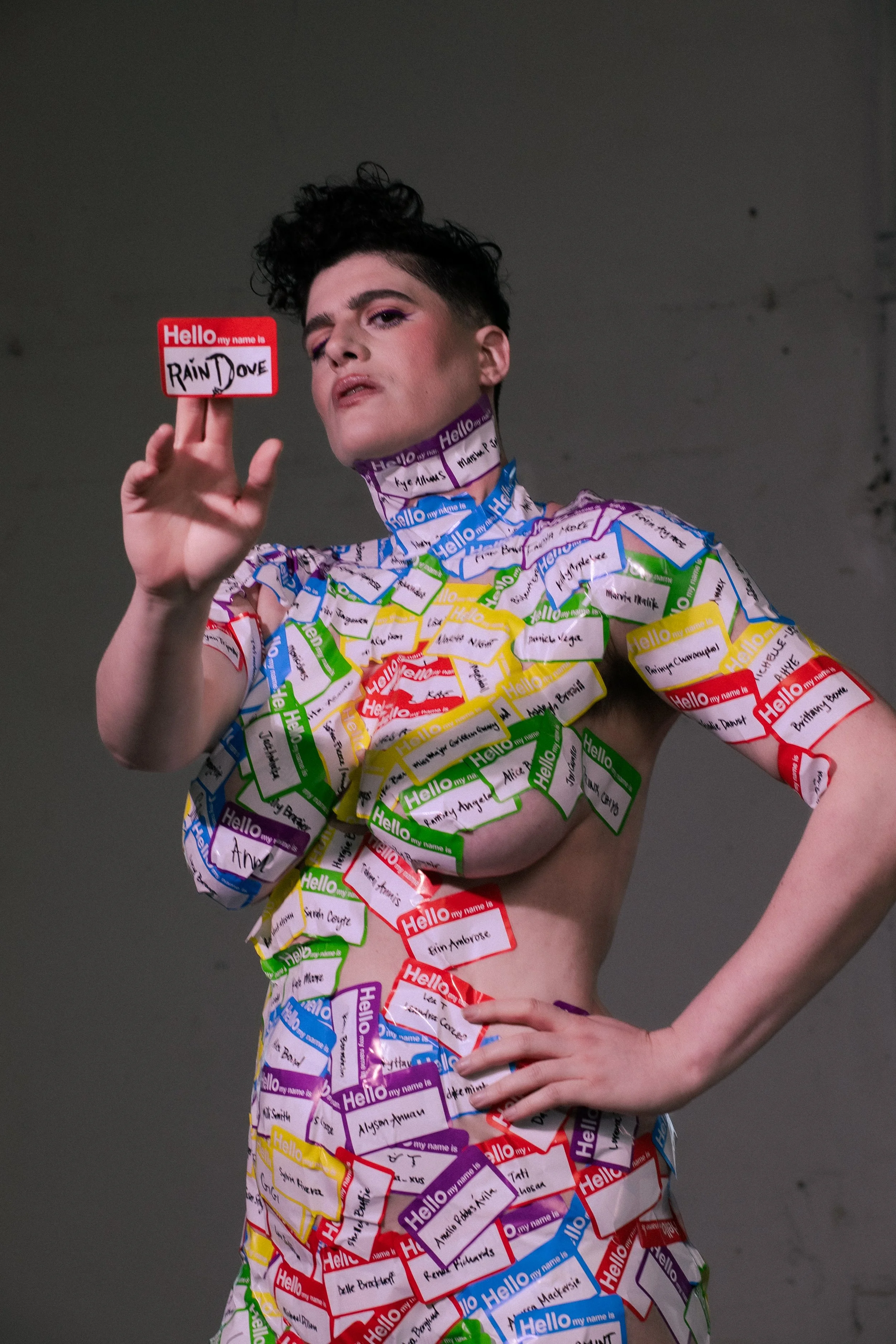
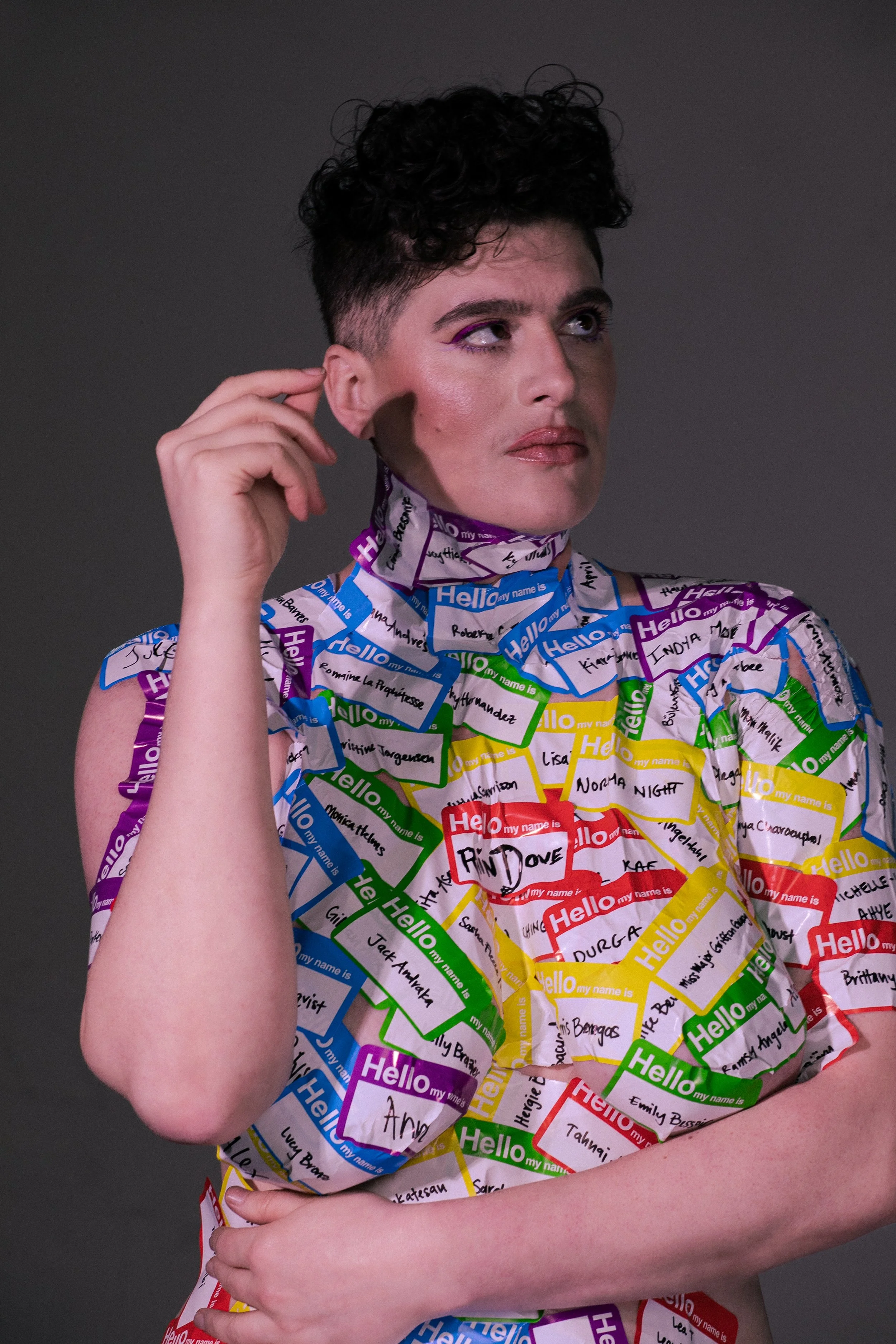
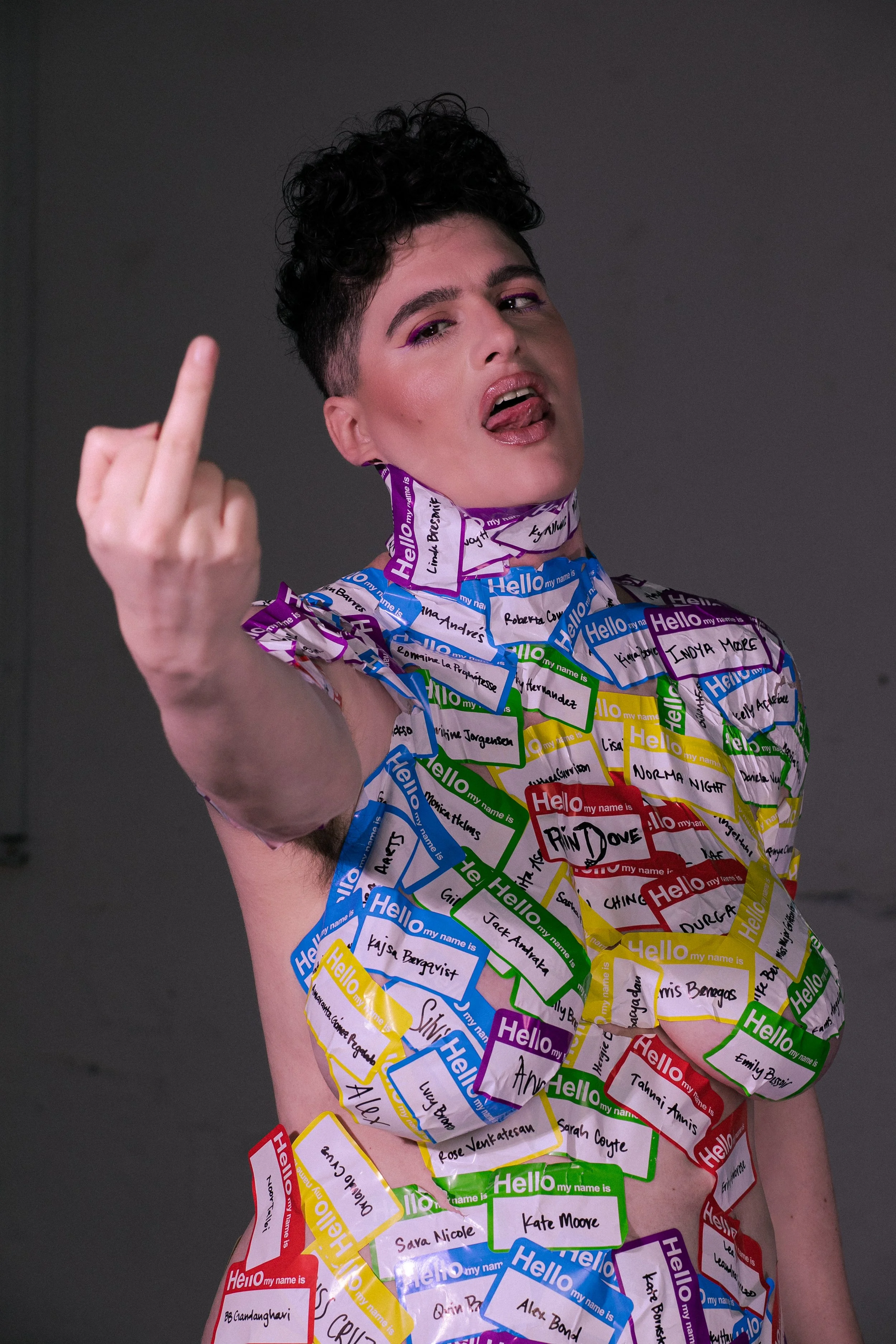
This is where their self-defined concept of the “gender capitalist” emerges—not as an endorsement of systems, but as a strategic manipulation of them. Rain Dove understands the mechanics of visibility, of desirability, of access. They move through these structures deliberately, using their ability to be read in multiple ways to open doors that remain closed to others. “I can literally morph into a mirror of what is wanted,” they explain. That shapeshifting is not abstract. It is practical. It is survival. It is activism. It allows them to enter spaces that would otherwise reject them, to gather perspective, to build connection, to protect themselves when necessary. At times, it grants safety. At others, it invites danger. Their visibility—fluid, uncontainable—has drawn harassment as quickly as it has drawn acclaim.And yet, the work continues. Not as spectacle, but as insistence.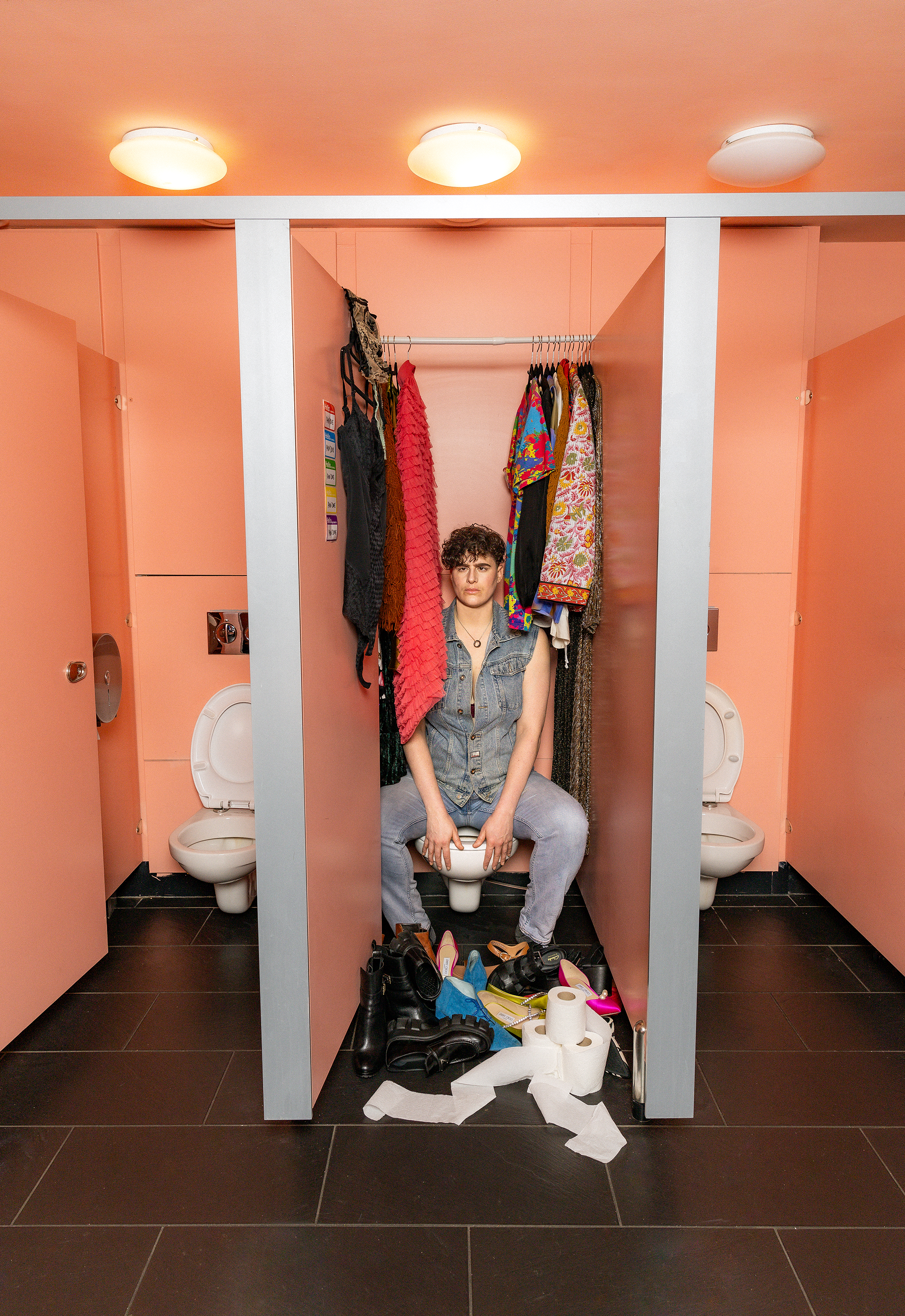
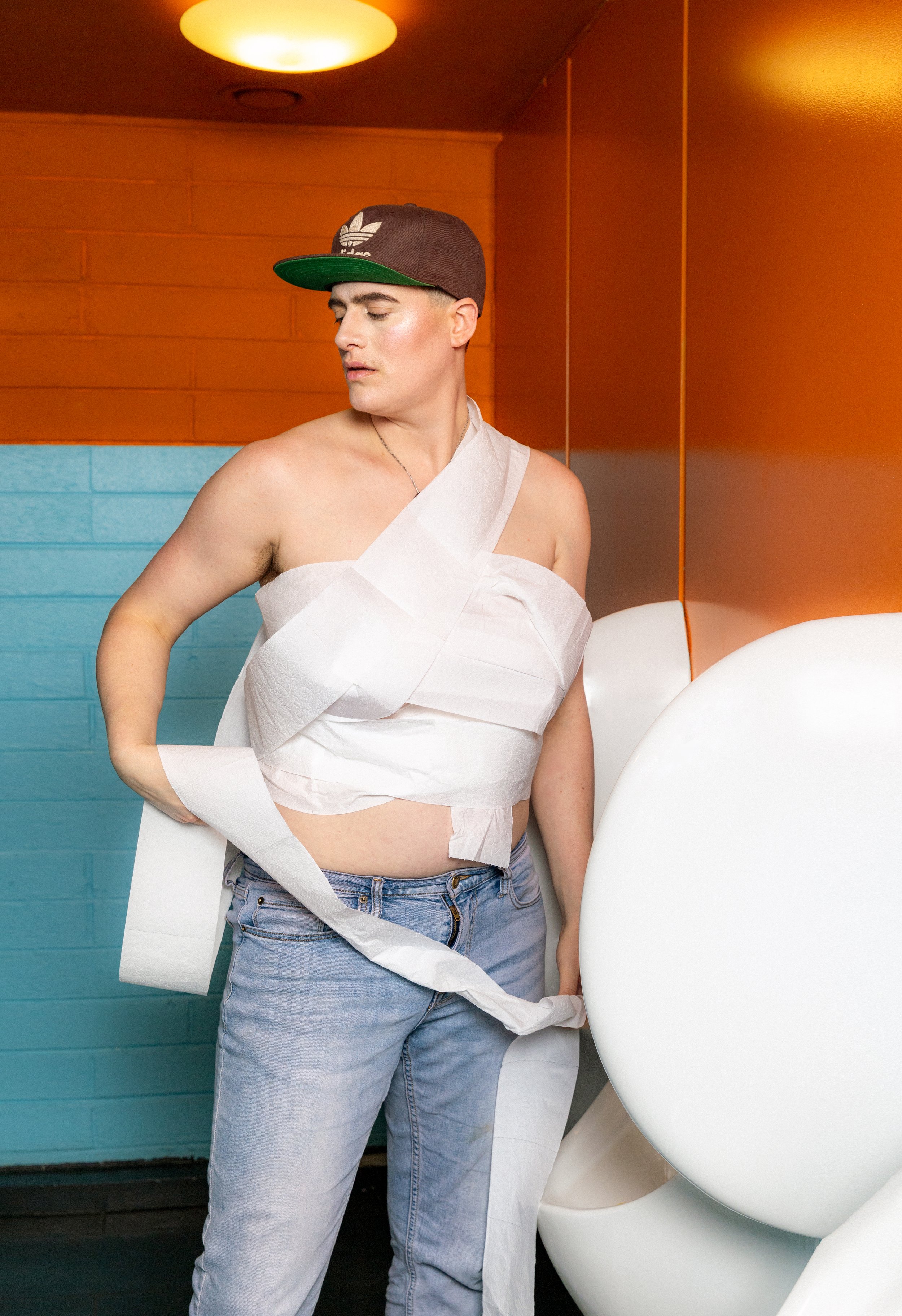
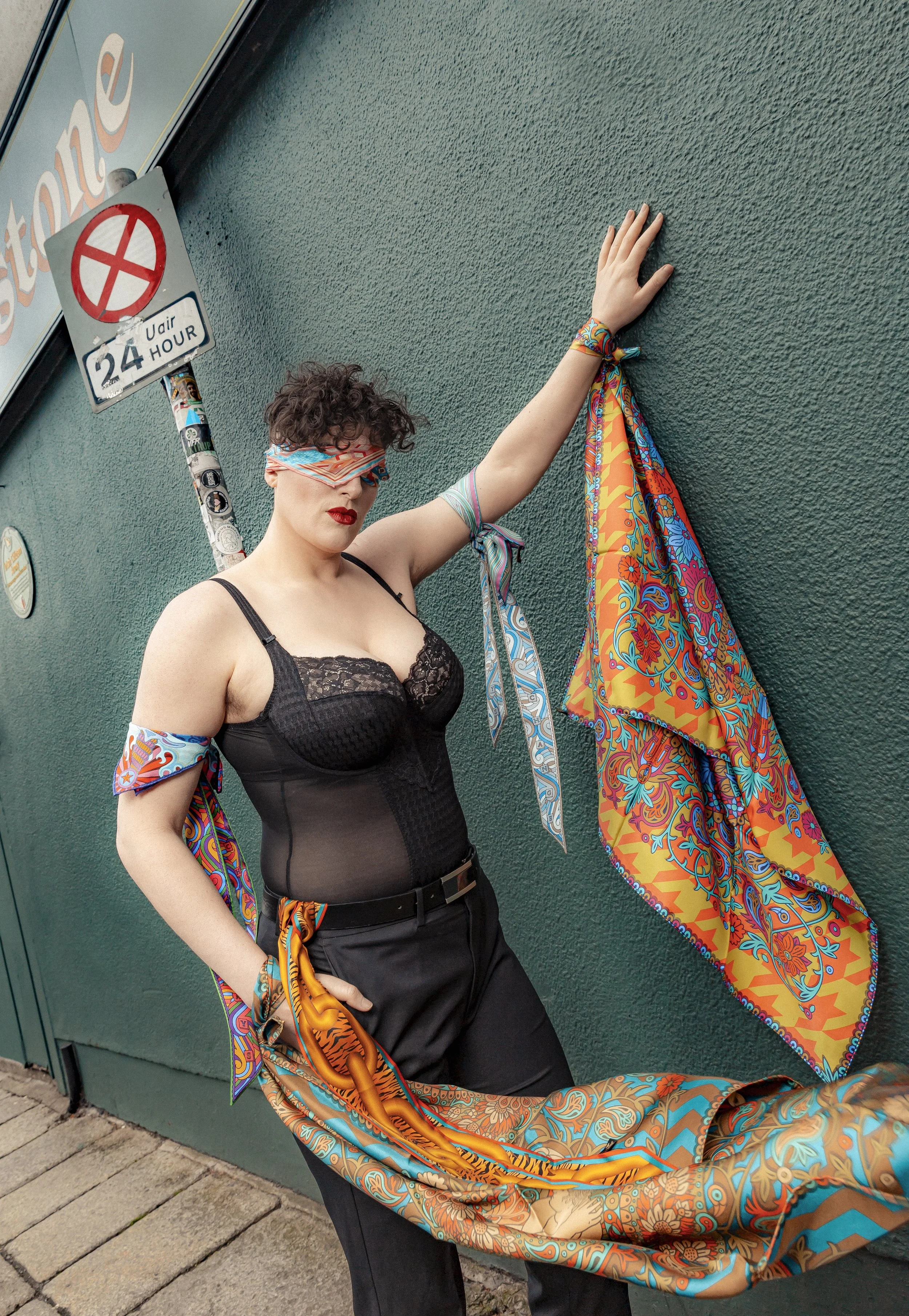

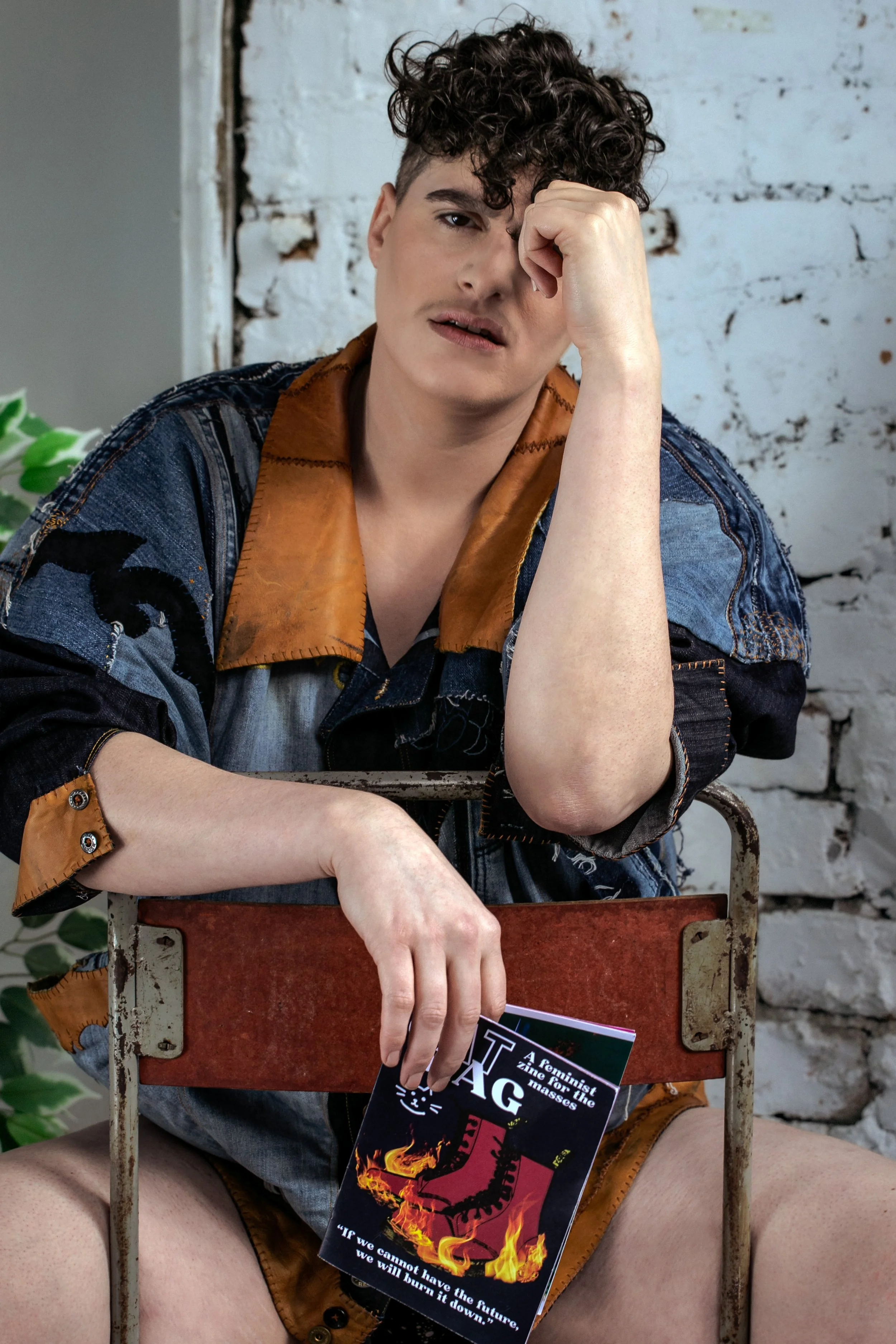
Within ICONIQA’s framing of queer excellence, Rain Dove resists thinking of excellence as a hierarchy. Excellence, to them, is not about achievement or visibility. It is about honesty. The quiet, often unseen act of refusing to abandon oneself. It exists in the small, interior moments: a realization, a decision, a refusal to fold under pressure. It exists in the nurse working double shifts, in the bartender painting their nails despite the risk, in the individual who holds onto truth even when it cannot yet be expressed. “To achieve queer excellence, you need only one qualification: to be honest with yourself about who you are and what you love.” That philosophy threads through their presence in front of the camera. Rain Dove does not perform for validation. They create a reflection. An opening. A moment where the viewer is forced into proximity with themselves. Their images carry no shame, no apology—only the possibility that the person looking might begin to question why they were taught to feel either.
Because at its core, their work is not about fashion. It is about permission. Permission to exist beyond language. Beyond categorization. Beyond the need to be understood in order to be accepted.“To achieve queer excellence, you need only one qualification: to be honest with yourself about who you are and what you love.”
Even their long-term vision resists spectacle. Rain Dove does not seek to remain radical. They seek to become ordinary. To reach a point where fluidity no longer provokes, where expression no longer requires explanation, where identity is no longer negotiated in public space. A world where this work becomes—by their own definition—“boring.” Until then, they remain in motion. Writing, building, expanding—developing new platforms for creators, new ways of redistributing visibility and value, new narratives that move beyond the limits of gendered language altogether.But beneath all of it—beneath the shapeshifting, the strategy, the visibility—there is a single, consistent throughline. “I am I.” they explain. It is not a statement of defiance. It is a fact. And in a world still structured around defining, labeling, and containing, that simple assertion remains one of the most disruptive acts there is.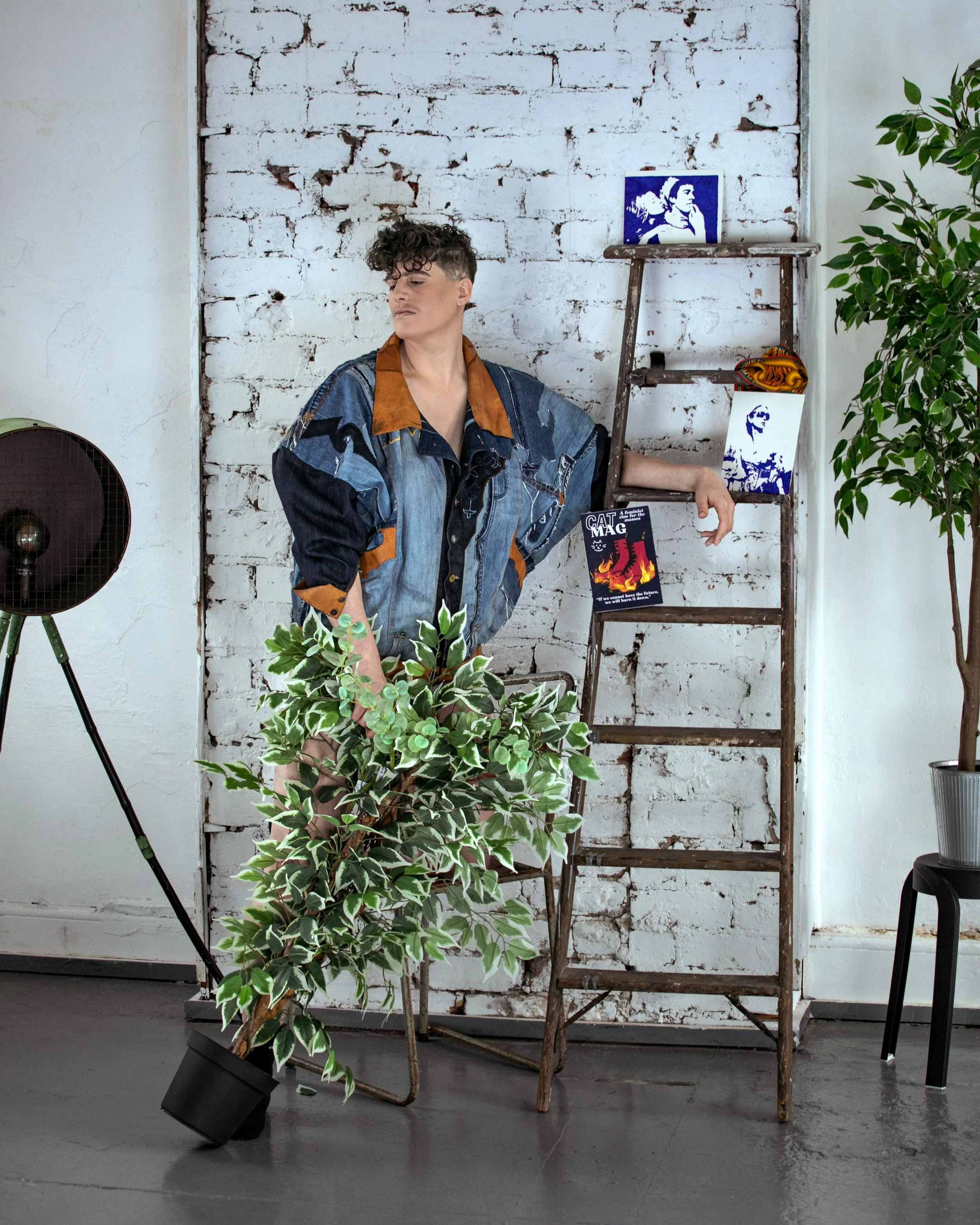
Credits
Story: Levi Rodriguez @itslikethejeansHuman: Rain Dove @raindovemodelPHOTO SET 1Photo: Niamh Barry @narryphotographyvidsPhoto Assistance: Alex Coppinger @alexdelchillMakeup: Leah Lavelle MUA @leahlavelle.mua
PHOTO SET 2Photo: Jure Perisic @jureperisicPhoto Assistance: Silvio Ivkic @otherworldlydelightsMakeup: Miss Cruz Make Up @misscruzmakeup