
Glamour, Reinvention, and the Currency of Cool
human: Dianne Brill | New York, The states
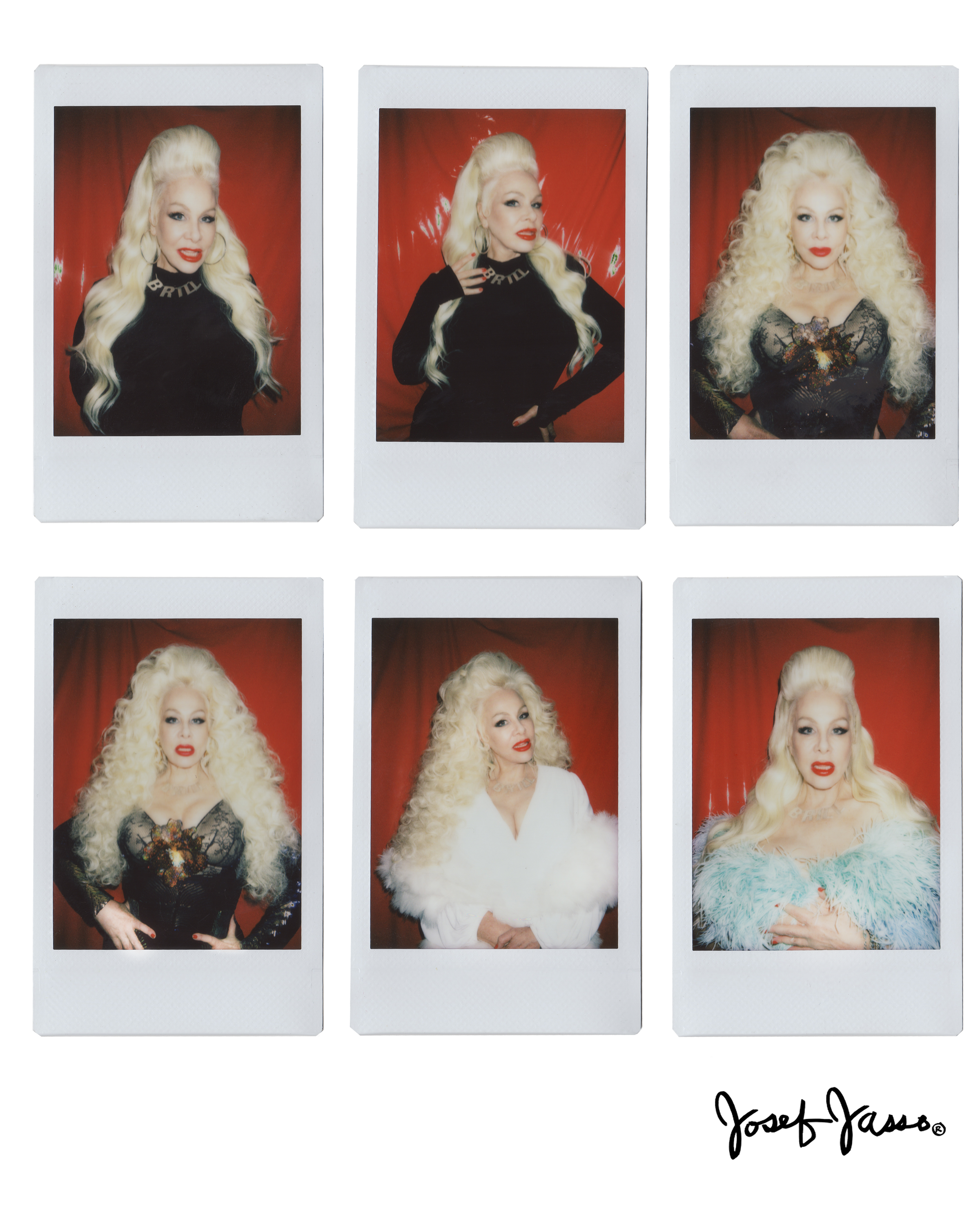
For Dianne Brill, New York did not simply open a door. It recognized her.
[ EN ]The first time she stepped into downtown on her own, something shifted. “I felt an integral shift,” she recalls, describing the sensation less as arrival than recognition. The city gave her a feeling of belonging, a place where she could be “understood and adored simply by being my absolute authentic no faking self.” What followed was not just a life in nightlife, but a life shaped by the belief that self-expression could be a full-time practice.Brill came of age inside a downtown scene that has since become mythic: Danceteria, the Mudd Club, Area. Clubs where art, fashion, music, sex, and queer imagination did not sit in separate rooms, but collided nightly under the same lights. From her perspective, what made that world electric was not only the talent, but the permission. “The people!” she says. “We were a totally supportive group who encouraged each other to try all.” Failure was not something to hide from. It was simply another starting point. In that environment, to dress, speak, dance, perform, flirt, and experiment was to participate in a collective act of creation.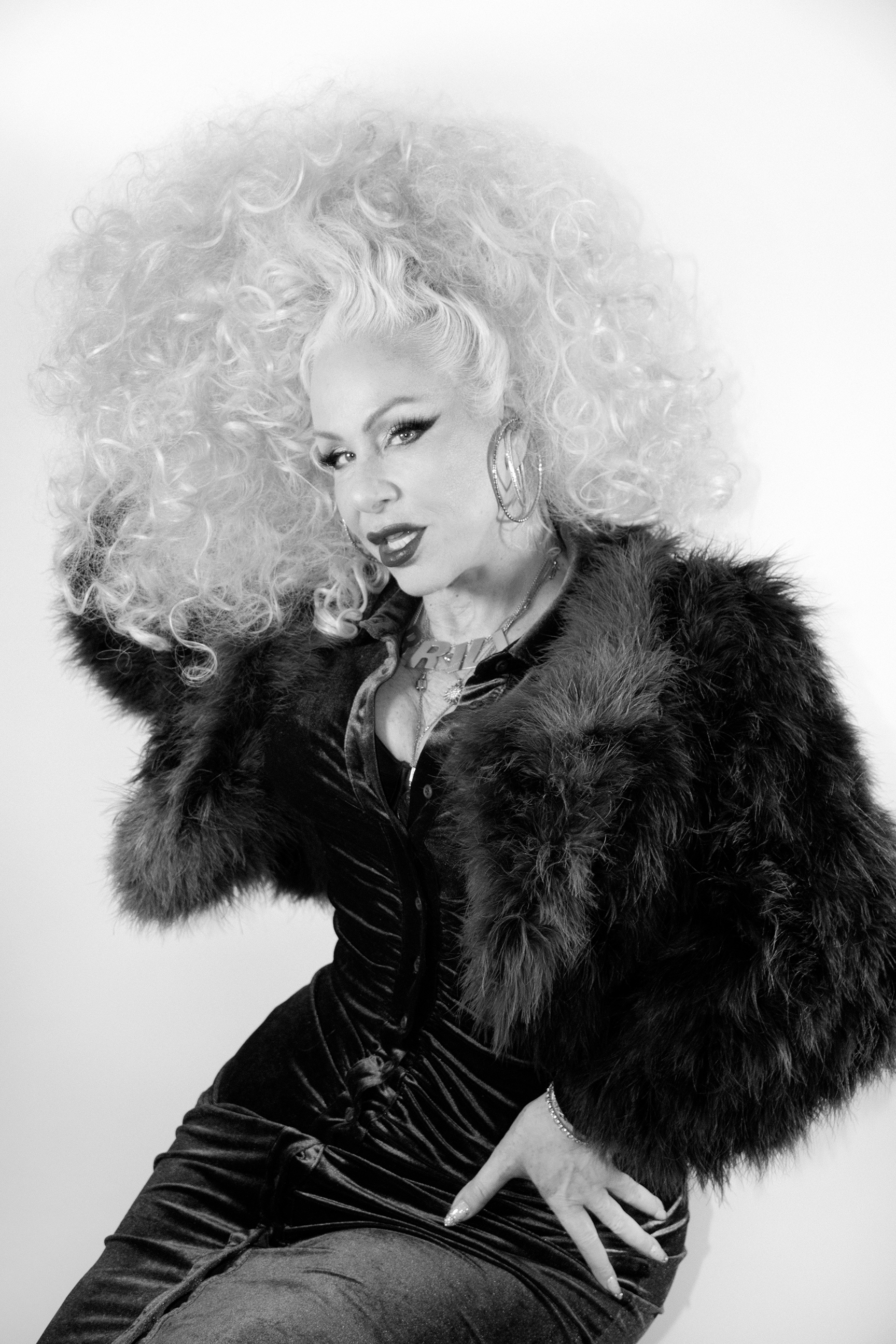
That is what made the scene more than a party. It was a system of mutual encouragement, built by people who understood that invention requires safety. “No thoughts unexpressed,” Brill says. “Opinions yes but no judgment.” Within that freedom, culture moved quickly. Ideas passed from club to runway to gallery to screen, not through strategy, but through friendship, proximity, and play.“Money was not important and was not respected. Cool was respected. Being creative and clear and authentic was your currency.”
Her own place within that world became legendary. Andy Warhol called her the “Queen of the Night,” and the title stayed. It still follows her now, shorthand for a presence that was never passive. Brill was not simply attending the scene. She was helping define its codes: glamour as language, confidence as architecture, nightlife as a stage where identity could be revised in real time.Surrounded by figures like Warhol, Keith Haring, and Jean-Michel Basquiat, Brill remembers less hierarchy than intimacy. “Friends having fun and really liking each other in a kind of childlike way,” she says. Innocent, even, “but more sexy of course.” That balance feels essential to how she describes the era: playful but serious, glamorous but unpretentious, wild but deeply connected.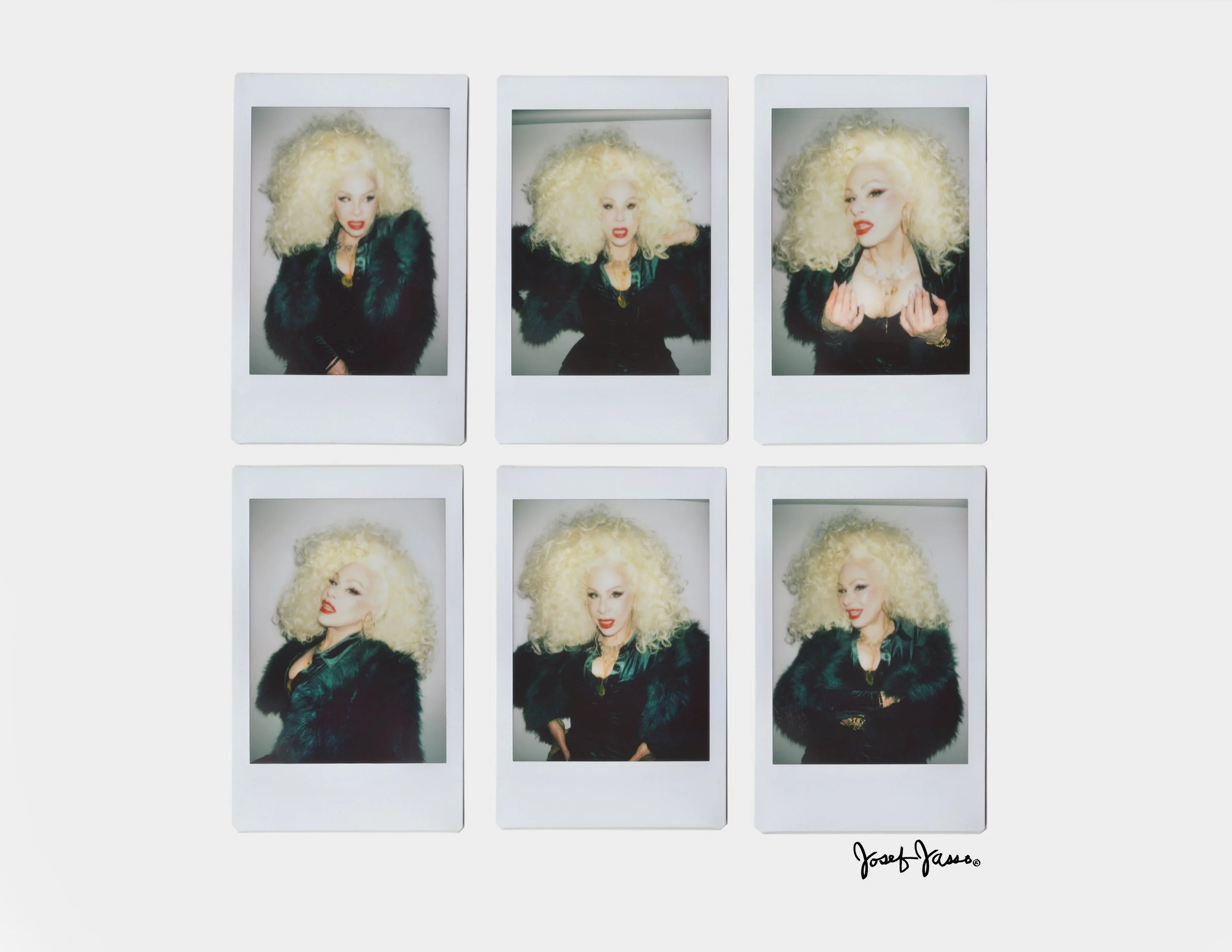
Fashion was central to that connection long before the clubs. As a child, Brill had a trunk of sparkly dress-up clothes that became a neighborhood treasure. Her mother bought her prom dresses and princess pieces, and she dove into them completely. That early devotion never left. “Being dressed up is an important part of my day,” she says. “Every day, every night out.” For Brill, glamour is not costume in the shallow sense. It is discipline. It is presentation sharpened into power."Fashion needs a heartbeat, not just a good editor."
That belief deepened through her work with designers like Thierry Mugler and Jean Paul Gaultier, during a period when fashion understood spectacle as substance. Mugler, especially, remains central to her memory. “He was the real thing,” she says, “a real artist of the theater of fashion.” As his muse for nine years, Brill understood fashion not as product, but as performance, transformation, and ignition. Mugler knew “how to dress a woman to empower and ignite her in a room.” That kind of fashion had a heartbeat.
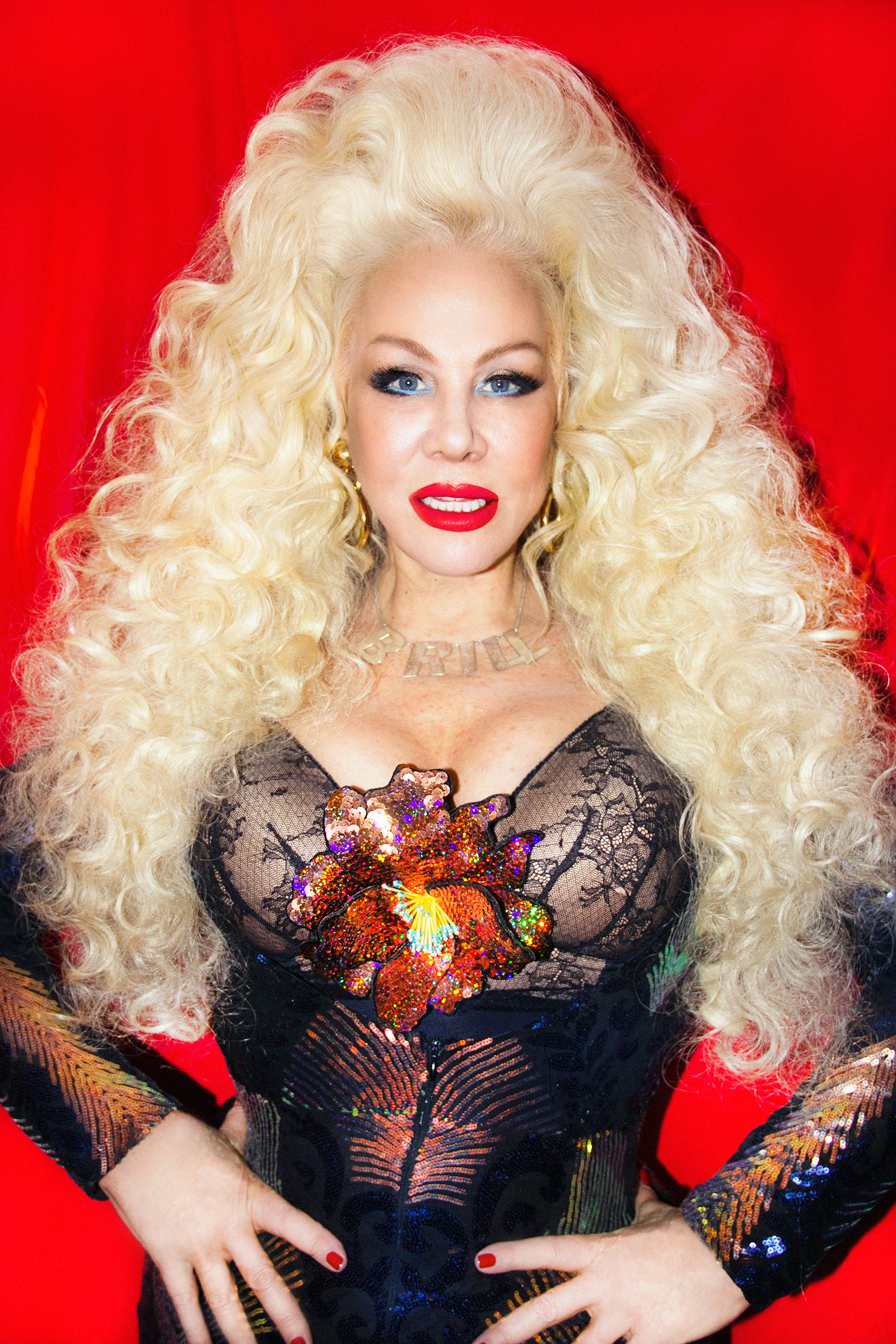
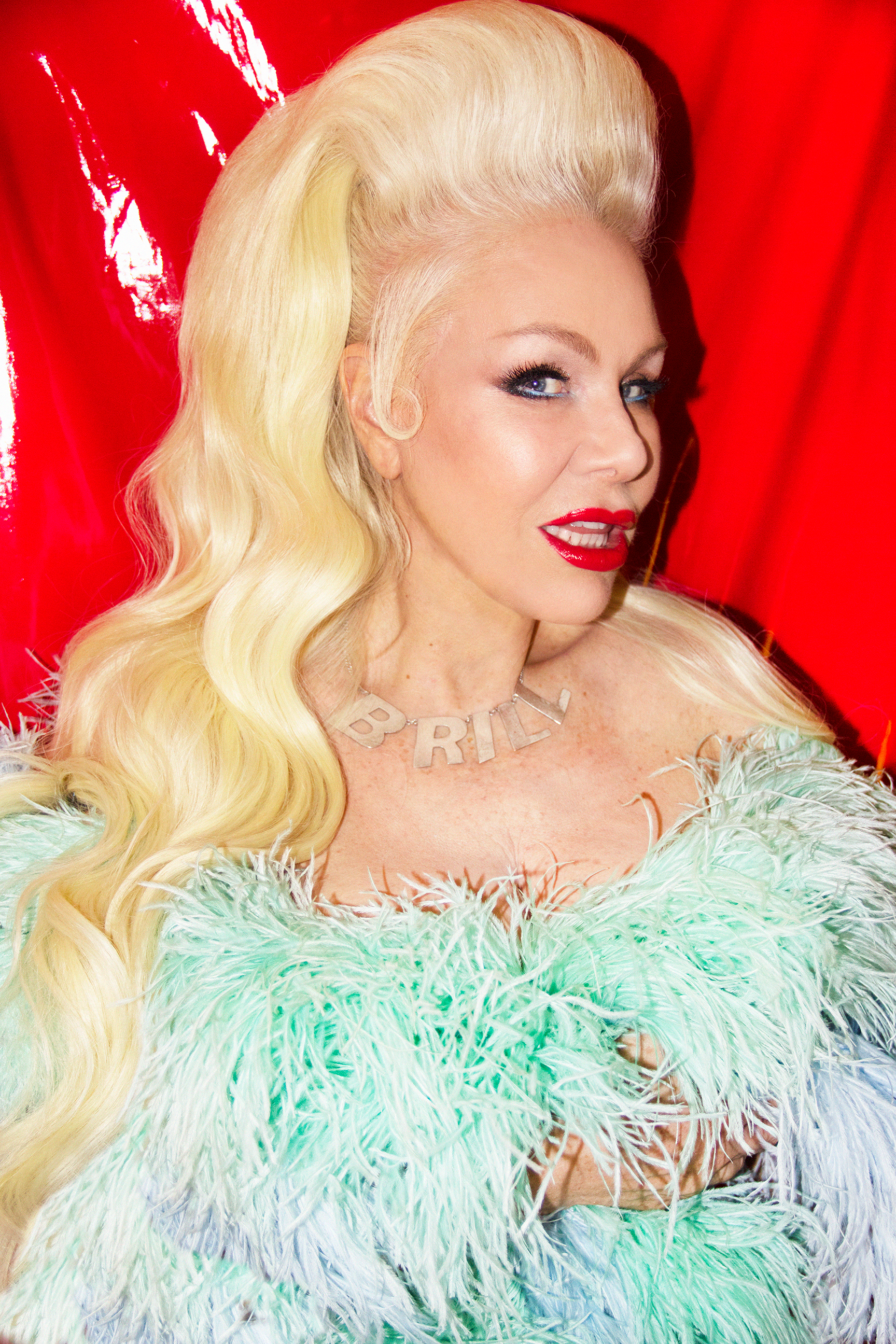
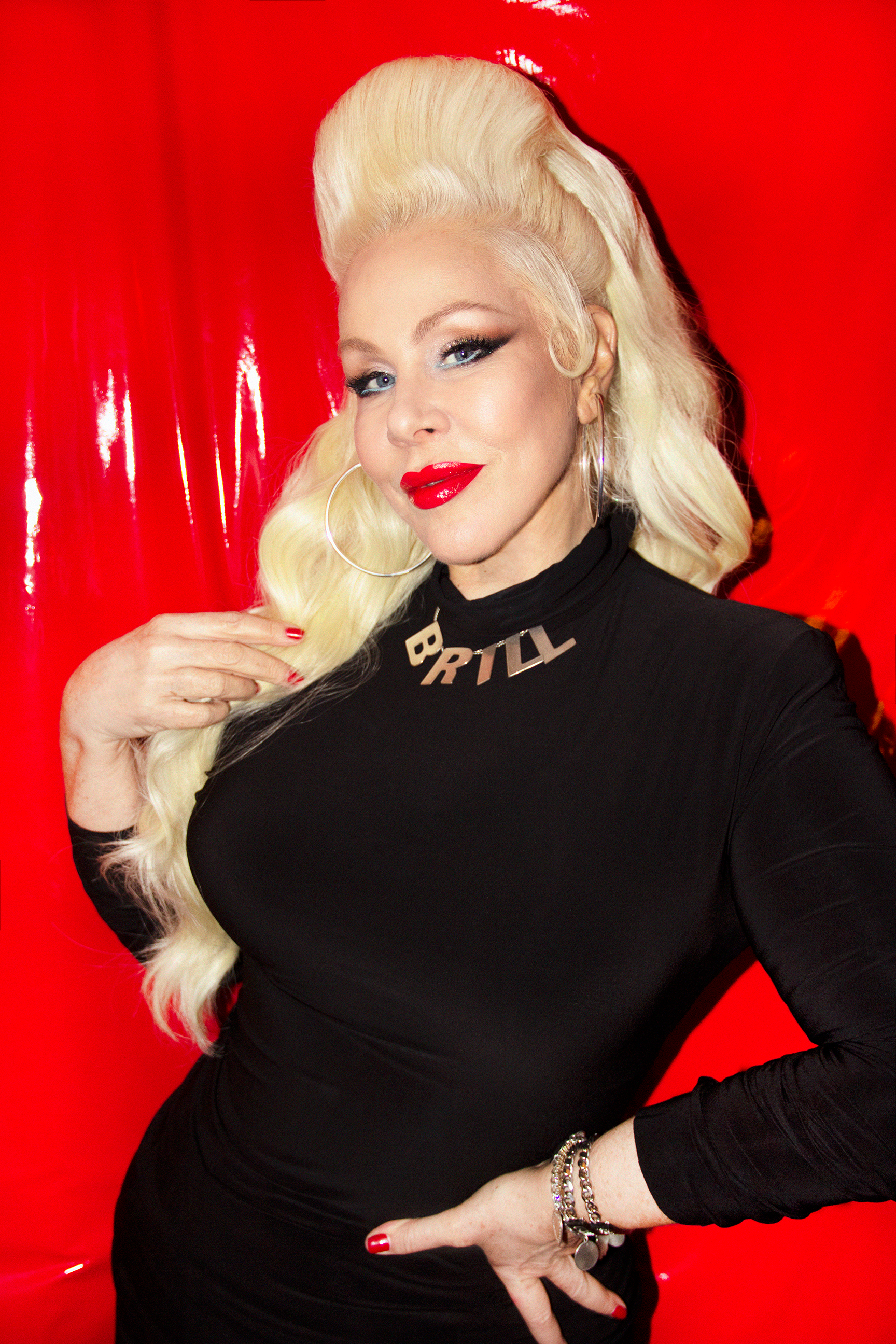
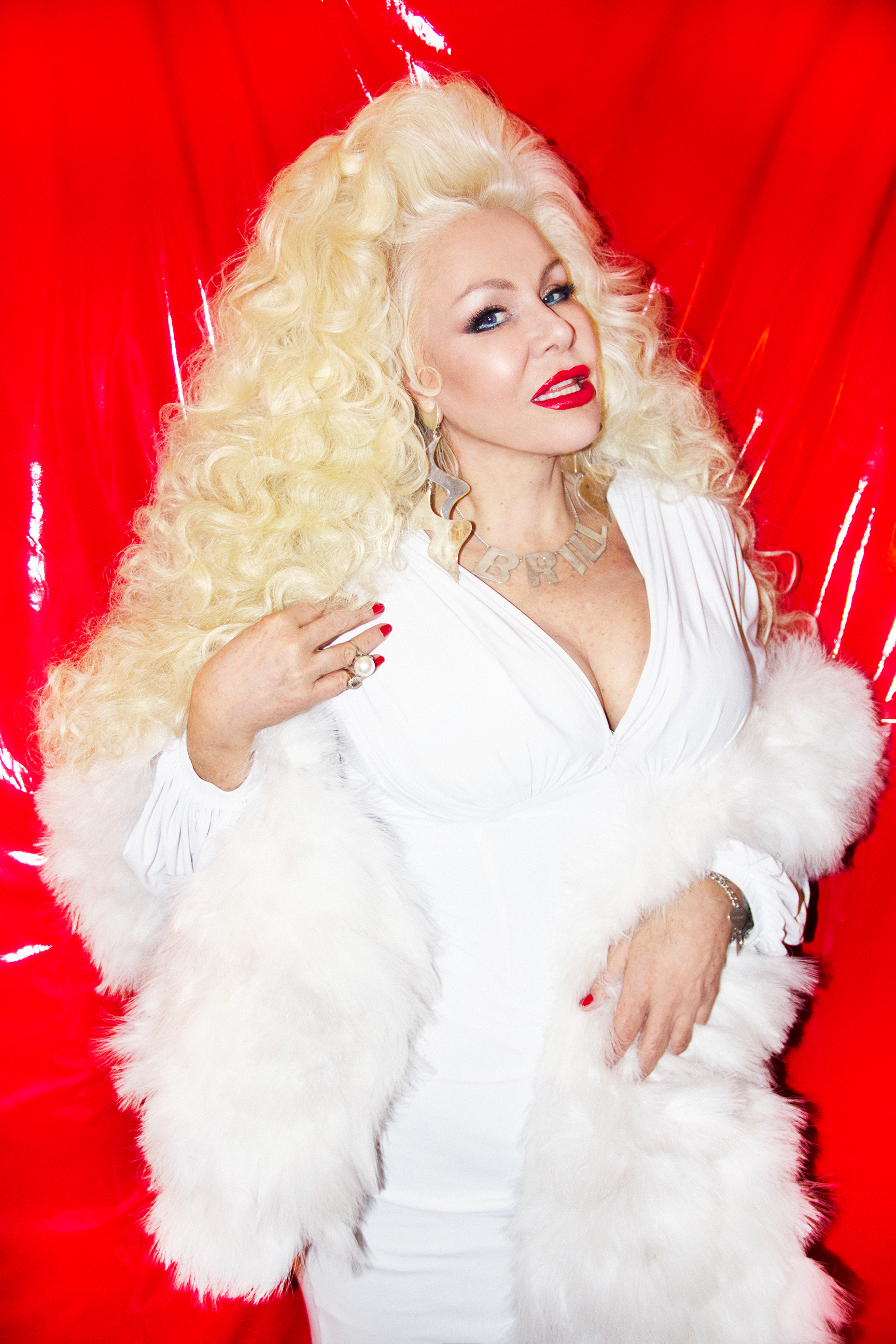
It is also why she speaks so directly about what she sees as missing now. In her view, corporate control has flattened both fashion and nightlife, prioritizing speed, sales, and curation over the nurturing of actual artists. “Fashion needs a heartbeat,” she says, “not just a good editor.” It is a sharp critique, but one rooted in lived knowledge. Brill knows what happens when artists are given room to build worlds rather than feed systems.Her understanding of queer excellence comes from that same place. To her, queer culture offers a model of fairness, unity, and support that other counter cultures often fail to sustain. It is not only about identity, but behavior: the way people hold each other, make room for each other, and allow each other to become. “There is a fairness and a unity and support,” she says, “that other counter cultures do not offer.”"Just be yourself. Which one? The you of the moment that you feel the best being."
That sense of becoming remains active for her. Brill does not speak about reinvention as something behind her. She is in one now. “Reinvention in its early steps needs community,” she says, and nightlife has always been where the misunderstood and the misfit could gather, not to be corrected, but to be witnessed. In her view, queer culture is where progression lives because it holds open-mindedness and tolerance as creative conditions.Longevity, for Brill, comes from refusing to become fixed. Across modeling, fashion design, writing, beauty, and performance, she has followed feeling over formula. “I am chasing a feeling authentically,” she says. “I won’t give up until all I want to realize happens in some way large or small.” That pursuit is what keeps her connected to both the past and the future. Pop people, as she puts it, adapt. They carry the “past diamonds” forward and let them sparkle again in new light.What younger generations often misunderstand about the 1980s club scene, she says, is the role money played—or did not play. “Money was not important and was not respected. Cool was respected.” Creativity, clarity, and authenticity were the currency. Not followers. Not access. Not capital. Cool.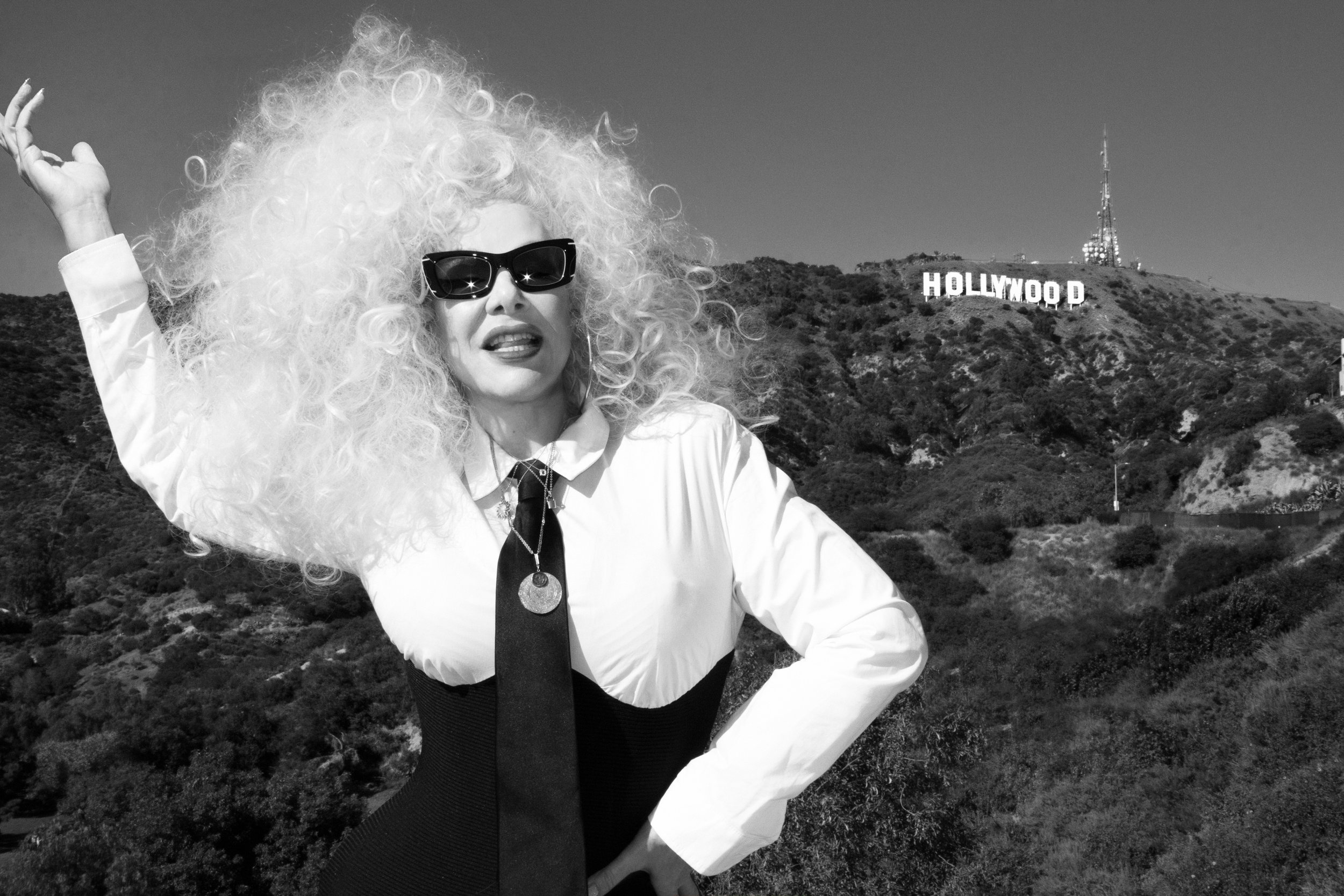
And still, Brill is not interested in nostalgia as a museum. She sees queer culture’s movement from underground spaces into fashion and media as necessary, even overdue. “Queer culture is the best culture to adapt,” she says, “and should be at the lead in expression in fashion, music, art and writing.” What excites her most now is when queer artists remain rooted as success arrives—when visibility does not harden into arrogance, and recognition does not sever people from the communities that shaped them."Trust yourself, try different versions of yourself and be ready to try again. You will find yourself, reinvent yourself, and adore that person you are embracing at any moment in your life."
For those encountering Dianne Brill for the first time, the message is direct and glittering with experience: trust yourself. Try different versions of yourself. Be ready to try again. The self is not a single destination, but a series of moments, each one asking to be dressed, adored, revised, and lived honestly.“Just be yourself,” she says. “Which one? The you of the moment that you feel the best being.” And then, with the finality of someone who knows glamour should never lose its sense of humor: “Be true, have principles, and please stop saying slay so much. Find your own word and use that until the rest of us do.”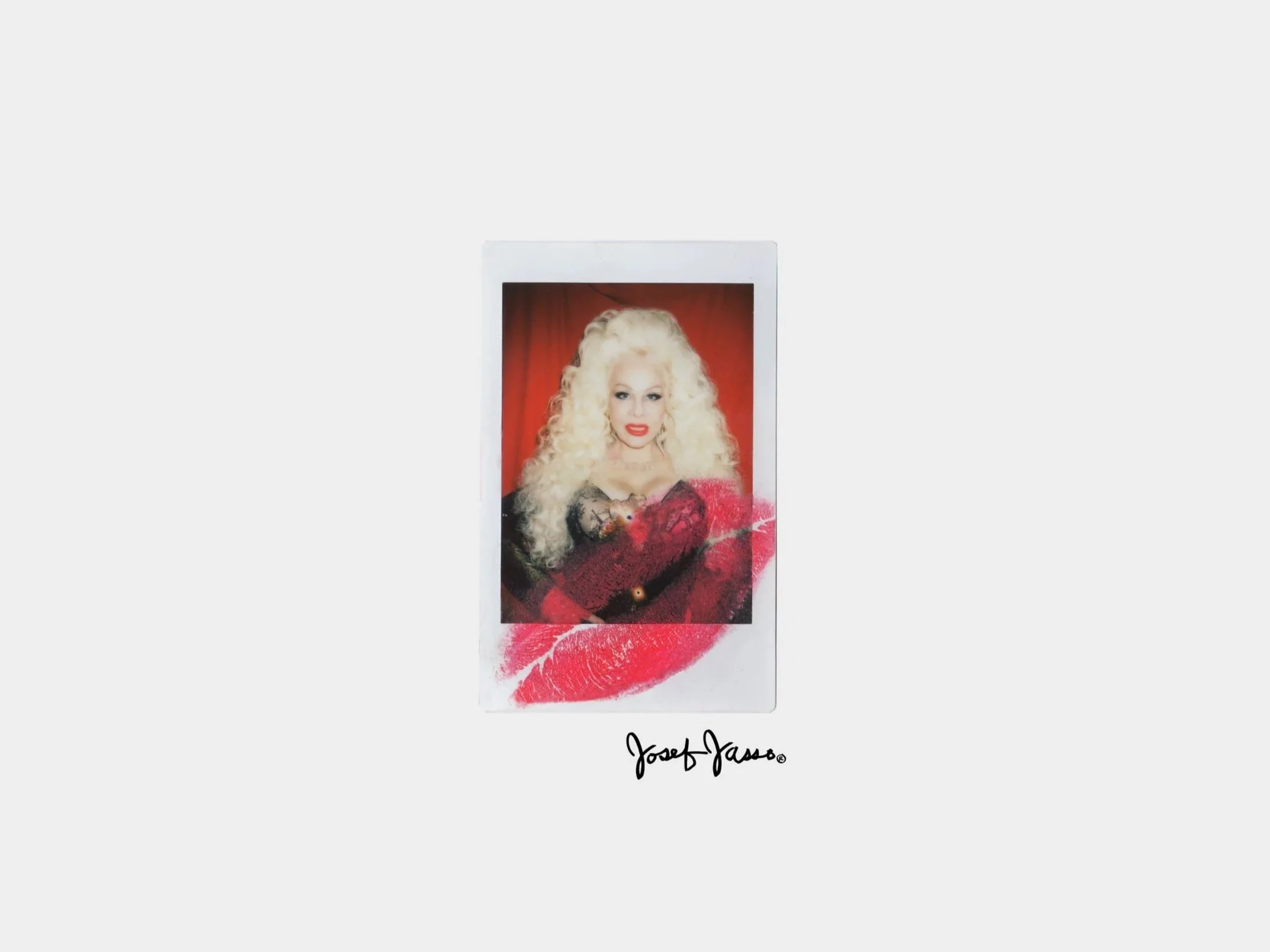
Credits
Human: Dianne Brill @diannebrillStory: Levi Rodriguez @itslikethejeans Photo: Josef Jasso @josefjassophotoHair: Lorenzo Diaz @lorenzodiazhair