
Building from Fragmentation
Human: Dornika | Tehran, Iran
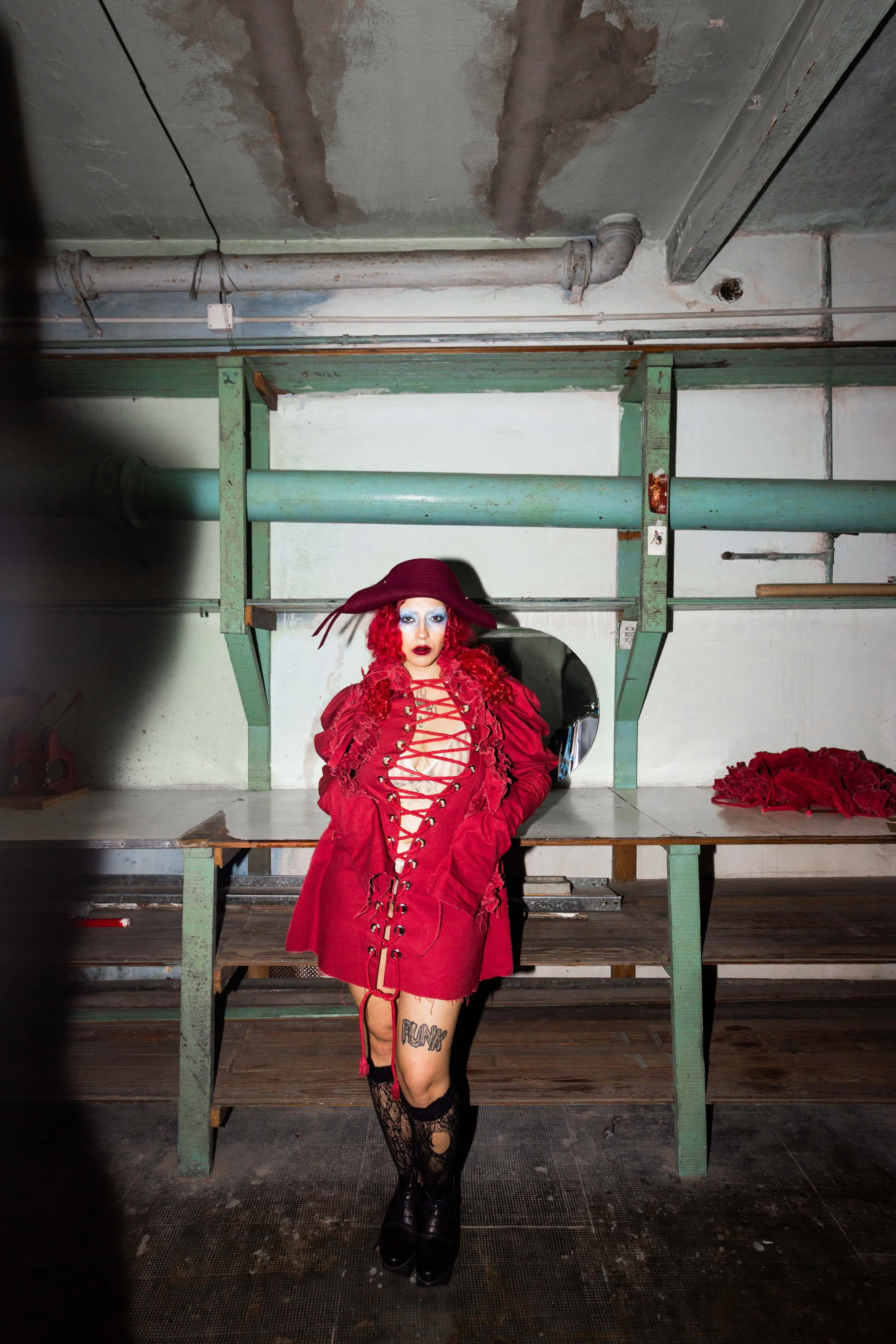
[ EN ]Dornika’s story does not begin in Berlin. It begins in movement—across borders, across identities, across versions of self that never fully settled into one place. Born in Tehran, raised between Iran and the United States, and later relocating to Berlin, her life has been shaped by constant adaptation. “I often felt like an outsider,” she reflects, describing a childhood defined by cultural dissonance and emotional surveillance. In environments where expression was restricted and visibility came with risk, art became a private language—one that allowed her to remain intact when the outside world demanded fragmentation. Before there were stages, there were mirrors. Before there were audiences, there were bedroom performances—dancing, writing, imagining a life that felt just out of reach. In Iran, where singing and dancing publicly as a woman was forbidden, those early instincts were suppressed, redirected, delayed. For a time, the dream was put aside entirely. It would take years—and distance—for it to resurface.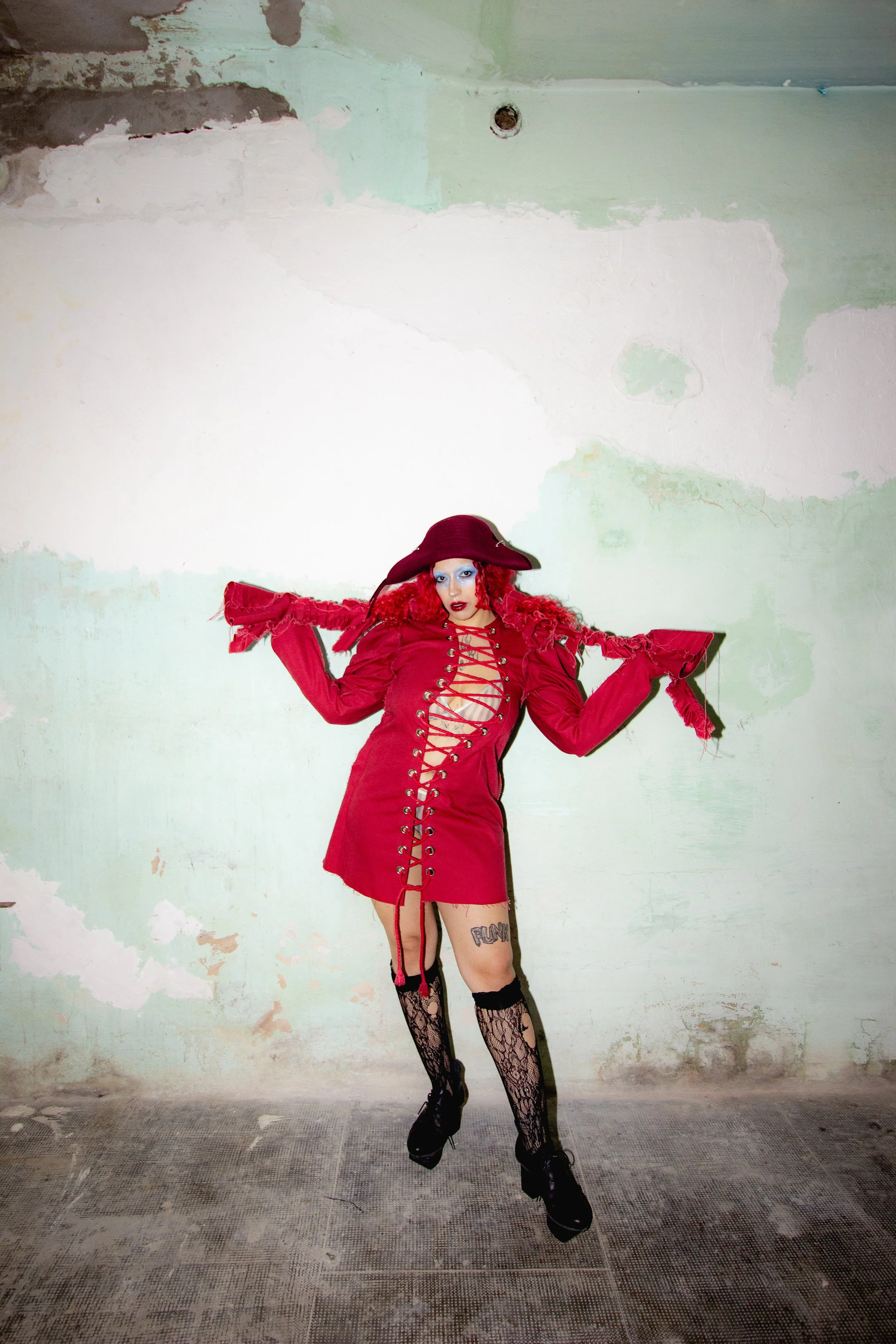
That shift began in Berlin.What Dornika found there was not just a city, but a rupture. A reintroduction to possibility. Drawn into the orbit of queer nightlife after a chance encounter at a Berghain show, she stepped onto a stage for the first time at a drag performance—dancing in front of hundreds of people with no precedent, no roadmap. “I immediately felt at home,” she says.The significance of that moment is not just about performance. It is about permission.In Berlin’s queer spaces, Dornika encountered something she had rarely experienced before: affirmation without condition. Voguing offered power. Drag offered expansion. The community itself offered reflection—a mirror that did not distort, but clarified. Surrounded by people willing to participate in each other’s fantasies, she found the freedom to experiment not just artistically, but personally.That sense of multiplicity now defines her work. Music, fashion, performance, activism—these are not separate disciplines, but components of a single, immersive language. Dornika does not approach creation linearly. A concept might begin as a visual, a sound, a feeling—unfolding simultaneously across mediums. “It’s more about thinking of the world I want to make,” she explains, rather than isolating individual outputs.This world-building instinct is rooted in contradiction.“Keeping my spirit alive and making things for me is the most revolutionary act I can do right now”
Her sound moves between dark electronic, hyperpop, and club influences—not as an aesthetic choice, but as a reflection of lived experience. Different sonic textures allow her to hold multiple emotional states at once: tension and release, grief and pleasure, resistance and escape. In the same way, her performances operate between catharsis and confrontation—spaces where audiences are invited not just to witness, but to process.Because for Dornika, art is not neutral. It is entangled with politics, whether she intends it to be or not.Early influences—like an activist literature teacher in Iran—instilled a sense of responsibility that continues to shape her work. Her music often engages with themes of gender, autonomy, and justice, but her relationship to activism is evolving. Where she once felt compelled to make overt statements, she now questions that expectation entirely. “Keeping my spirit alive and making things for me is the most revolutionary act I can do right now,” she says.
That shift reflects a broader interrogation of identity itself.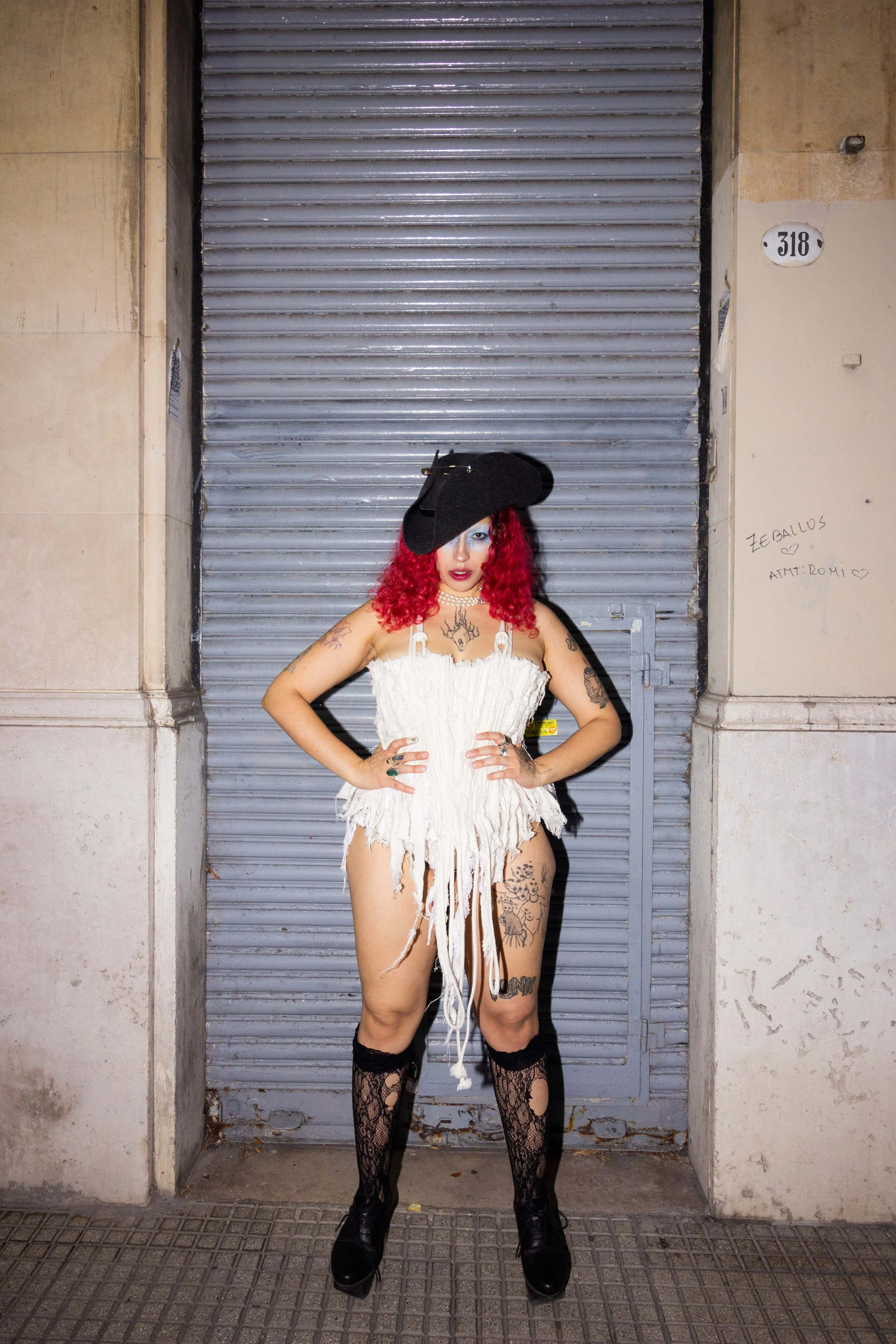
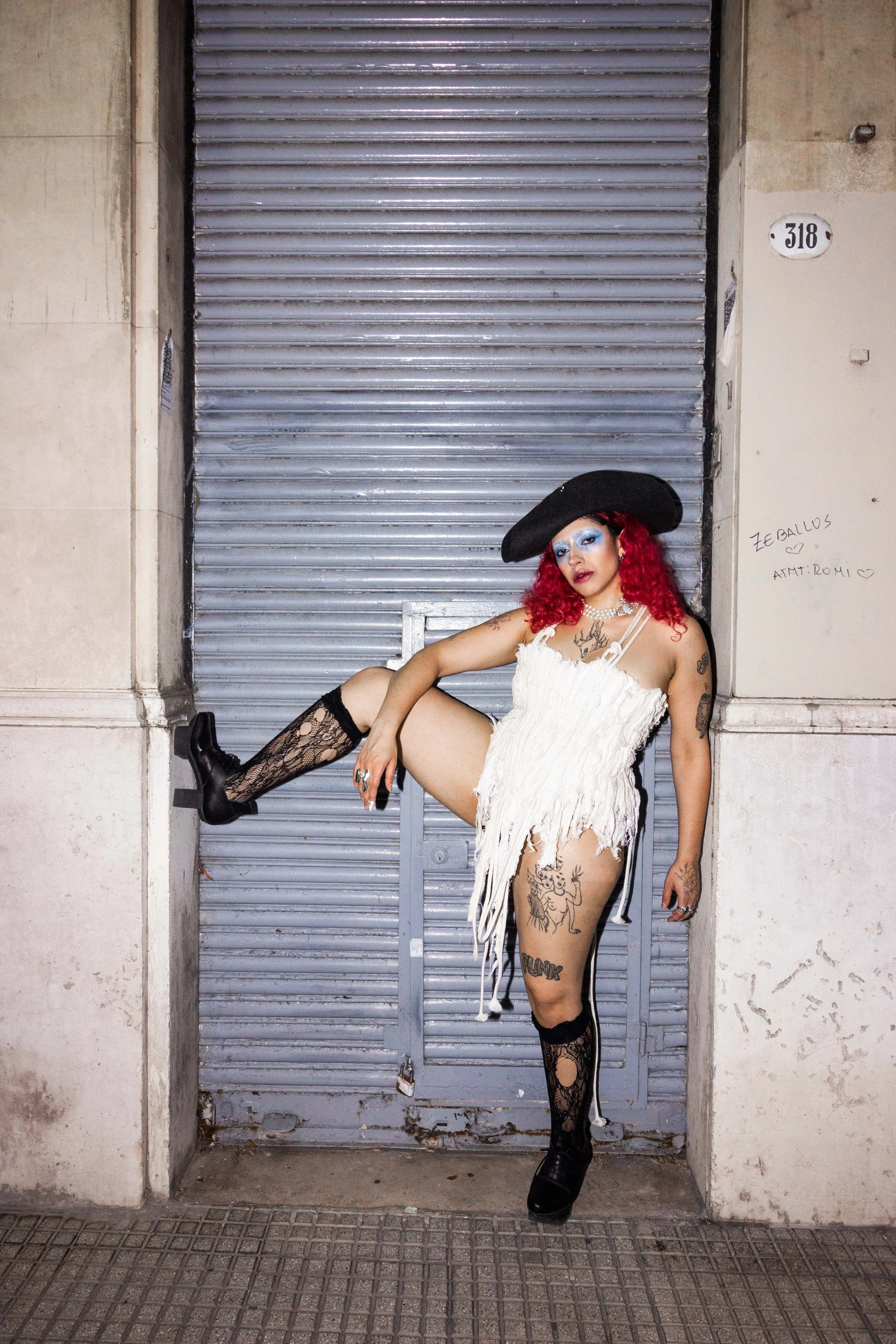
Having lived across vastly different cultural systems, Dornika resists fixed definitions of self. Nationality, gender, belonging—these categories feel unstable, contingent, often imposed. Instead, she moves toward a more fluid understanding of identity, one shaped by context, imagination, and lived experience rather than external validation. The result is both liberating and disorienting—a constant negotiation between freedom and fragmentation. This tension extends into her critique of what she describes as “identity capitalism”—the pressure to define, explain, and position oneself within rigid frameworks in order to be legible. For Dornika, true freedom lies elsewhere: in the ability to exist without constant categorization, without hierarchy, without explanation.And yet, her work remains deeply connected to community.“It’s more about thinking of the world I want to make”
The club scene—particularly queer nightlife—has become both a creative incubator and a site of affirmation. Performing for crowds of thousands, from underground parties to major Pride stages, has reinforced her sense of purpose. Not because of scale, but because of exchange—the immediate, physical dialogue between artist and audience. “People in these spaces are open to authentic connection,” she notes, describing the unique vulnerability and energy of queer dance floors.Still, nothing about this path is uncomplicated.Dornika speaks openly about the instability of sustaining an artistic career, particularly one that exists outside of mainstream frameworks. The industry, she notes, often struggles to place her—“not mainstream enough or edgy enough”—leaving her in a constant state of precarity. In that context, persistence itself becomes an act of resistance. To continue creating, to continue existing, is to refuse erasure.That insistence carries into how she defines queer excellence. Not as perfection. Not as visibility. But as trust—trusting the parts of oneself that do not yet have language, that do not fit within existing structures. It is about pushing forward despite uncertainty, despite lack of validation, despite systems that were never designed to hold you. “Authenticity coming from the heart and being persistent,” she says.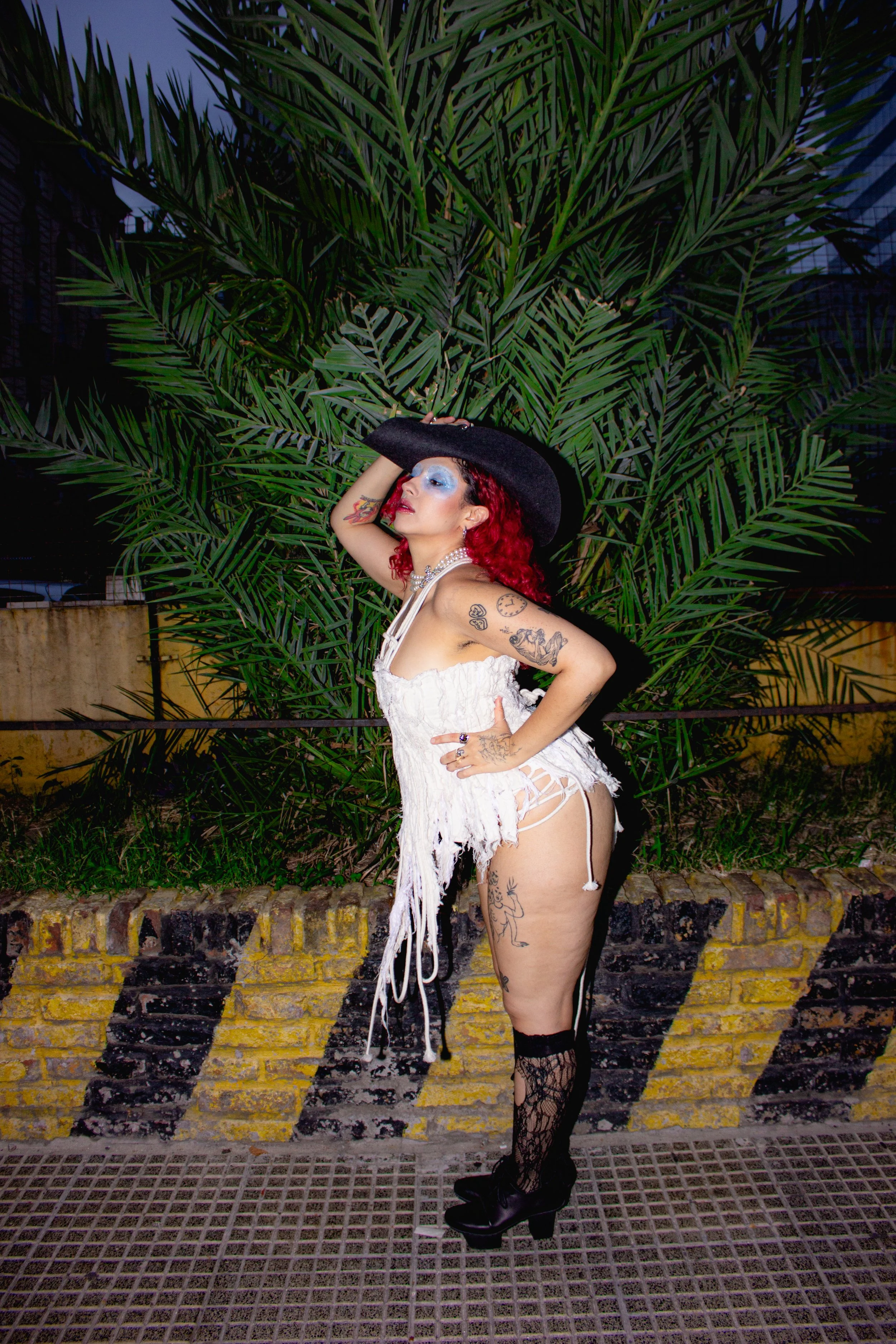
Looking ahead, Dornika’s vision expands beyond individual work into speculative worlds. A queer pirate ship. Alternative spiritual systems. New forms of community built outside patriarchal and institutional frameworks. These are not just concepts—they are propositions. Ways of imagining life beyond the constraints that shaped her early years. And yet, for all its scale—across stages, cities, and disciplines—Dornika’s work returns to something much more intimate. Not resolution, but continuation.A refusal to disappear. A refusal to be reduced.In a world that has repeatedly attempted to define, limit, or silence her, the act of continuing—of creating, of performing, of imagining otherwise—becomes its own form of defiance. Not loud for the sake of it, but steady. Intentional. Unrelenting. Because if there is a throughline in Dornika’s work, it is not perfection or clarity. It is persistence. And the belief that even in fragmentation, something whole can still be built.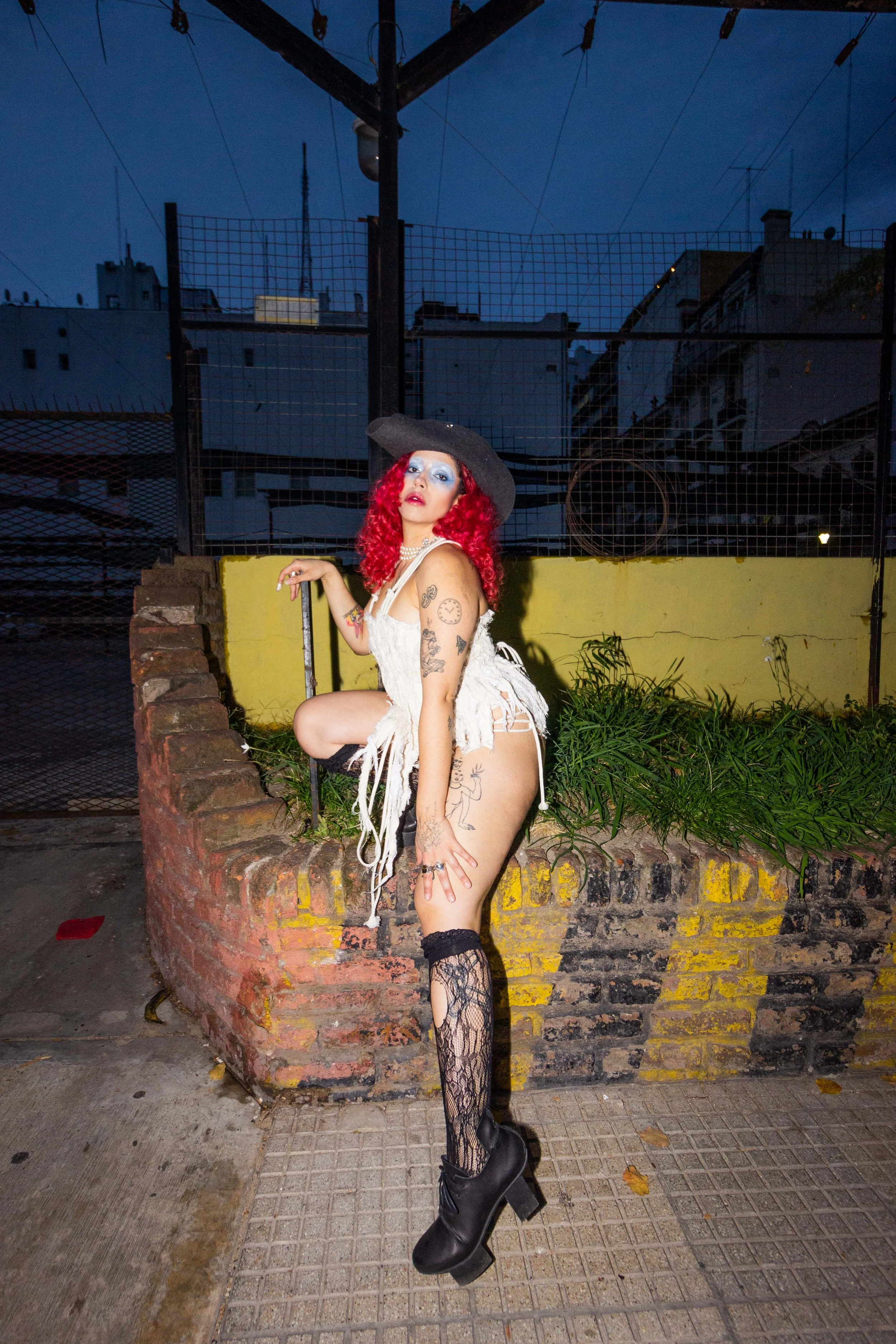
[ فارسی ]
سرآغاز داستان دورنیکا از برلین نبوده است. دورنیکا از همان ابتدا میان مرزها و هویتهای مختلف در حرکت بود و در میان گونههای متفاوت خود هرگز در یکجا زمینگیر نشد. متولد تهران، بزرگ شده میان ایران و ایالات متحده و بعدها در برلین، زندگیاش مدام در حال سازگار شدن بوده است. او در توصیف یک کودکی تعریف شده با ناهماهنگی فرهنگی و نظارت عاطفی می اندیشد:"معمولا احساس میکردم که بیگانه هستم".. در محیطی که آزادی بیان بیمعنی بود و دیده شدن خطرناک، هنر برای او تبدیل به زبانی خصوصی شد؛ زبانی که به او اجازه میداد در حالی که جهان بیرون از او فروپاشی و تکهتکه شدن میخواست، همچنان یکپارچه باقی بماند.
قبل از صحنهها، آینه بود و قبل از تماشاگر، اجرا در اتاق خواب. رقصیدن، نوشتن و تصور دنیایی که همیشه دور از دسترس به نظر میرسید. در ایران، جایی که زن اجازه خواندن یا رقصیدن را در عموم نداشت، غریزههای اولیه خفه شده، تحریف شده و به تعویق افتاده بود. برای مدتی، رویایش کاملا کنار گذاشته شد. برای دوباره شکوفا شدنش نیاز به سالها زمان و کیلومترها فاصله بود. این شکوفایی در برلین جان گرفت.
دورنیکا آنچه آنجا پیدا کرد فقط یک شهر نبود، بلکه نوعی گسست بود؛ بازگشتی دوباره به امکانها. پس از برخوردی اتفاقی در یکی از اجراهای برگهاین و کشیده شدن به مدار زندگی شبانهٔ کوییر، او برای نخستین بار روی صحنه رفت؛ در یک اجرای درگ، بیآنکه پیشینهای داشته باشد یا نقشهٔ راهی پیش رویش باشد، مقابل صدها نفر رقصید. او میگوید: " فورا احساس کردم که اینجا خانه من است."
"زنده نگه داشتن روحم و خلق کردن برای خودم انقلابیترین کاری است که در حال حاضر میتوانم انجام دهم."
اهمیت آن لحظه فقط در اجرا نبود؛ دربارهٔ اجازه داشتن بود. در فضاهای کوییر برلین، دورنیکا چیزی تجربه کرد که قبلا به ندرت تجربه کرده بود؛ پذیرفته شدن بدون چون و چرا. مدگرایی تبدیل به قدرت شد، درگ مجال گسترش میداد. جامعهای که به خودی خود مجال اندیشیدن میداد. آیینهای که او را تحریف نمیکرد، بلکه واضحتر نشان می داد. احاطه شده توسط افرادی که میل شرکت کردن در فانتزی همدیگر داشتند؛ به او آزادی آزمودن نه تنها بهصورت هنری بلکه به صورت شخصی میداد.
حال احساس چندگانگی اثر او را تعریف میکرد. موسیقی، فشن، پرفورمنس و کنشگری؛ اینها مدیومهای جدا از هم نیستند؛ بلکه عناصر یک زبان واحد و فراگیر هستند. دورنیکا به آفرینش به صورت خطی نگاه نمیکند. یک ایده ممکن است به شکل یک تصویر، یک صدا یا یک احساس آغاز شود و همزمان در رسانههای مختلف گسترش پیدا کند. او توضیح میدهد: "بیشتر از هر چیز، مسئله این اسمه که به دنیایی فکر میکنم که میخواهم بسازم."
این غریزهٔ جهانسازی، ریشه در تضاد دارد.
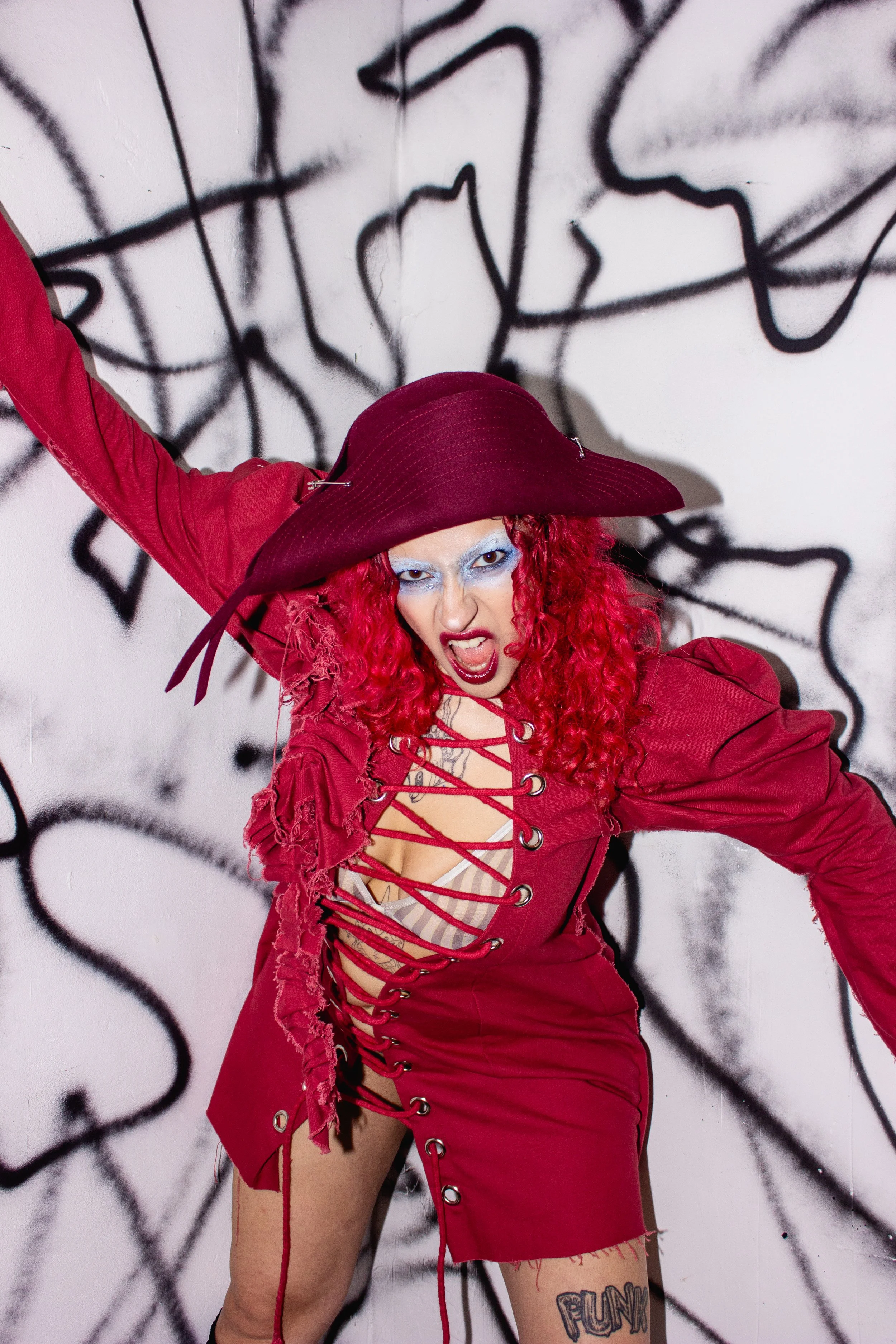
تاثیرات اولیه -مانند معلم ادبیاتی کنشگر در ایران- حس مسئولیتپذیری در او ایجاد کرد که همچنان در شکل دادن آثارش قابل لمس است. موسیقی او در مواقعی با تمهایی از جنسیت، خودمختاری و عدالت درآمیخته میشود هرچند رابطه او با کنشگری هنوز هم در حال تکامل یافتن است. جایی که در گذشته احساس میکرد که مجبور به اظهارنظرهای گسترده است، حال او به پردازش کامل همین اظهارات میپردازد. میگوید: "زنده نگه داشتن روحم و خلق کردن برای خودم انقلابیترین کاری است که در حال حاضر میتوانم انجام دهم.". آن تغییر، بازتاب پرسشی گستردهتر دربارهٔ خود هویت است.
او در سیستمهای فرهنگی کاملا متفاوتی زندگی کرده است و با این حال دورنیکا در مقابل داشتن تعریفی ثابت از خود مقاومت میکند؛ ملیت، جنسیت و متعلق بودن، دستهبندیهایی ناپایدار، مشروط و در اکثر مواقع تحمیل شده هستند. در عوض، او در فهمی روانتر از هویت متحرک است. هویتی شکل گرفته به واسطه زمینهای متفاوت، تخیل و تجربهٔ زنده به جای پذیرش خارجی. نتیجه هم رهاییبخش و هم سردرگم کننده، مذاکرهای میان آزادی و تکهتکه شدن.
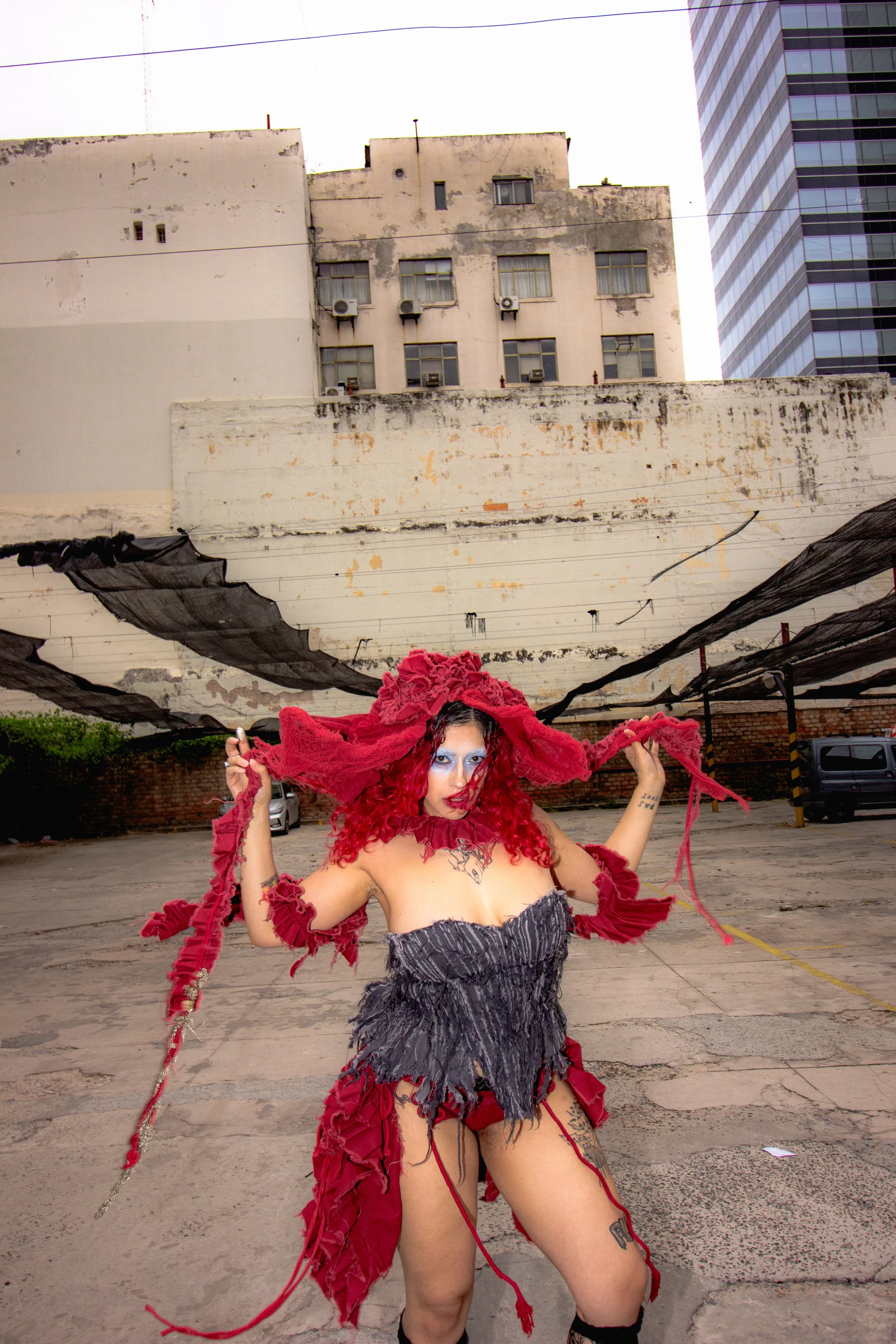
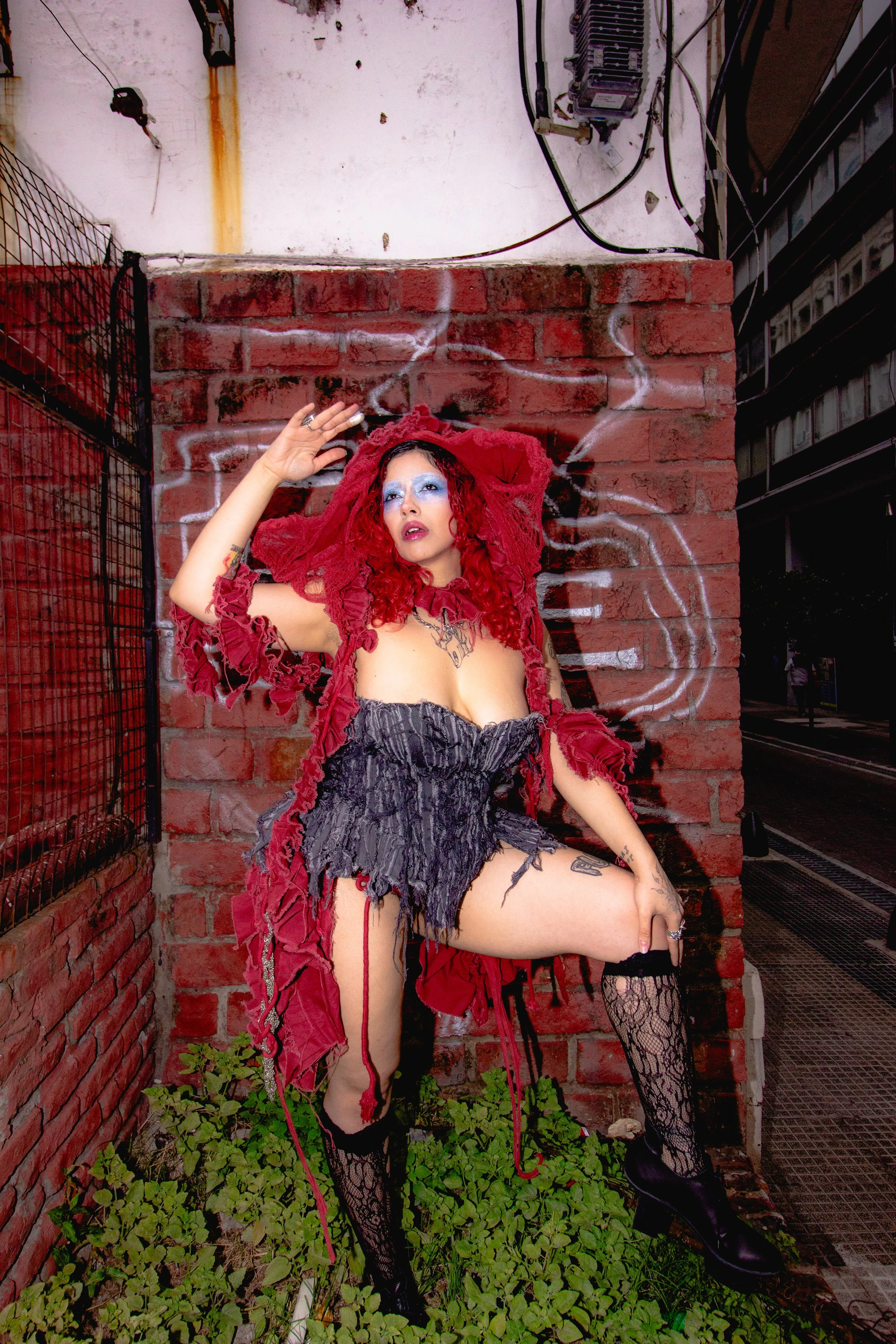
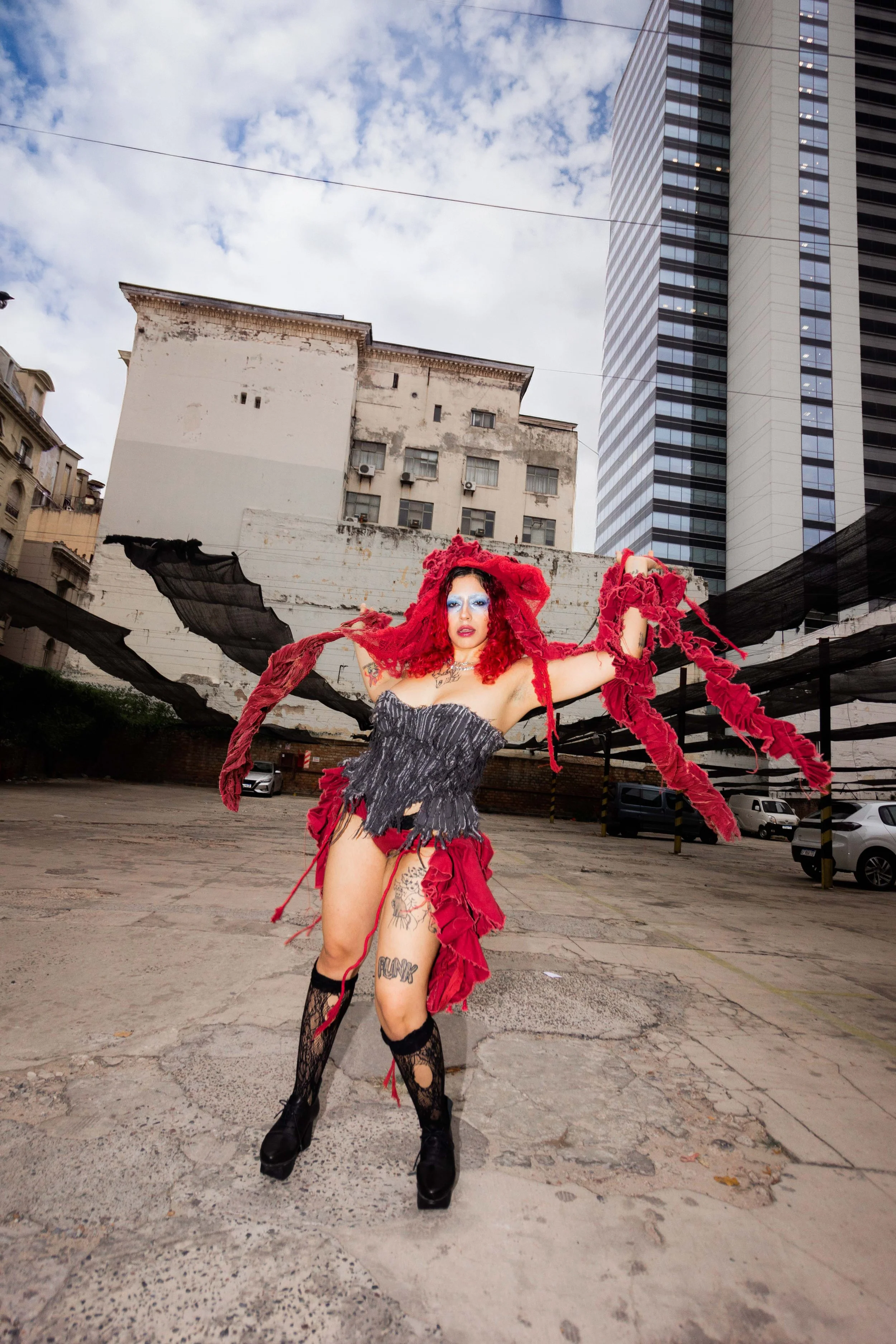
صحنهٔ کلاب -بهویژه زندگی شبانه کوییر- هم به بستری برای پرورش خلاقیت تبدیل شده و هم فضایی برای تایید و پذیرش. اجرا برای جمعیتهایی چند هزار نفری، از مهمانیهای زیرزمینی گرفته تا صحنههای بزرگ پراید، حس هدفمندی او را تقویت کرده است؛ نه به خاطر مقیاس این اجراها، بلکه بهخاطر تبادل میان او و مخاطب-گفتوگویی فوری و فیزیکی میان هنرمند و تماشاگر. او با اشاره به آسیبپذیری و انرژی منحصربهفرد فضاهای رقص کوییر میگوید:" آدمها در این فضاها پذیرای ارتباطی اصیل و واقعیاند.".
همچنان، هیچچیزی دربارهٔ این مسیر ساده نیست.
"بیشتر از هر چیز، مسئله این اسمه که به دنیایی فکر میکنم که میخواهم بسازم."
این پافشاری در شیوهای که او "برتری کوییر" را تعریف میکند نیز ادامه پیدا میکند؛ نه بهعنوان کمال، نه بهعنوان دیدهشدن، بلکه بهعنوان اعتماد-اعتماد به آن بخشهایی از وجود که هنوز زبانی برای بیان ندارند و در ساختارهای موجود نمیگنجند. این یعنی ادامه دادن، با وجود تردید، با وجود نبود تایید و اعتبار، و با وجود سیستمهایی که هرگز برای دربرگرفتن تو طراحی نشدهاند. او میگوید:"اصالت برخاسته از قلب، و پایدار ماندن.".
با نگاهی به آینده، چشمانداز دورنیکا از مرز آثار فراتر میرود و به جهانهایی خیالپردازانه و بدیل گسترش مییابد: یک کشتی دزدان دریایی کوییر، نظامهای معنوی جایگزین، و شکلهای تازهای از اجتماع که بیرون از چارچوبهای مردسالار و نهادینه ساخته میشوند. اینها صرفا ایده نیستند؛ بلکه پیشنهادند-راههایی برای تصور کردن زندگی، فراتر از محدودیتهایی که سالهای نخست زندگی او را شکل داده بودند. با اینهمه، با وجود تمام گستردگی کارش -در میان صحنهها، شهرها و رشتههای مختلف- آثار دورنیکا دوباره به چیزی بسیار صمیمیتر بازمیگردند: نه به حلوفصل نهایی، بلکه به ادامه دادن.
امتناع از ناپدید شدن. امتناع از تقلیل یافتن.
در جهانی که بارها تلاش کرده او را تعریف کند، محدود کند یا به سکوت وادارد، خود عمل ادامه دادن -خلق کردن، اجرا کردن و تصور کردن امکانهای دیگر- به شکلی از سرپیچی بدل میشود. نه سرکش برای صرف سرکشی، بلکه استوار، آگاهانه و خستگیناپذیر. زیرا اگر در تمام آثار دورنیکا یک خط ممتد وجود داشته باشد، آن نه کمال است و نه وضوح؛ بلکه پایداریست. و این باور که حتی در دل تکهتکهشدگی و گسست، هنوز میتوان چیزی کامل ساخت.
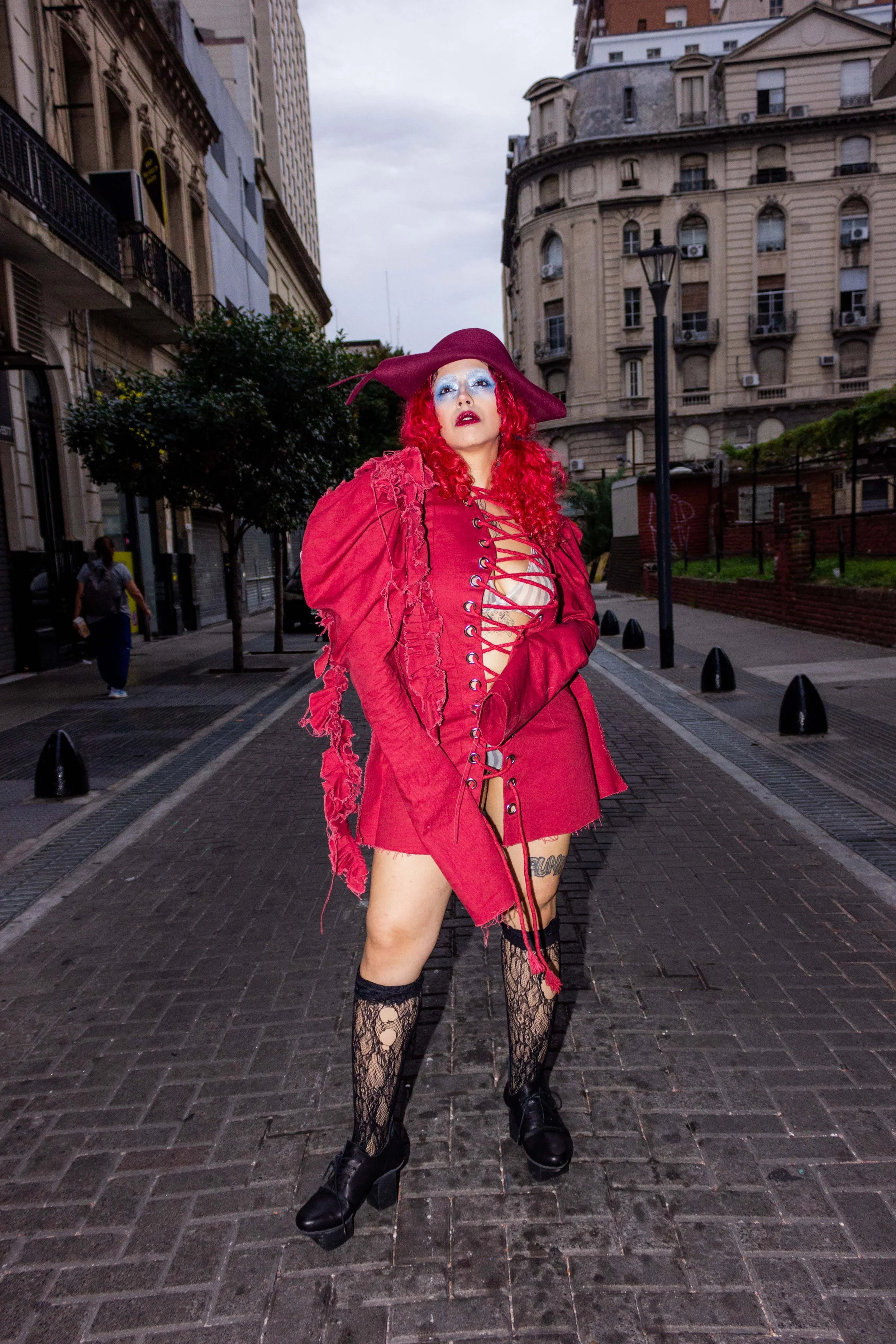
Credits
Human, styling, Hair and Makeup: Dornika @dornika.planet
Story: Levi Rodriguez @itslikethejeansPhoto: Fernando Bruno @picusgramCreative Director: Dornika @dornika.planet and Francisco Guglielmino @by.franciscoProducer: Francisco Guglielmino @by.franciscoDesigner: Velasco @velascodeautores via SINLADOS @sinladosSpecial thanks: Camila Rucci @looking4c4mil4Farsi Translation: Bahman Hanifehpoor @jinnbahman