
All the Boys Had to Meet
Human: VNCNT 2.0 | Uppsala, Sweden

Before Vincent could become whole, he had to learn how to embrace his many facets.
[ EN ]There are selves we inherit, selves we perform, selves we bury to survive. There are selves that only appear when the body feels safe enough to loosen its grip. Born in Sweden and shaped profoundly by eight years of immersion in the queer Berlin underground, Vincent is a musician, songwriter, and producer whose work carries the imprint of his extensive experience in drag, painting, performance, makeup, styling, and image-making. For him, identity has never belonged to one fixed portrait. It is closer to choreography: bodies entering and leaving the light, fragments of self crossing a stage, different boys appearing when the room is finally wide enough to hold them.Long before All the Boys in Me took shape as a forthcoming hyperpop EP, it existed as a private architecture. A way of naming what had been split apart. A way of making space for the skater boy, the emo boy, the angelic boy, the cry boy, the lover boy, and the boy Vincent is in pursuit of being: fully free, fully seen. “I wanted to give all of the boys I feel like I have inside of me…the space to coexist at the same time,” Vincent says. “I’ve never given them the space to do that before.”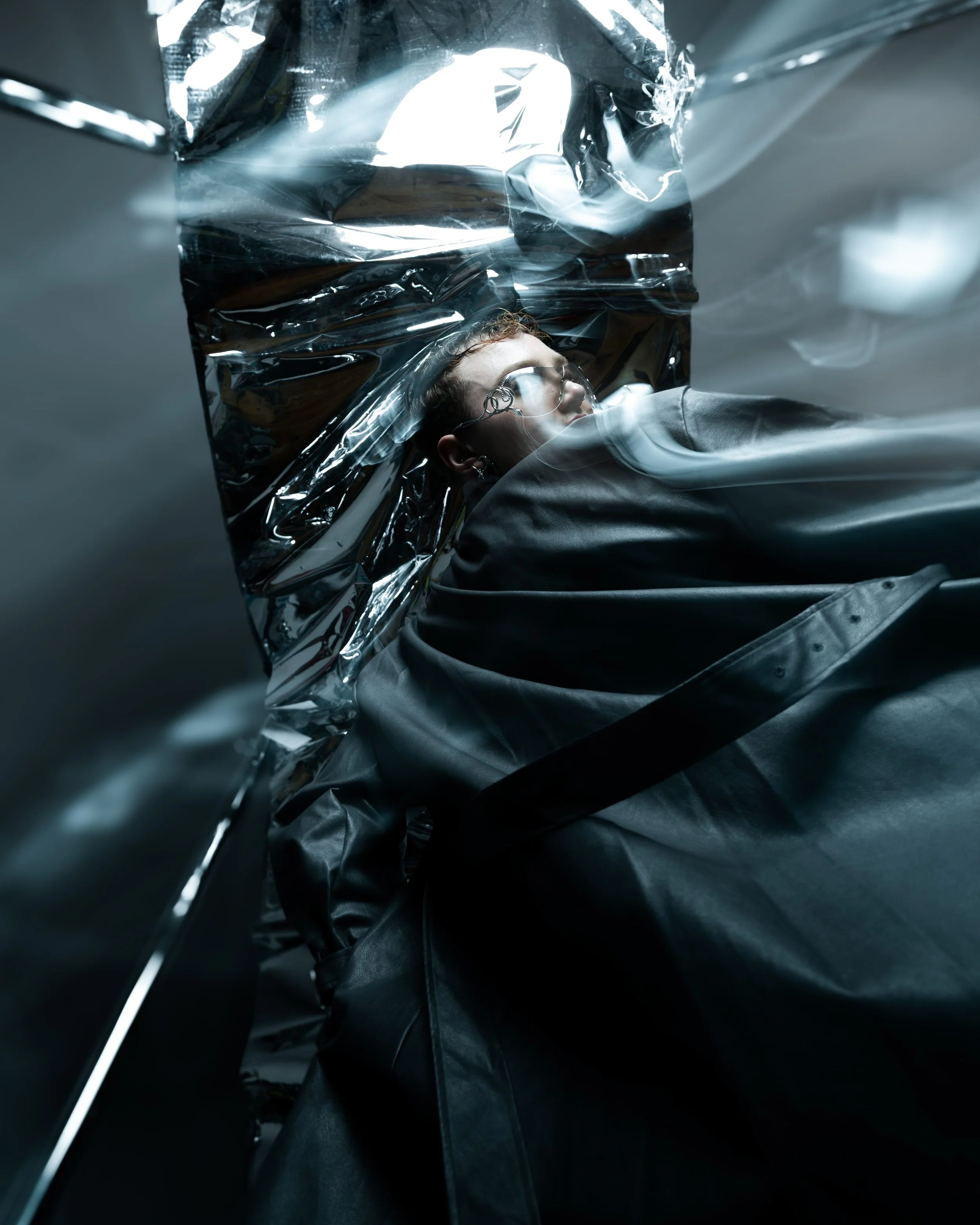
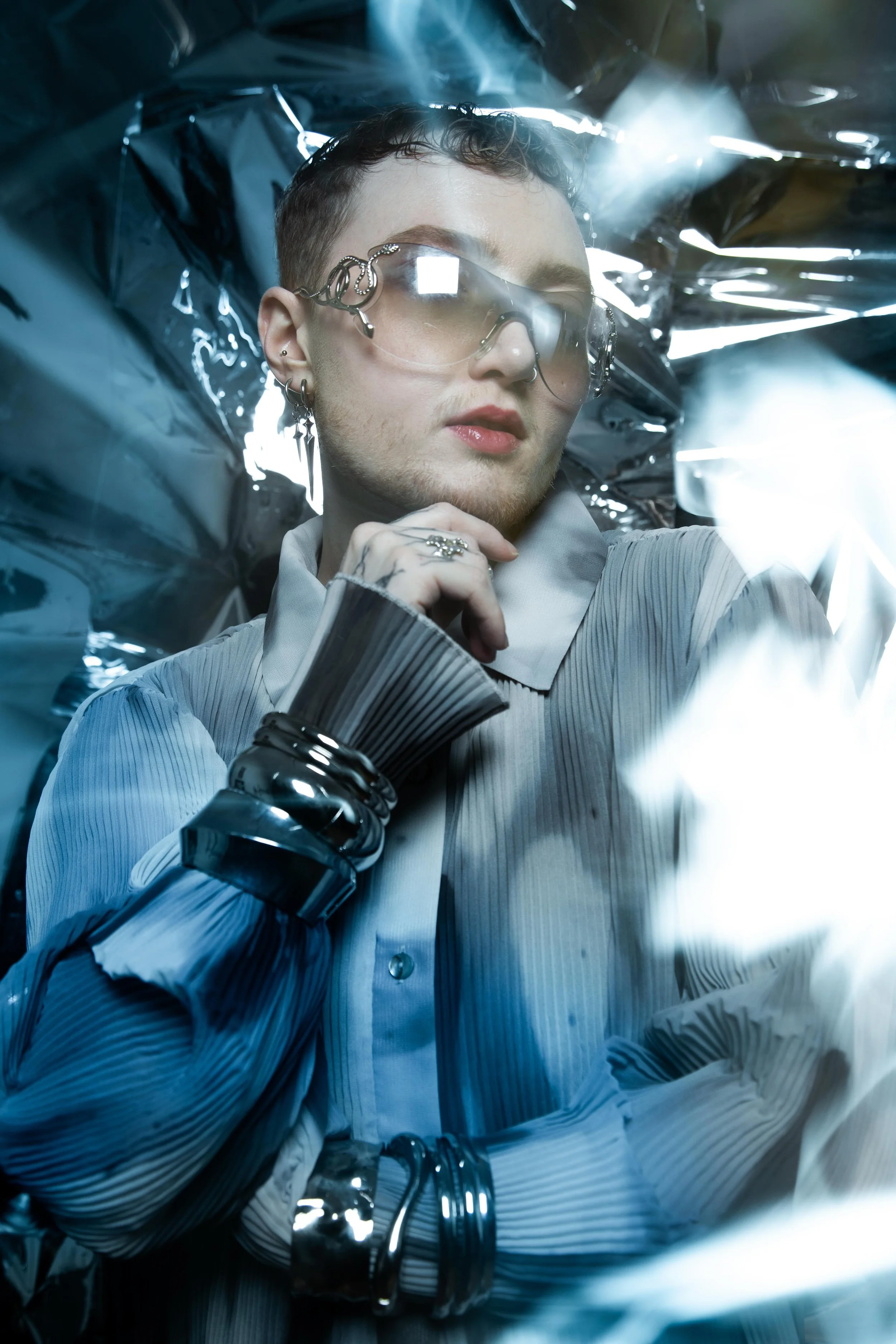
Each boy carries a different texture of memory. Each asks for a different language. Some arrive through sound. Some through costume. Some through the blur of a camera, the shine of metal, the softness of paint. Together, they form the vocabulary of an artist who has spent his life turning fragmentation into form. “I felt very fragmented and shattered,” he says. “I make art to heal myself, and that’s why it was never optional.”That language began early. Growing up in Uppsala, Vincent did not know transness was possible, let alone transmasculinity. What he did know was performance: how to become what was expected, how to polish the surface, how to play the perfect girl, the perfect student, the person other people could understand. Later, he would recognize the irony with a kind of dark clarity: “I realized later that I was basically a drag queen my whole life.” Before drag became liberation, femininity had been a costume he did not know he was wearing. '“I make art to heal myself, and that's why it was never optional.”
But performance also offered another inheritance. From the ages of eight to eighteen, Vincent toured with the circus, surrounded by people who made strangeness feel sacred instead of shameful. Before he had the vocabulary for queer family, he had the ring, the stage, the choreography, the costumes, the makeup, the physical discipline of learning how a body can become an image and an image can become a world. “All the queer people I knew in Sweden were from the circus,” he says. “You were celebrated for being different, for being unique, for being weird.” The circus did not give him one identity. It gave him proof that multiplicity could be spectacular.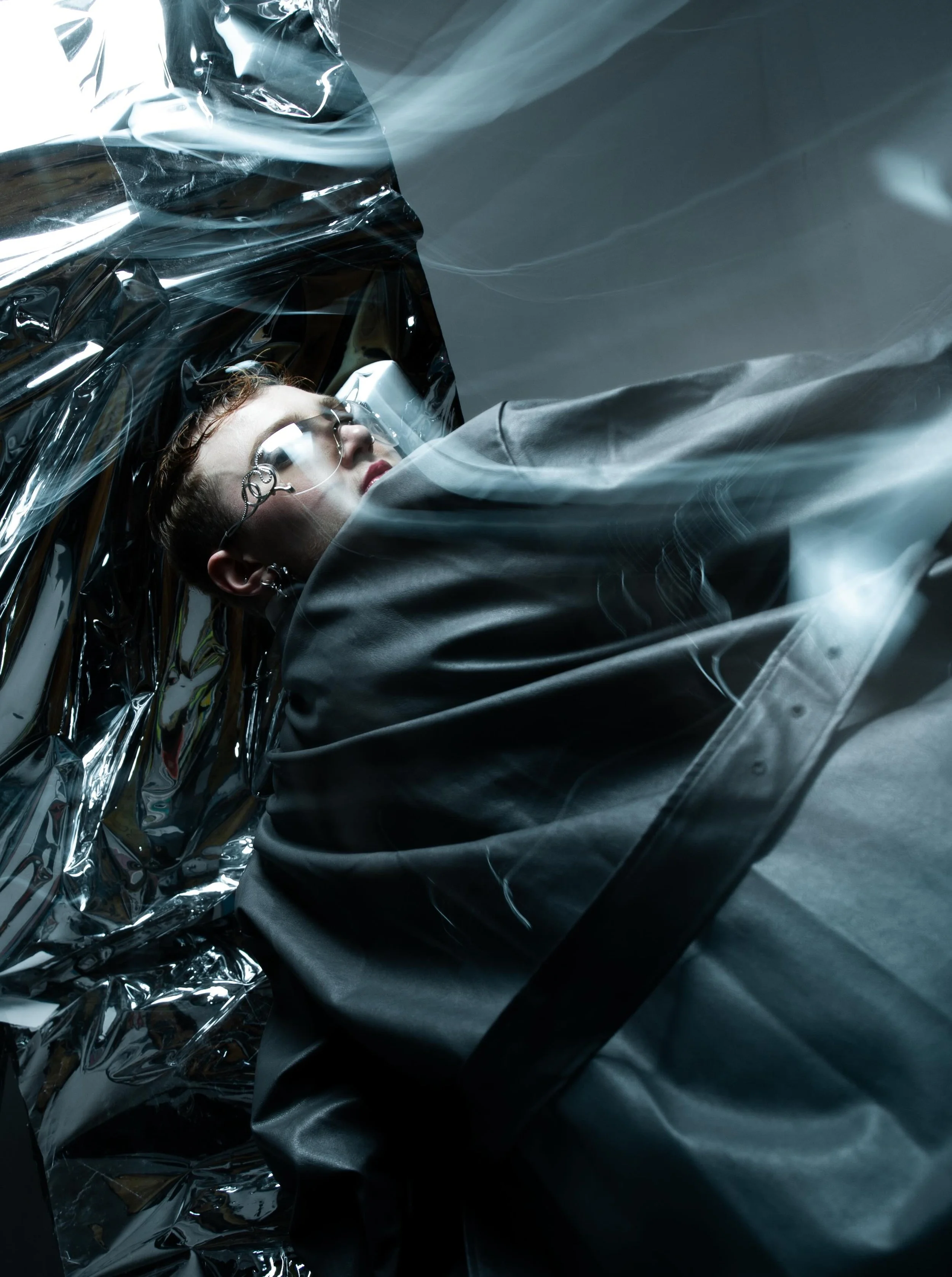
In the summer of 2025, that lifelong language became physical. Inside NIRGENDWO, Vincent arranged painted variations of himself face to face. Each work held a different version: a boy from before, a boy from now, a boy still waiting somewhere in the future. The room became a gathering of selves that had never been allowed to arrive all at once. With fragments of the self, he created the conditions for those boys to finally encounter one another — “because I wanted them to meet for the first time,” he says. Within that same room, he performed an early version of the full EP live, letting the paintings, the music, and the boys inside them witness one another in real time. “I didn’t feel safe to have all of the boys come together in one moment,” Vincent says. But when they did, something opened. “I felt so seen and more whole than I’ve ever felt before.”"I felt so seen and more whole than I've ever felt before."
All the Boys in Me carries that same act of reunion beyond the gallery walls. Across its songs, Vincent gives form to selves that many queer and trans people know intimately: the versions we outgrow and remember fondly, the ones we mourn and integrate deeply, and the ones we once hid and now celebrate proudly. It is his story, unmistakably, but it does not end with him. In making room for every boy inside himself, Vincent offers listeners in the trans community and beyond a map for facing their own hidden selves with less fear. The sound of every facet of self finally being asked to come together and meet.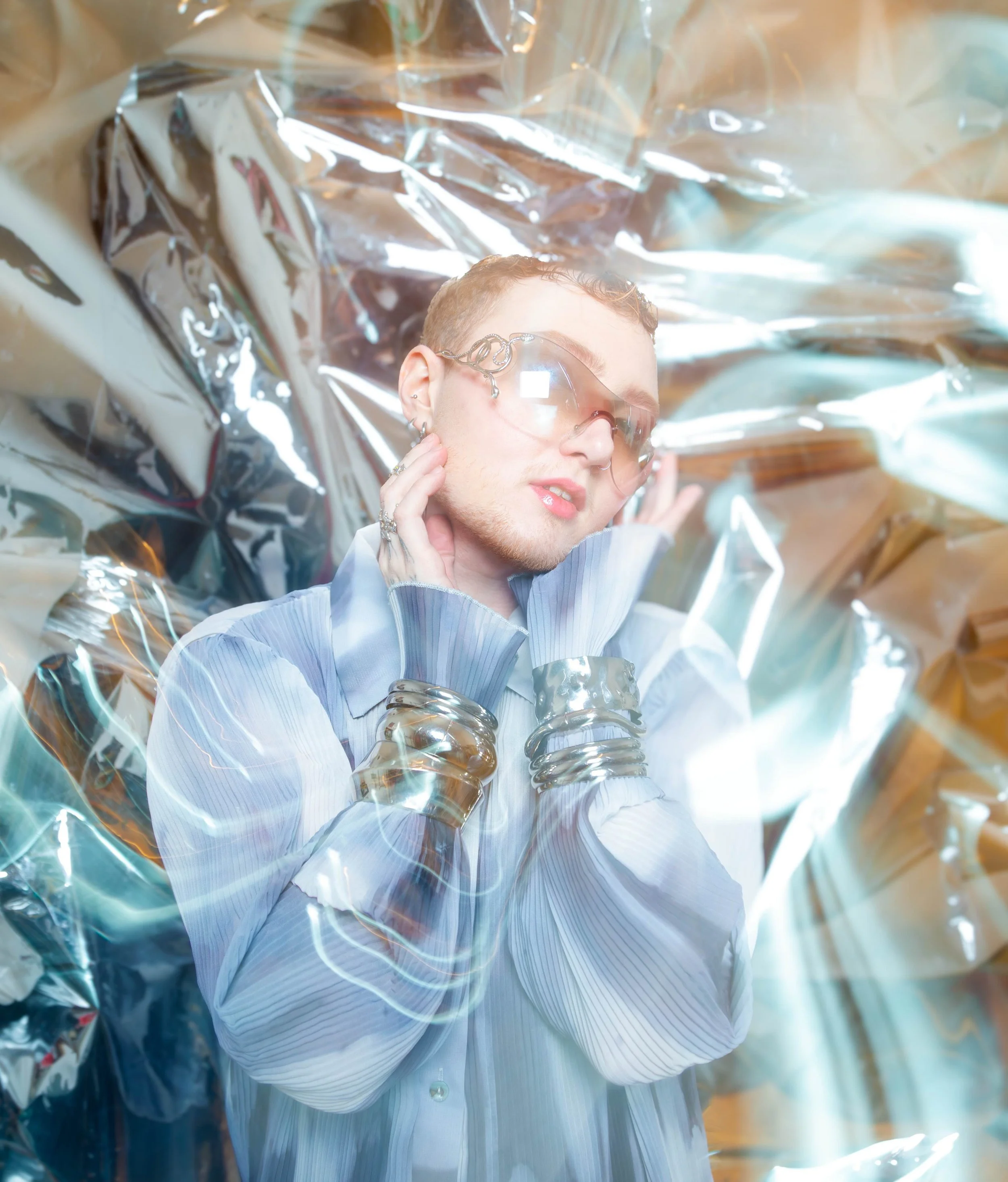
Innan Vincent kunde bli hel, behövde han lära sig att omfamna alla sina sidor.
[ SV ]Det finns jag vi ärver, jag vi spelar, jag vi begraver för att överleva. Det finns jag som bara kan träda fram när kroppen känner sig trygg nog att släppa taget. Född i Sverige och formad av sina åtta år totalt absorberad i Berlins queer scen, Vincent är en musiker, låtskrivare och producent vars verk bär avtryck av hans erfarenhet av drag, måleri, uppträdanden, smink, styling och bildskapande. För honom har identitet aldrig tillhört ett fast porträtt. Det är mer som en koreografi: kroppar som kliver in och ur ljuset, fragment av jaget som korsar en scen, olika pojkar som visar sig när rummet äntligen är tillräckligt stort att omfatta dem.Långt innan All the Boys in Me tog formen av en hyperpop EP, existerade den som en privat egendom. Det var ett sätt att benämna det som hade splittrats. Ett sätt att ge plats för skejtaren, emot, ängeln, älskaren, den sentimentala pojken samt personen Vincent strävar efter att bli: helt fri, helt sedd. ”Jag ville ge alla pojkar som jag kände att jag hade inom mig… platsen att existera samtidigt,” säger Vincent. ”Jag har aldrig tillåtit dem att göra det innan.”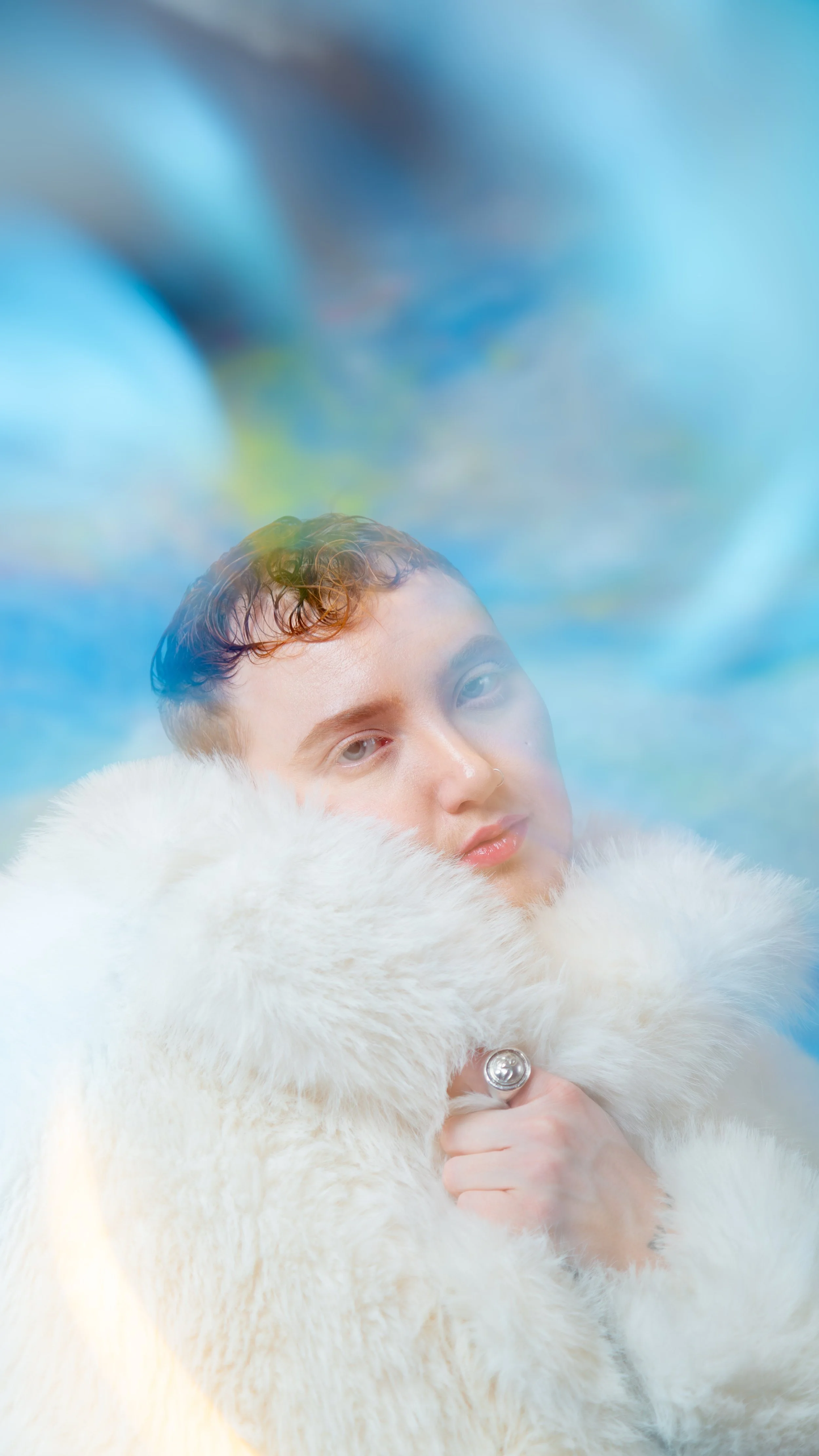
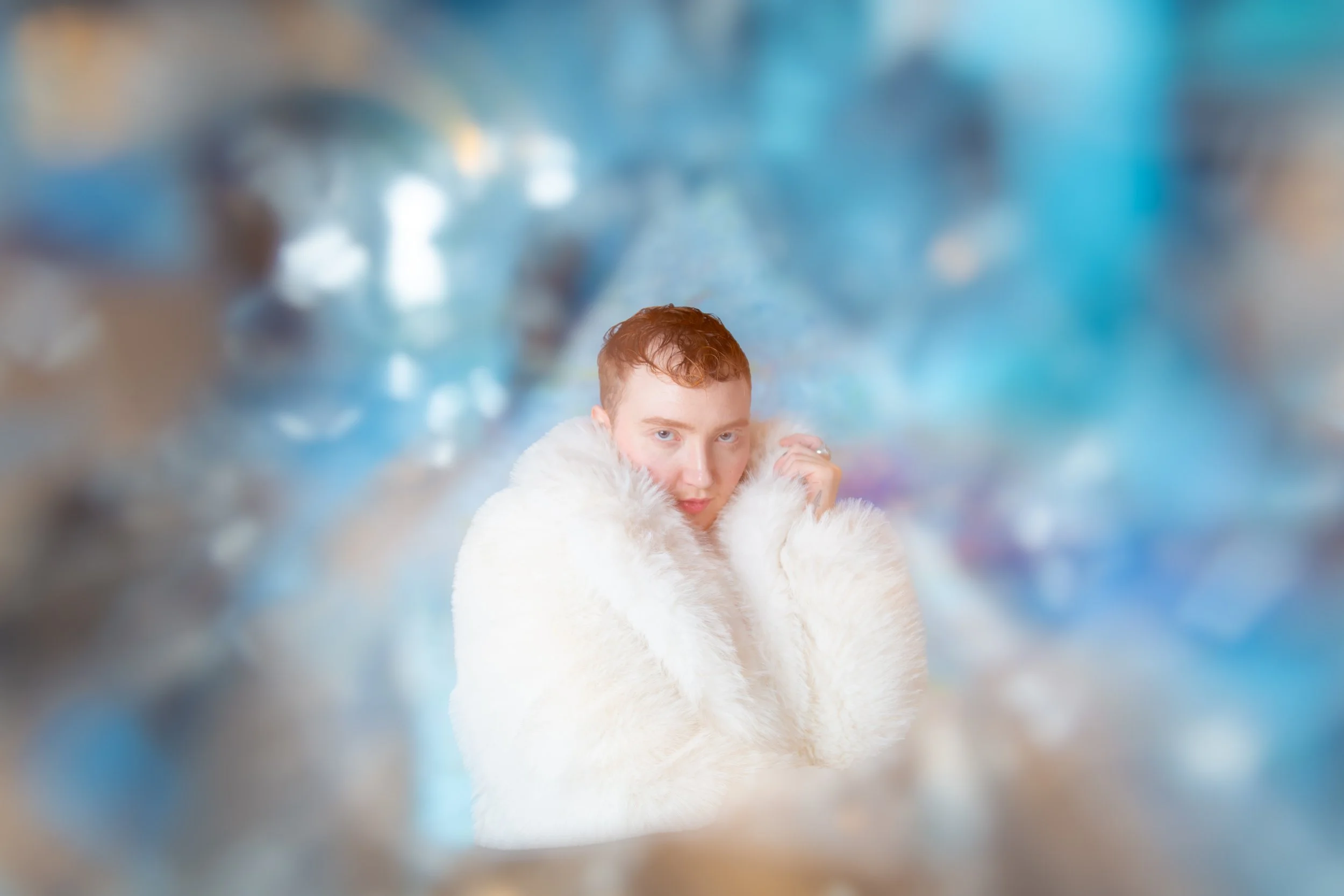
Varje pojke bär på specifika minnen. Var och en har sitt unika språk. Vissa visar sig via ljud. Andra via kostymer. En del framträder i en kameras oskarpa dimma, i skinande metall, i färgens mildhet. Tillsammans bildar de ett vokabulär av en konstnär som ägnat sitt liv åt att förvandla sin fragmentering till form. ”Jag kände mig extremt fragmenterad och splittrad,” säger han. ”Jag gör konst för att hela mig själv, så det var aldrig något jag kunde välja bort.”Det uttrycket började tidigt. Vincent växte upp i Uppsala, där det fanns en brist på transförebilder, han visste inte att det var möjligt att vara transman. Något han däremot var välbekant med var att uppträda: hur man kan bli den som folk förväntar sig, hur man förfinar ens presentation, hur man spelar den perfekta tjejen, den perfekta studenten, personen andra kunde förstå. Med en humoristisk klarhet kunde han se ironin i det hela: "Jag kom på att jag i princip hade varit en dragqueen hela livet.” Innan drag ledde till frigörelse, hade femininitet varit en kostym han inte visste sig vara klädd i."Jag gör konst för att hela mig själv, så det var aldrig något jag kunde välja bort."
Men hans performativitet erbjöd en typ av rikedom. Från åldrarna åtta till arton, turnerade Vincent med en cirkus, omgiven av folk som fick egendomlighet att kännas helig istället för skamlig. Innan han hade orden för queerfamilj, hade han ringtrapetsen, scenen, koreografin, sminket, den fysiska disciplinen att lära sig hur en kropp kan skapa en bild, och en bild kan skapa en värld. ”Alla personer jag kände som var queer, var med i cirkusen” sa han. ”Folk tyckte om att man var annorlunda, unik och lite konstig.” Cirkusen förminskade inte honom till endast en identitet, den bevisade att mångfald kan vara spektakulärt. 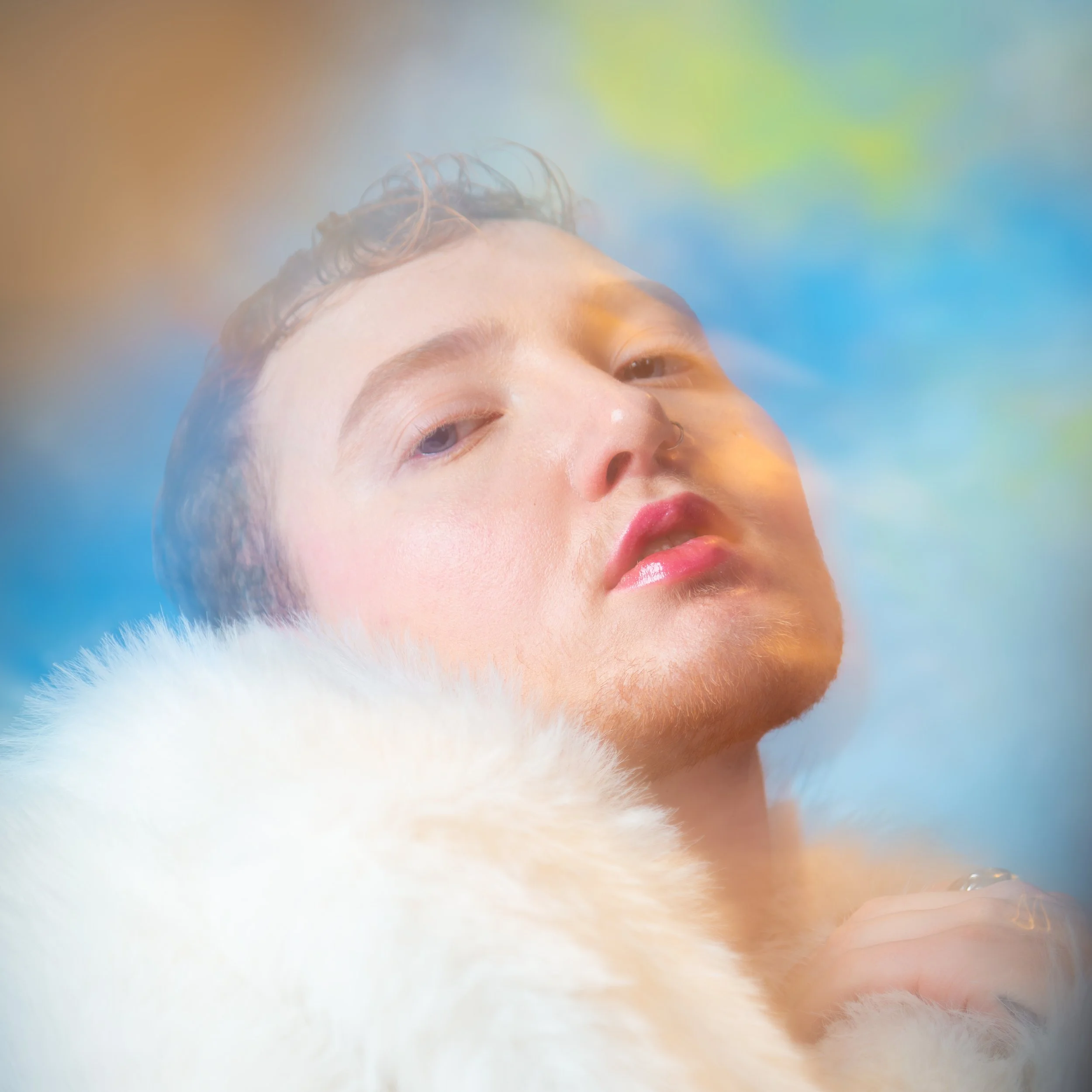
Under sommaren 2025 blev det livslånga språket fysiskt förevigat. I NIRGENDWO hängde Vincent självporträtt mittemot varandra. Varje verk gestaltade olika versioner av honom: en pojke från förr, en nutida man, och en framtida dröm. Rummet blev en samling av upplevda jag som aldrig har fått mötas förut. Med utställningen fragments of the self, skapade han ett förhållande för alla dessa versioner att äntligen få träffas — “jag ville sammanföra dem för första gången“. I samma rum uppträdde han även live med en tidig version av sin EP, han lät målningarna, musiken och alla jagen bevittna varandra. “Jag kände mig inte trygg nog att släppa fram dem tillsammans tidigare“ sa Vincent. Men när de äntligen fick tillåtelse att komma fram, öppnades något upp. “Jag kände mig så sedd och mer hel än jag någonsin känt mig förut.“"Jag kände mig så sedd och mer hel än jag någonsin känt mig förut."
All the Boys in Me expanderar återförening bortom galleriväggarna. Genom sina låtar ger Vincent plats till självuttryck som många queer och transpersoner känner intimt: versionerna vi växer ur men minns ömt, de vi sörjer och integrerar på djupet, och dem vi en gång gömde men nu framhäver stolt. Det handlar onekligen hans liv, men det slutar inte där. Genom att göra rum för alla versioner av sig själv, bjuder Vincent in lyssnarna att möta sig själv djupare, med mindre rädsla. Ljudet av varje jag får äntligen förenas och bli en.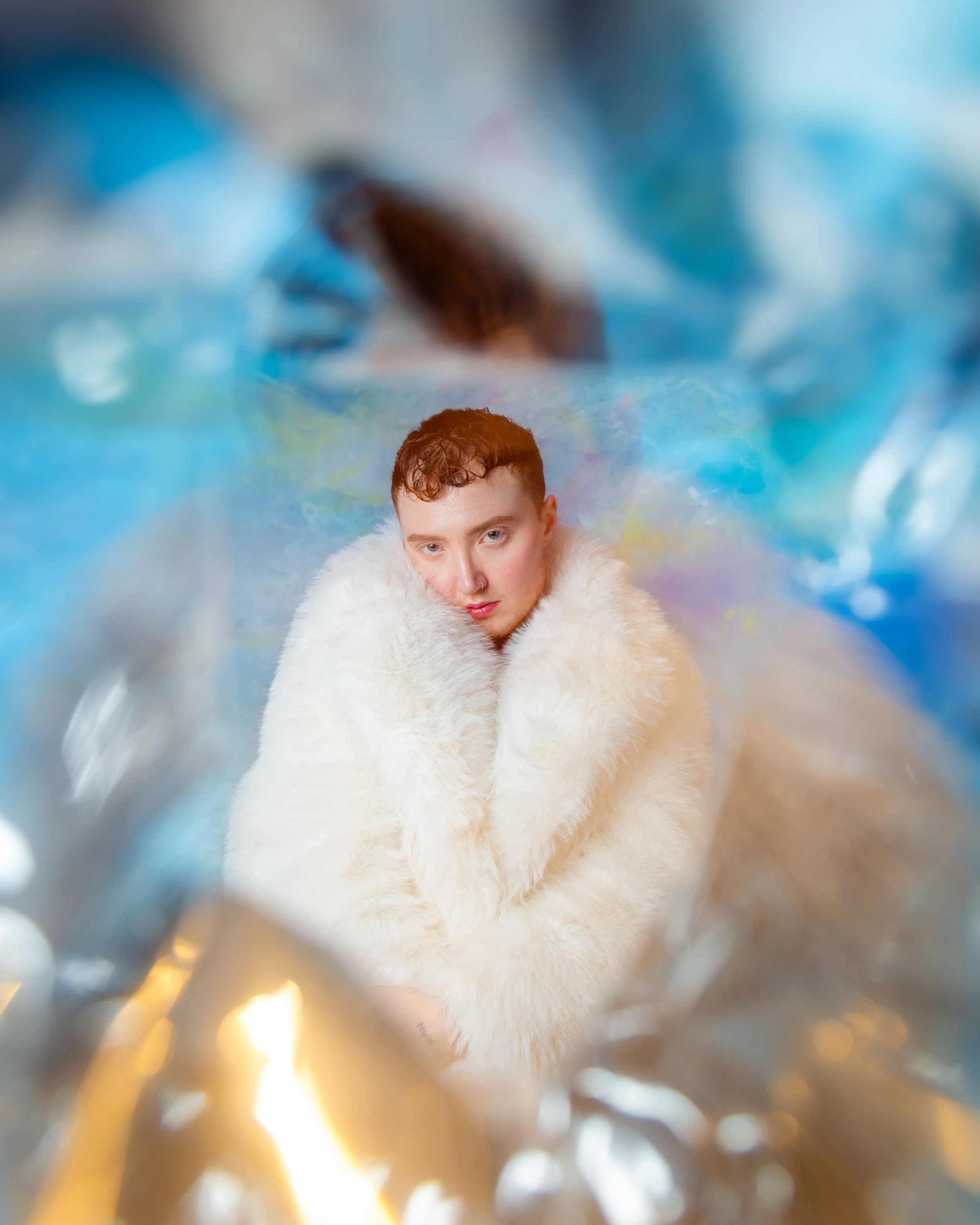
Credits
Story: Ankur Ahuja @ankur.amorHuman, Styling and Swedish translation: VNCNT 2.0 vncnt_2.0Photo and Editing: Matt Crome matt.crome